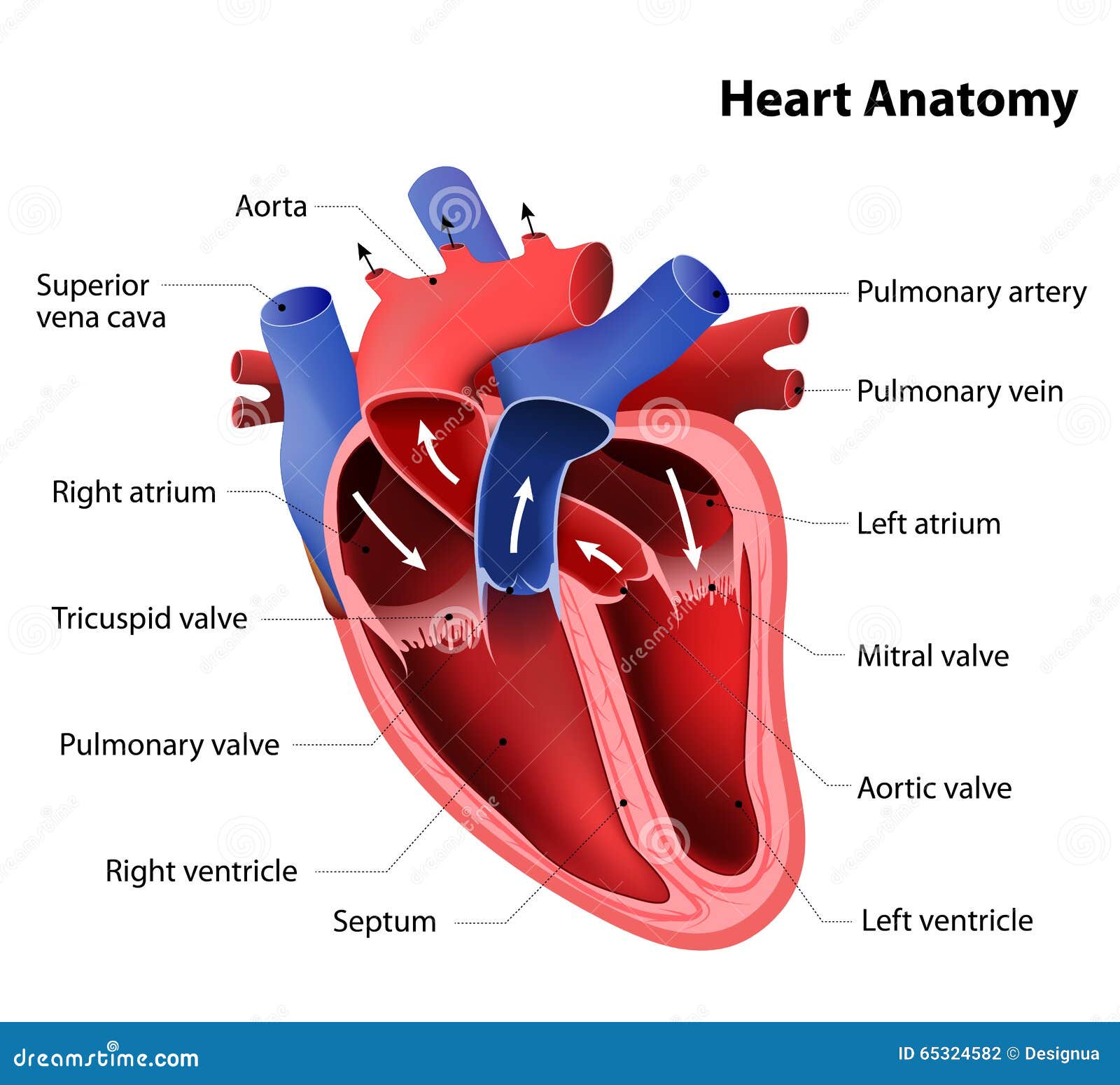
Heart extrasystoles are premature heartbeats that originate outside the sinoatrial node, the heart's natural pacemaker. When you feel a sudden skipped beat, a hard thud, or a brief fluttering sensation in your chest, you're often experiencing an extrasystole. These premature contractions can be startling, but in healthy individuals without structural heart disease, they're typically benign and require no aggressive treatment.
Understanding what triggers these extra beats and knowing when they warrant medical evaluation helps alleviate the anxiety that frequently accompanies them. While occasional premature beats are a normal part of human physiology, identifying patterns and lifestyle factors can help you manage symptoms effectively.
What Are Heart Extrasystoles?
Extrasystoles are early electrical impulses that disrupt the heart's normal rhythm. Instead of waiting for the sinoatrial node to signal the next contraction, an irritable focus in the heart fires prematurely. This causes the heart to contract earlier than expected.
Because the premature beat doesn't have time to fill with an adequate volume of blood, the subsequent normal beat is often stronger and more forceful. That forceful contraction is what you feel as a thud or a skipped beat in your chest.
Medical professionals divide extrasystoles into two primary categories based on where the premature electrical impulse originates:
- Premature Atrial Complexes (PACs): These originate in the upper chambers of the heart, known as the atria. They're extremely common, often occur in healthy people, and typically feel like a brief flutter or skipped beat.
- Premature Ventricular Complexes (PVCs): These originate in the lower chambers, or ventricles. They produce a more pronounced physical sensation, frequently described as a heavy thud, a flip-flop feeling, or a hard kick in the chest.
Common Triggers and Causes
In individuals with structurally normal hearts, extrasystoles often appear without an obvious underlying disease. Instead, specific lifestyle triggers and physiological stressors provoke the irritable heart tissue into firing early.
Dietary stimulants play a major role. Excessive consumption of caffeine from coffee, energy drinks, or tea can overstimulate the heart's electrical system. Similarly, alcohol intake and nicotine use are notorious triggers that increase the frequency of premature beats.
Beyond dietary habits, everyday stressors significantly impact heart rhythm. High levels of psychological stress, chronic fatigue, anxiety, and sleep deprivation elevate adrenaline levels, which makes heart muscle cells more electrically unstable. Electrolyte imbalances, particularly low levels of potassium or magnesium, also remove the stabilizing electrical charge from cardiac cells, prompting premature contractions.
When Are Extrasystoles Dangerous?
Most people experience isolated premature beats throughout the day without realizing it. When detected on routine monitoring, sporadic extrasystoles in a healthy heart rarely signal danger.
However, context matters significantly. If premature beats occur in rapid succession, appear in patterns like bigeminy (every other beat) or trigeminy (every third beat), or happen during physical exertion, they require thorough medical investigation.
Underlying conditions that increase the risk profile of extrasystoles include coronary artery disease, previous heart attacks, heart valve disorders such as mitral valve prolapse, and cardiomyopathy. If you experience premature beats alongside shortness of breath, chest pain, dizziness, or fainting, you should seek prompt evaluation from a healthcare provider or American Heart Association specialist.
How Doctors Diagnose Premature Beats
When you consult a physician about frequent palpitations, the diagnostic process begins with a detailed medical history and physical examination. Your doctor will listen to your heart sounds and check your pulse rhythm.
To confirm the diagnosis and classify the exact type of premature beats, physicians rely on several diagnostic tools:
- Electrocardiogram (ECG): A standard 12-lead ECG records the heart's electrical activity at rest. If extrasystoles occur during the test, the tracing captures their exact origin and morphology.
- Ambulatory Holter Monitoring: Because premature beats come and go, a standard ECG might miss them. Wearing a portable Holter monitor for 24 to 48 hours records every heartbeat during your normal daily activities and sleep.
- Event Monitors: For infrequent symptoms that happen only a few times a week or month, a patient-activated event monitor records heart activity when symptoms occur.
- Echocardiogram: This ultrasound imaging test assesses the structure of your heart muscle, valve function, and overall pumping efficiency to rule out structural heart disease.
Practical Management and Lifestyle Adjustments
Managing frequent extrasystoles often centers on modifying daily habits and addressing identifiable triggers. When structural heart disease is absent, lifestyle adjustments provide substantial relief.
Start by tracking your symptoms in a journal for two weeks, noting what you ate, your stress levels, and your caffeine intake when palpitations occur. This helps pinpoint personal triggers. Reducing or eliminating stimulants like heavy coffee and energy drinks often leads to an immediate drop in premature beat frequency.
Prioritizing consistent sleep hygiene and adopting active stress-management techniques—such as deep breathing exercises, mindfulness, or regular moderate physical activity—calms the autonomic nervous system. Furthermore, maintaining proper hydration and eating a balanced diet rich in potassium and magnesium supports healthy cardiac muscle function. You can explore evidence-based nutrition guidelines through resources like MedlinePlus.
When lifestyle modifications aren't enough, or when underlying heart conditions drive the arrhythmias, medical therapies become necessary. Doctors may prescribe beta-blockers to blunt the effects of adrenaline on the heart. In select cases with high PVC burdens that impair heart function, electrophysiologists may perform a catheter ablation to neutralize the specific tissue area causing the erratic signals.
Frequently Asked Questions
Can anxiety alone cause heart extrasystoles?
Yes. High anxiety triggers a release of stress hormones like adrenaline and cortisol, which increases heart rate and makes cardiac cells more prone to premature firing. Treating underlying anxiety often reduces the frequency of these palpitations.
Do premature beats mean I will develop heart disease?
Not necessarily. Millions of people with completely normal, healthy hearts experience occasional premature beats throughout their lives without ever developing chronic cardiovascular disease.
How many premature beats per day is considered normal?
Many healthy individuals have a small number of premature beats daily—often comprising less than one percent of their total daily heartbeats—frequently without even noticing them. A high burden, typically defined as more than ten to twenty percent of daily beats, requires closer monitoring by a cardiologist.
Should I stop exercising if I feel extra beats?
If your extrasystoles disappear during physical activity, they are usually benign. However, if exercise triggers new or worsening premature beats, or if they are accompanied by dizziness or chest pain, stop exercising and consult a physician immediately.