PVCs stand for premature ventricular contractions, extra heartbeats that begin in your lower heart chambers. These early beats disrupt your heart's normal rhythm, often creating a sensation of a skipped beat, a flip-flop, or a hard thump in your chest. While they're common and usually harmless in people with healthy hearts, understanding what causes them and when they signal a deeper issue matters for your peace of mind and long-term health.
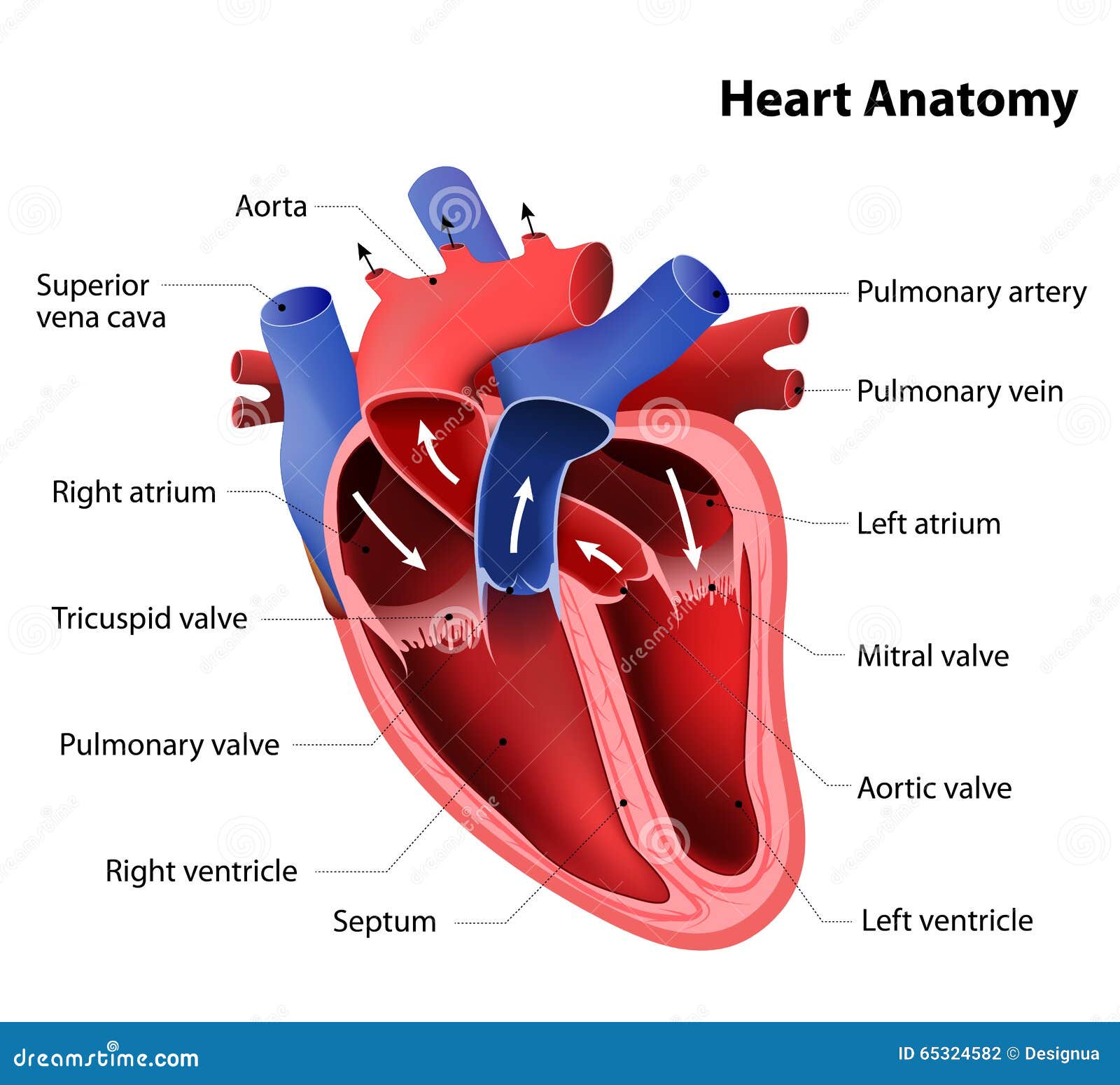
Your heart has four chambers: two upper atria and two lower ventricles. Normally, electrical signals start in the sinus node and travel down to coordinate a steady, synchronized pump. When a premature ventricular contraction happens, an electrical impulse fires prematurely from one of the ventricles instead. This creates an early contraction followed by a brief pause, which allows your heart to load up with extra blood. The next normal beat then pumps harder, making you feel that distinct thud.
Identifying Symptoms and Diagnostic Methods
Many people experience premature ventricular contractions without noticing them at all. When symptoms do appear, they vary widely from person to person.
Common physical sensations include:
- A sudden fluttering or flip-flop feeling in your chest
- Pounding or racing heartbeats
- A sensation that your heart skipped a beat
- Brief dizziness or lightheadedness, especially if the extra beats happen in rapid succession
- General fatigue if the frequency of ectopic beats is very high
Doctors diagnose premature ventricular contractions primarily through an electrocardiogram (ECG or EKG). Because these beats can be sporadic, a standard 12-lead ECG might miss them if they aren't happening during the brief test.
To capture infrequent episodes, physicians rely on ambulatory monitoring tools. A Holter monitor records your heart's electrical activity continuously for 24 to 48 hours. For symptoms that occur less frequently, an event monitor can be worn for weeks. These devices let doctors calculate your burden, which is the exact percentage of beats over a 24-hour period that are premature.
Common Triggers and Lifestyle Factors
Various everyday triggers can spark premature ventricular contractions, even in people who don't have underlying heart disease. Identifying your specific triggers helps you manage the frequency of these extra beats.
Stimulants rank among the most frequent culprits. High amounts of caffeine from coffee, energy drinks, or pre-workout supplements can overstimulate your heart's electrical system. Nicotine from cigarettes or vapes acts similarly, increasing heart rate and irritability in the cardiac tissue.
Other significant triggers include:
- Emotional stress, anxiety, and panic attacks
- Intense physical exertion or fatigue
- Electrolyte imbalances, particularly low potassium or magnesium levels
- Lack of sleep and chronic sleep deprivation
- Alcohol consumption, especially binge drinking
- Certain cold medications containing pseudoephedrine
When PVCs Require Medical Attention
Most isolated premature ventricular contractions are benign and don't require treatment. However, certain warning signs mean you need a prompt evaluation by a cardiologist or electrophysiologist.
You should seek medical care if your extra beats are accompanied by:
- Severe shortness of breath
- Chest pain, pressure, or tightness
- Fainting or severe lightheadedness
- A sudden, rapid succession of extra beats that feels like sustained racing
If testing reveals a high burden—often defined as more than ten to twenty percent of all daily heartbeats—it can weaken the heart muscle over time, leading to a condition called arrhythmia-induced cardiomyopathy. In these cases, doctors monitor heart function closely with echocardiograms.
Treatment and Management Strategies
Managing frequent or bothersome premature ventricular contractions depends entirely on their underlying cause and frequency. For most healthy individuals, lifestyle adjustments solve the problem.
Cutting back on caffeine, quitting smoking, and finding healthy ways to manage daily stress go a long way. Ensuring you stay hydrated and maintain balanced electrolytes through diet or supplementation also helps stabilize heart cell membranes.
When lifestyle changes aren't enough or symptoms severely impact your quality of life, medical therapies come into play. Physicians may prescribe beta-blockers or calcium channel blockers to calm the heart's electrical activity. In cases where medications fail or the burden is dangerously high, an electrophysiologist might recommend a catheter ablation. This procedure uses heat or cold energy to scar the tiny area of heart tissue triggering the rogue electrical impulses.
Frequently Asked Questions
Can anxiety alone cause premature ventricular contractions?
Yes. High stress and anxiety flood your body with adrenaline and cortisol, which can trigger extra heartbeats. Addressing the root anxiety through relaxation techniques, therapy, or lifestyle changes often reduces their frequency.
Are premature ventricular contractions dangerous during exercise?
In a healthy heart, isolated premature ventricular contractions that disappear as your heart rate increases during exercise are generally benign. However, new or worsening extra beats during physical exertion always warrant a medical checkup to rule out underlying structural heart disease.
Can dehydration lead to extra heartbeats?
Dehydration alters your electrolyte balance, specifically reducing potassium and sodium levels. Because these minerals govern electrical conduction in heart cells, imbalances frequently provoke premature beats.
Do premature ventricular contractions go away on their own?
Many people experience temporary flare-ups during periods of stress, poor sleep, or high caffeine intake that resolve entirely once those lifestyle factors normalize. Chronic cases, however, may require ongoing monitoring or management.