When you review your clinical notes or hospital discharge summaries, seeing medical shorthand can feel like deciphering a foreign language. One of the most frequent notations you'll encounter during a routine physical exam is heart RRR. Far from indicating a dangerous heart condition, this acronym stands for regular rate and rhythm. It is a shorthand clinical finding that tells you your heart is beating at a normal speed with a steady, predictable pattern at the time of examination.
Understanding what this means helps demystify your medical chart, especially if you've recently felt a sudden racing pulse or heart palpitations and wondered how it connects to what your doctor heard. While a racing pulse can be alarming, a clinician noting regular rate and rhythm means the fundamental timing of your cardiac cycle is functioning in an orderly fashion.
What Does RRR Stand For in Medical Notes?
In clinical documentation, RRR is a standard charting shorthand used by physicians, physician assistants, and nurses. When a practitioner places a stethoscope against your chest, they aren't just listening for random sounds; they are evaluating specific mechanical properties of your cardiovascular system.
The abbreviation breaks down into two core clinical concepts:
- Rate: The speed at which your heart pumps, typically falling between 60 and 100 beats per minute for a healthy adult at rest.
- Rhythm: The consistency of the spacing between individual heartbeats. A healthy heart ticks like a metronome, where every interval between beats matches the last.
When these two elements match standard physiological baselines during auscultation (listening with a stethoscope), the practitioner documents heart RRR. It often appears alongside other standard physical findings, such as notes on normal heart sounds (like S1 and S2) or the absence of abnormal murmurs, rubs, or gallops.
The Physiology Behind a Normal Heart Rhythm
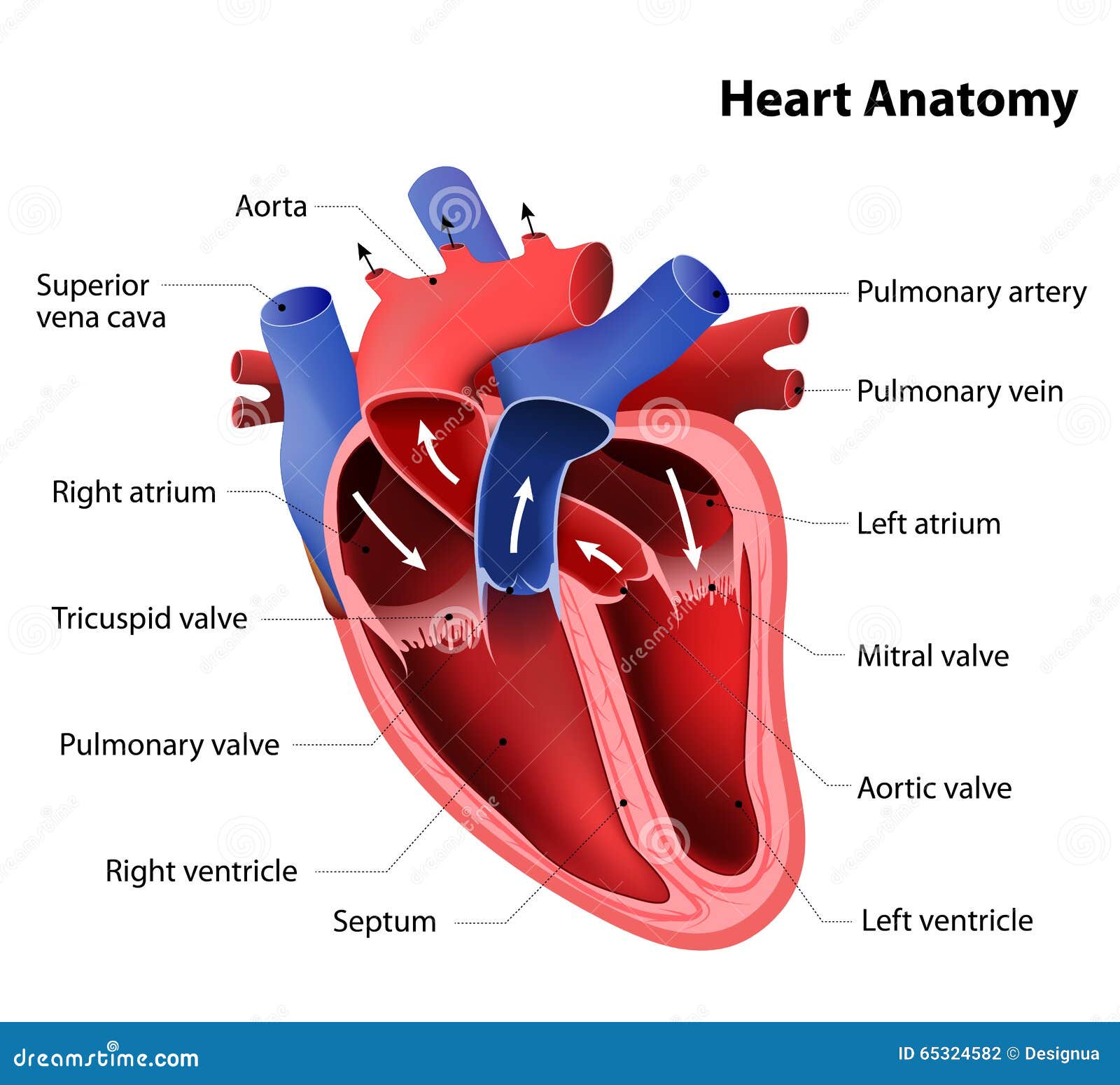
To understand why doctors track rhythm so closely, it helps to look at the electrical system driving your heart. Every single beat originates from a specialized cluster of cells called the sinoatrial (SA) node, located in the right atrium. This natural pacemaker fires electrical impulses that ripple through the upper chambers, travel down to the ventricles, and force the muscle to squeeze in a synchronized rhythm.
When this electrical pathway operates without interference, the mechanical result is a steady heartbeat. Clinical guidelines from the American Heart Association outline how this coordinated electrical firing maintains cardiac output, ensuring oxygen-rich blood efficiently reaches your brain and muscles. When you experience a racing pulse, it doesn't automatically mean your rhythm is broken. For instance, during exercise or acute stress, your SA node fires more rapidly to supply extra oxygen, resulting in a fast pulse that is still entirely regular—a state clinicians call sinus tachycardia.
RRR Versus Other Common Charting Abbreviations
Medical charts use precise acronyms to differentiate between a physical exam observation and an instrument-confirmed diagnosis. Knowing how RRR compares to other terms prevents unnecessary confusion:
- NSR (Normal Sinus Rhythm): While RRR is what a clinician hears through a stethoscope, NSR is an electrical confirmation usually verified by an electrocardiogram (ECG or EKG). Both indicate a healthy pattern, but they rely on different diagnostic methods.
- M/R/G (Murmurs, Rubs, Gallops): These denote abnormal acoustic findings. A murmur indicates turbulent blood flow across a valve, while rubs and gallops can point to inflammation or strain.
- Irregularly Irregular Rhythm: This term describes a chaotic beat pattern with zero predictable intervals, most commonly associated with atrial fibrillation (AFib).
Why You Can Have RRR and Still Feel a Racing Pulse
A common point of confusion occurs when someone visits a clinic because their heart felt like it was racing, only to receive a chart note stating heart: RRR. This happens for a few distinct reasons:
- Intermittent Symptoms: Heart palpitations often come and go. If your heart rate normalized by the time the physician entered the exam room, your rhythm at that specific moment was completely steady.
- Sinus Tachycardia: Your heart can beat at 120 beats per minute while maintaining a perfectly regular rhythm. Anxiety, caffeine intake, dehydration, or physical exertion can drive up your rate while leaving the underlying electrical pacing organized.
- Limitations of a Stethoscope: A physical exam provides a snapshot in time. It cannot capture transient electrical anomalies that only last for a few seconds or occur under specific physical stress.
If your symptoms are intermittent, your provider may suggest wearing a Holter monitor or an ambulatory event monitor to track your rhythm over 24 to 48 hours. Organizations like the National Heart, Lung, and Blood Institute provide further insights into how continuous monitoring helps capture erratic heart behaviors that standard physical exams miss.
Common Triggers for Sudden Pulse Changes
Even when your heart maintains a regular rhythm, various lifestyle and physiological triggers can cause sudden spikes in your pulse rate. Recognizing these factors helps you manage episodes of perceived racing heartbeats:
- High Stimulant Intake: Consuming large amounts of caffeine, nicotine, or over-the-counter decongestants directly stimulates the sympathetic nervous system, accelerating the heart rate.
- Acute Dehydration: When blood volume drops due to fluid loss, your heart must pump significantly faster to maintain adequate blood pressure and tissue oxygenation.
- Electrolyte Imbalances: Deficiencies in essential minerals like potassium or magnesium can alter the electrical conductivity of cardiac muscle cells, sparking palpitations or rapid beats.
- Stress and Adrenaline: Sudden emotional stress triggers a surge of cortisol and adrenaline, shifting your body into a temporary fight-or-flight response that elevates your pulse.
Frequently Asked Questions
Is RRR a formal medical diagnosis?
No. RRR is not a diagnosis. It is a purely descriptive clinical finding noted during a physical examination to record the sound and timing of your heartbeat at that exact moment.
Can I have a regular rate and rhythm and still have heart disease?
Yes. Many chronic cardiovascular conditions—such as early-stage coronary artery disease or certain valve abnormalities—do not immediately alter the basic sound, rate, or rhythm of the heart during a quiet physical exam.
Does an RRR finding mean I never need an ECG?
Not necessarily. If you report concerning symptoms like fainting, unexplained shortness of breath, or chest discomfort, your physician may still order an ECG or specialized blood tests to evaluate your heart's electrical and structural health in greater detail.
What should I do if my pulse feels fast even if my doctor noted RRR?
Keep a symptom log tracking when the racing pulse occurs, how long it lasts, and what you were consuming or doing at the time. Share this journal with your healthcare provider so they can determine if extended heart rhythm monitoring is necessary.