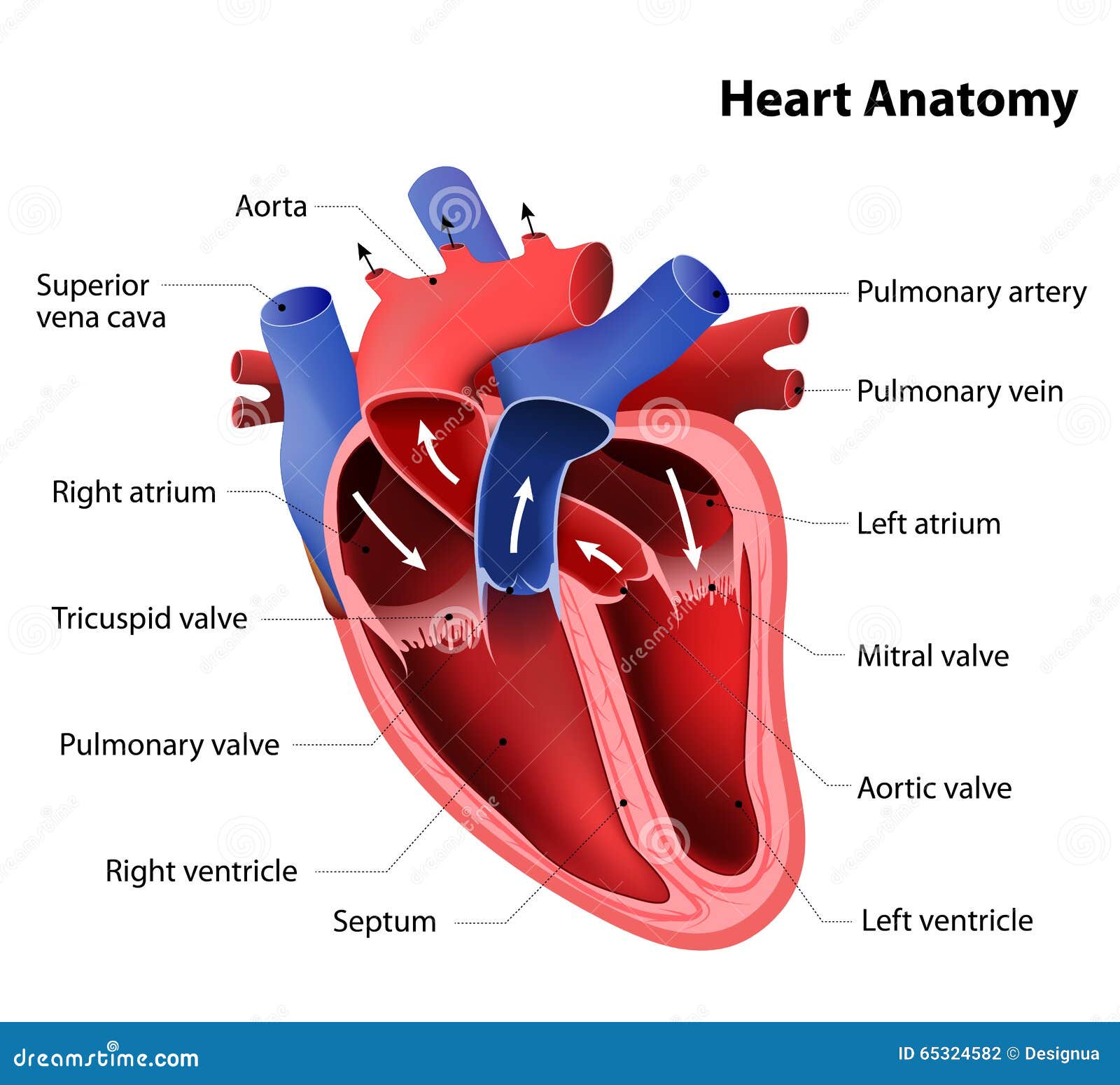
An arritmia cardiaca happens when the electrical impulses that coordinate your heartbeats don't work properly, causing your heart to beat too fast, too slow, or irregularly. While many people experience harmless skipped beats or fluttering sensations, others signal deeper cardiovascular dysfunction requiring prompt medical evaluation. Understanding how these rhythm disorders develop helps you recognize warning signs early and seek appropriate care before complications arise.
The heart relies on a precise internal electrical system to pump blood effectively through its four chambers. When scar tissue, electrolyte imbalances, or structural heart disease disrupts these electrical pathways, normal rhythm fails. Correct identification of the specific rhythm disorder allows medical providers to target therapy accurately, reduce stroke risk, and restore normal cardiac efficiency.
Classifying Types of Arritmia Cardiaca
Medical professionals group heart rhythm disorders based on where they originate and whether they accelerate or slow down the resting heart rate.
Tachycardia (Fast Heart Rhythms)
When resting heart rates exceed 100 beats per minute, it's classified as tachycardia. Common forms include:
- Atrial Fibrillation (AFib): Chaotic electrical signals in the upper chambers cause a rapid, irregular heartbeat. AFib significantly increases stroke risk if left unmanaged.
- Atrial Flutter: Similar to AFib, but electrical impulses follow a more organized and predictable circuit.
- Supraventricular Tachycardia (SVT): Rapid heartbeats originating above the lower chambers that start and stop abruptly.
- Ventricular Tachycardia (VT): Fast electrical signals starting in the lower chambers that prevent the heart from filling properly. This can become a medical emergency.
- Ventricular Fibrillation (VFib): A life-threatening emergency where the lower chambers quiver instead of pumping blood, requiring immediate CPR and defibrillation.
Bradycardia (Slow Heart Rhythms)
When resting rates drop below 60 beats per minute, it's classified as bradycardia. While athletic individuals often have slow, efficient resting heart rates without trouble, pathological bradycardia occurs when the heart fails to pump enough oxygenated blood. Conditions like sick sinus syndrome or heart conduction blocks disrupt signal transmission from the natural pacemaker.
Identifying Common Causes and Risk Factors
Arrhythmias rarely develop in a vacuum. They typically stem from underlying changes in heart tissue or external systemic triggers.
Structural damage from coronary artery disease, high blood pressure, previous heart attacks, or heart valve abnormalities frequently alters electrical conduction pathways. Beyond structural heart disease, several external and metabolic factors provoke irregular beats:
- Electrolyte Imbalances: Abnormal levels of potassium, magnesium, or calcium disrupt the cellular electrical charges necessary for regular contractions.
- Substances and Stimulants: Excessive caffeine, alcohol consumption, nicotine, illegal stimulants, and certain over-the-counter cold medications irritate cardiac tissue.
- Thyroid Disorders: Both hyperthyroidism and hypothyroidism alter metabolic rates and cardiac sensitivity to stress hormones.
- Sleep Apnea: Repeated interruptions in breathing place sudden stress on the cardiovascular system, raising arrhythmia risk over time.
Diagnostic Methods Used by Cardiologists
To diagnose an arritmia cardiaca, physicians must capture the irregular rhythm and pinpoint its anatomical source. The diagnostic evaluation typically follows a structured path:
- Clinical Assessment: Reviewing personal symptoms, medical history, family history of heart disease, and performing a physical exam to check pulse and blood pressure.
- Electrocardiogram (ECG/EKG): A quick test recording the heart's electrical activity via sticky sensors placed on the chest.
- Ambulatory Monitors: Wearing a Holter monitor for 24 to 48 hours or an event recorder for up to 30 days to capture intermittent arrhythmias during daily routines.
- Echocardiogram: An ultrasound imaging test that evaluates heart valve structure, pumping strength, and overall muscle health.
- Electrophysiology Study (EPS): A specialized invasive test where a cardiologist threads catheters into the heart to map electrical pathways directly.
You can learn more about diagnostic testing standards through the American Heart Association.
Modern Treatment and Management Options
Treatment strategies vary based on the specific type, frequency, and severity of the rhythm disorder. Asymptomatic or harmless premature beats often require no intervention beyond lifestyle adjustments, whereas symptomatic or high-risk arrhythmias demand active management.
Lifestyle Modifications
Managing everyday triggers forms the foundation of long-term control. Reducing alcohol and caffeine intake, quitting smoking, maintaining a stable weight, treating sleep apnea, and managing blood pressure directly reduce cardiac irritability.
Medications
Physicians frequently prescribe antiarrhythmic drugs to maintain normal sinus rhythm or rate-control medications like beta-blockers and calcium channel blockers to keep heart rates within a safe range. For individuals with atrial fibrillation, anticoagulant medications are often prescribed to prevent blood clots and reduce stroke risk.
Medical Procedures and Devices
When medications prove insufficient, targeted procedures offer reliable relief:
- Catheter Ablation: Using radiofrequency energy or cryotherapy to scar the tiny area of heart tissue responsible for triggering abnormal electrical signals.
- Cardioversion: Delivering a synchronized electrical shock or medication dose to reset the heart's normal rhythm.
- Pacemakers: Small implanted devices that monitor heart activity and deliver mild electrical pulses when rates drop too low.
- Implantable Cardioverter-Defibrillators (ICDs): Devices that continuously monitor for dangerous ventricular arrhythmias and deliver life-saving shocks when necessary.
For comprehensive guidelines on cardiovascular device therapies, consult resources provided by the National Institutes of Health.
Frequently Asked Questions
Can stress cause an arritmia cardiaca?
Yes. Acute emotional stress or chronic anxiety floods the body with adrenaline and cortisol, which accelerate heart rates and can trigger premature beats or sustained tachycardias in susceptible individuals.
Are all heart arrhythmias dangerous?
No. Many individuals experience benign premature atrial or ventricular contractions that feel like a skipped beat but carry no health risk. However, only a physician can distinguish harmless palpitations from dangerous conditions through diagnostic testing like an ECG.
What should I do if I feel my heart racing suddenly?
Sit down, stay calm, and try slow, deep breathing. If your rapid heart rate is accompanied by chest pain, severe shortness of breath, dizziness, or fainting, call emergency services immediately.
Can lifestyle changes alone cure an arrhythmia?
For minor rhythm disorders linked directly to caffeine, alcohol, or lack of sleep, lifestyle modifications often eliminate symptoms entirely. Structural or genetic arrhythmias typically require ongoing medical therapy or procedural intervention alongside healthy habits.