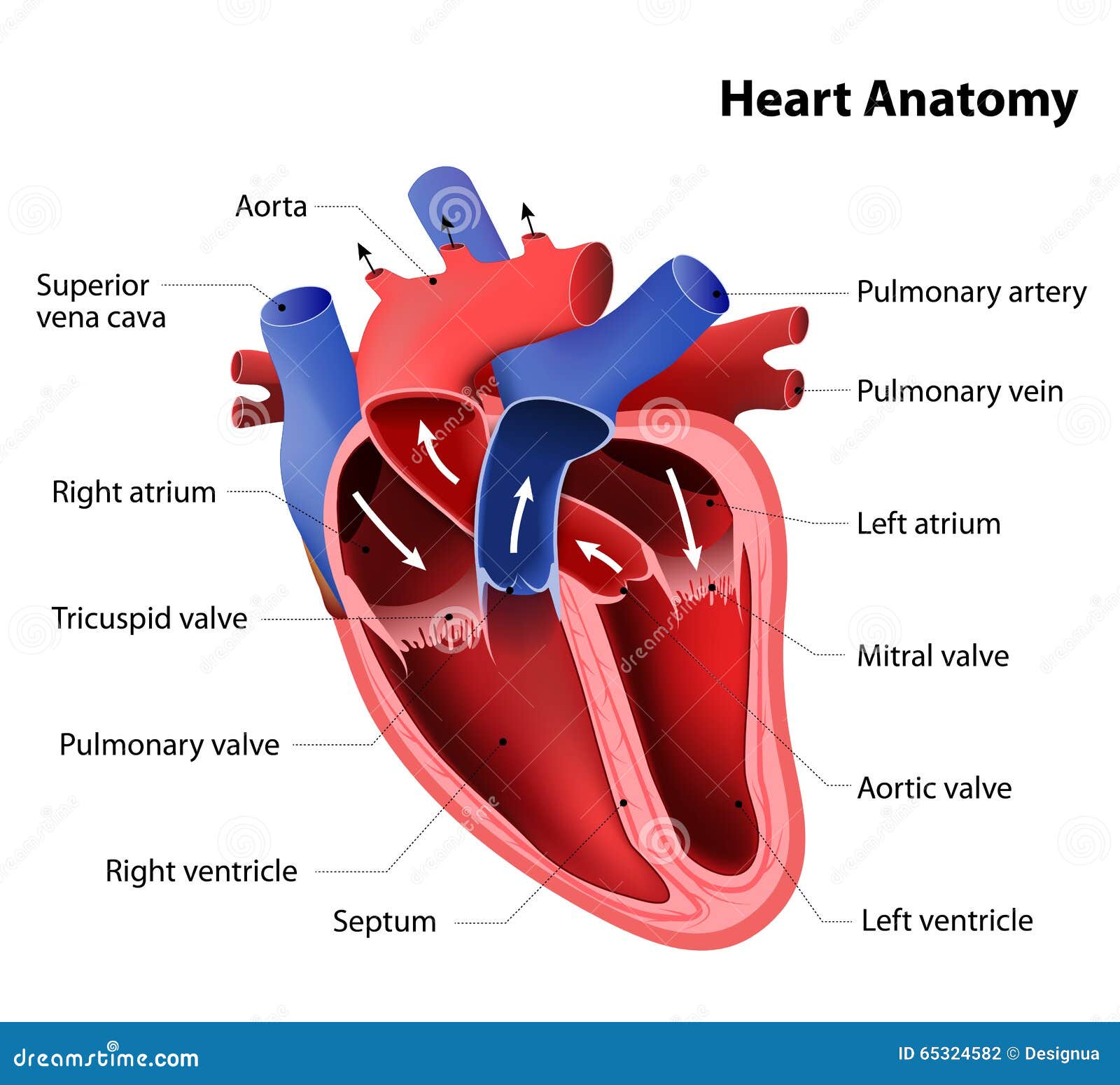
When a coronary artery narrows from fatty plaque buildup, blood flow to the heart muscle drops, triggering chest pain or a heart attack. PTCA (percutaneous transluminal coronary angioplasty) is a minimally invasive medical procedure used to open these blocked vessels and restore proper circulation. Also known as balloon angioplasty, it avoids the need for open-heart surgery by accessing the heart through blood vessels in the wrist or groin.
Understanding what happens before, during, and after this intervention helps patients and their families manage expectations. While the procedure opens blocked pathways quickly, long-term heart health depends on consistent medication adherence, cardiac rehabilitation, and lasting lifestyle adjustments.
What Is PTCA and How Does It Work?
PTCA stands for percutaneous transluminal coronary angioplasty. It belongs to a group of procedures called percutaneous coronary interventions (PCI). Cardiologists perform it in a specialized catheterization laboratory, often called a cath lab.
The process relies on thin, flexible tubes called catheters.
- Access: The doctor numbs a small area on the wrist (radial artery) or groin (femoral artery) with local anesthesia.
- Guidance: A thin guide wire and catheter are threaded through the arterial system up to the coronary arteries surrounding the heart.
- Imaging: Contrast dye is injected so X-ray imaging can pinpoint the exact location and severity of the blockage.
- Inflation: A tiny balloon at the tip of the catheter is inflated to press the plaque flat against the artery wall, widening the channel.
- Stent Placement: In most cases, a small metal mesh tube called a coronary stent is deployed at the site to prop the artery open permanently.
This mechanical widening instantly improves blood supply to the myocardium (heart muscle), relieving symptoms like angina (chest pain).
The Step-by-Step Procedure Timeline
Knowing what to expect during each phase of hospitalization reduces anxiety. Procedures typically take between 30 and 60 minutes, though complex blockages can require more time.
Before the Intervention
Patients receive instructions on fasting—usually stopping solid food six hours prior and clear liquids four hours prior. Blood thinners and sedatives may be administered to keep you relaxed and prevent unwanted clotting. Staff will shave and sterilize the insertion site on your wrist or groin.
During the Intervention
You'll remain awake during the procedure so you can follow instructions, such as taking a deep breath or holding still. Local anesthetic keeps the insertion site pain-free, and intravenous sedatives keep you comfortable. You might feel a warm flush when the contrast dye is injected, but the balloon inflation itself rarely causes sharp pain.
Immediate Post-Procedure Care
Once the catheters are removed, staff apply firm pressure or a closure device to stop bleeding at the puncture site. You'll lie flat for a few hours if the groin was used, or sit up sooner if the wrist was used. Nurses monitor your heart rhythm, blood pressure, and oxygen levels closely. Drinking plenty of water helps flush the contrast dye from your system.
Recovery Timeline and Return to Normal Life
Recovery from PTCA is significantly faster than recovery from traditional coronary artery bypass graft (CABG) surgery. Most patients leave the hospital within 24 to 48 hours if the procedure was planned.
- First Week: Rest at home, keep the insertion site clean, and avoid lifting objects heavier than ten pounds. Short, gentle walks around the house are encouraged to maintain circulation.
- Weeks 2 to 4: Many people return to sedentary or light office work within one to two weeks. Driving can usually resume after one week, provided you haven't experienced complications.
- Months 1 to 3: Gradual progression back to full physical activities occurs during this window. Doctors frequently recommend structured cardiac rehabilitation programs to build cardiovascular endurance safely.
For detailed post-procedure protocols, review guidelines from the National Health Service (NHS).
Medications and Long-Term Heart Health
Opening an artery with a stent treats the local blockage, but it doesn't cure coronary artery disease. Stopping future plaque buildup requires a multi-faceted medical strategy.
Antiplatelet Therapy
Patients who receive a stent must take antiplatelet drugs—such as aspirin combined with clopidogrel, ticagrelor, or prasugrel—to prevent blood clots from forming on the metal mesh. Stopping these medications prematurely can cause sudden stent thrombosis, a medical emergency. Always consult your cardiologist before altering any prescriptions.
Secondary Prevention Drugs
Cardiologists often prescribe statins to lower LDL cholesterol, beta-blockers to reduce heart workload, and ACE inhibitors to manage blood pressure and protect heart function.
Lifestyle Modifications
- Nutrition: Adopt an eating pattern rich in vegetables, fruits, whole grains, and lean proteins while cutting back on saturated fats and sodium.
- Smoking Cessation: Quitting tobacco use entirely is non-negotiable for preserving vascular health.
- Physical Activity: Consistent, moderate aerobic exercise strengthens the heart muscle over time.
To explore comprehensive heart health strategies, visit the American Heart Association.
Common Mistakes to Avoid After Treatment
Patients eager to resume normal routines often make avoidable missteps during recovery.
- Rushing Back to Strenuous Work: Lifting heavy machinery or doing intense yard work too early strains the healing insertion site and spikes blood pressure.
- Skipping Doses of Blood Thinners: Missing antiplatelet medications dramatically increases the risk of dangerous clotting inside the stent.
- Ignoring Warning Signs: Dismissing recurring chest discomfort, shortness of breath, or unusual swelling at the catheter site can delay vital medical evaluation.
- Neglecting Emotional Health: Experiencing anxiety or mild depression after a cardiac event is common. Ignoring mental well-being hinders overall recovery.
Frequently Asked Questions
Can a coronary stent move or slip out of place once implanted?
No. Once deployed, the stent is expanded tightly against the arterial wall, and tissue quickly begins to grow over the metal mesh, locking it securely into the vessel structure.
How long do coronary stents last?
Coronary stents are permanent medical devices engineered to last a lifetime. The primary concern isn't the stent moving, but rather restenosis—the potential for scar tissue to build up inside the stent over time, though modern drug-eluting stents keep this risk very low.
When is it safe to resume sexual activity?
Most individuals can resume sexual activity as soon as they feel physically ready, typically when they can climb two flights of stairs without chest discomfort or excessive shortness of breath. If you have doubts, discuss them openly with your cardiologist.
Why do some patients need bypass surgery instead of PTCA?
While PTCA works well for single or targeted blockages, patients with severe multivessel disease, diabetes, or blockages in complex anatomical locations—such as the main left coronary artery—often achieve better long-term outcomes with surgical bypass.