Kids born in the 2010s—commonly known as Generation Alpha—are growing up in an era defined by artificial intelligence, pandemic-shifted schooling, and ubiquitous screens. While older generations often view these shifts with skepticism, children born from 2010 onward are developing distinct social habits, communication styles, and learning methods that will shape the workforce and society for decades. This generation isn't just consuming media differently; they are rewriting how social circles form, how information is processed, and what independence looks like at an early age.
Understanding this cohort requires looking beyond the usual clichés about screen time. By examining their unique developmental environment, we can see how early exposure to decentralized platforms, algorithmic curation, and modern educational tools is forging a pragmatic, highly adaptable population.
Defining the 2010s Cohort
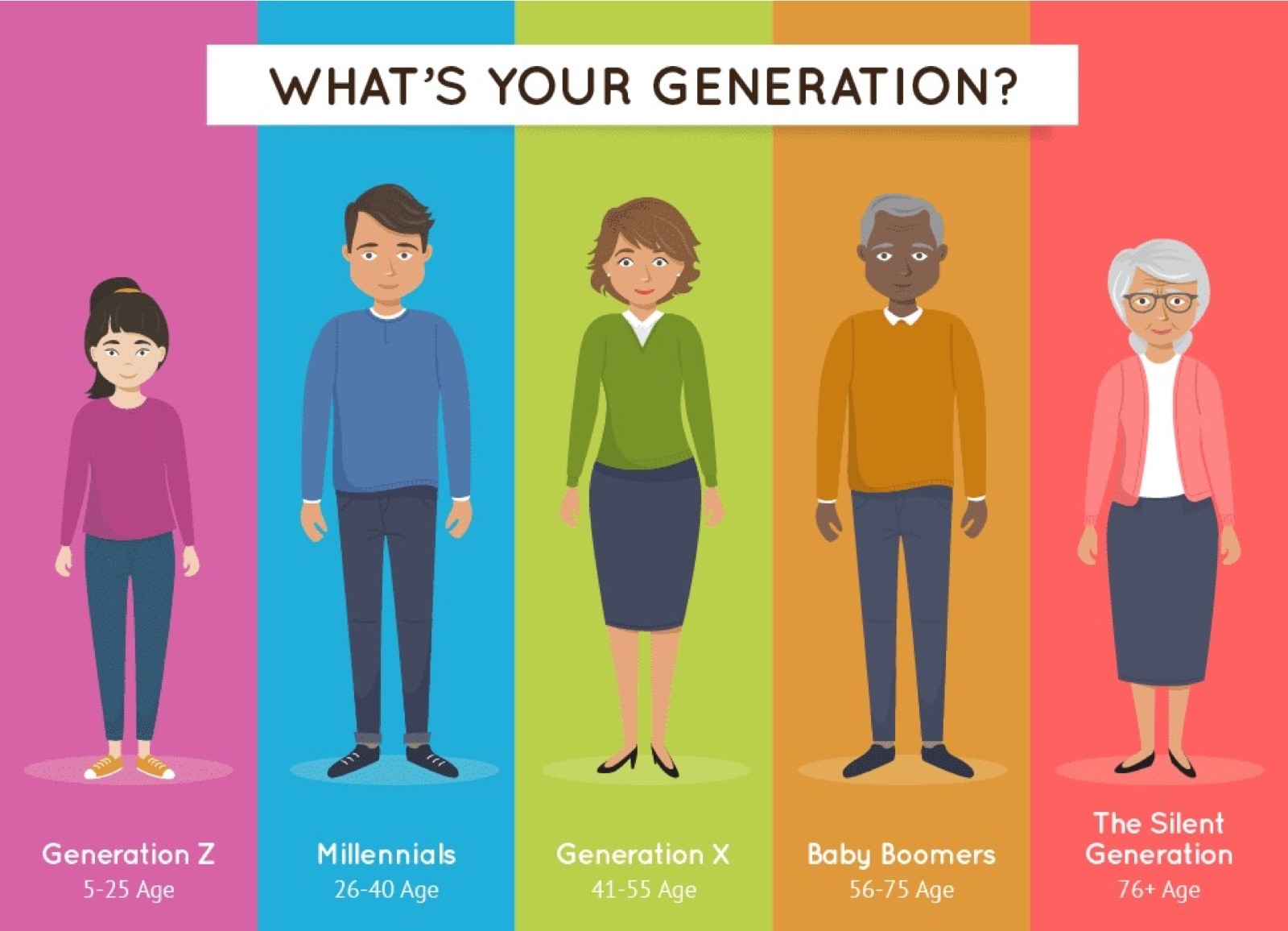
Demographers and sociologists generally define Generation Alpha as those born starting in 2010, the year the iPad was launched and Instagram was founded. This coincidence of timing means their entire lives have unfolded alongside modern mobile technology and social media infrastructure. Unlike Millennials, who remember dial-up internet, or Generation Z, who witnessed the birth of the smartphone during their childhood, Generation Alpha has never known a world without instant, interactive digital feedback loops.
The environment they inhabit is also shaped by global events. Children born in the early 2010s experienced critical developmental years during the disruptions of the early 2020s. Remote learning, altered social socialization, and economic shifts forced a degree of digital fluency that previous generations only acquired in their teens or early adulthood.
Key Environmental Pressures
- Early Digital Integration: Tablets and touchscreens were often introduced before they could read, changing hand-eye coordination and visual processing.
- Pandemic Disruption: Critical foundational schooling years involved hybrid or remote formats, accelerating independent digital navigation.
- Algorithmic Content: Entertainment and education have been filtered through recommendation engines from infancy, altering expectations of personalization.
Communication and Social Dynamics
The ways kids born in the 2010s interact with peers differ sharply from previous generations. Voice calls are rare; asynchronous messaging, shared virtual spaces, and collaborative gaming platforms like Roblox serve as the primary town squares.
This environment fosters a distinct communication style that relies heavily on visual shorthand, memes, and fast-paced media consumption. However, this doesn't mean they lack face-to-face social skills. Instead, they navigate a hybrid social reality where digital and physical interactions hold equal weight. Friendships often form around shared digital interests—such as building games together or following specific online creators—crossing geographical boundaries effortlessly.
At the same time, parents and educators note challenges in sustained attention spans and traditional conflict resolution. When disagreements arise in digital spaces, blocking or muting is often the default response, bypassing the nuanced negotiation required in physical playgrounds.
Modern Learning and Cognitive Shifts
Classrooms are grappling with students whose baseline expectations for engagement are shaped by interactive media. Traditional lecture formats struggle to hold the attention of children accustomed to gamified learning apps and instant search results.
This has pushed forward-thinking educators to adopt project-based learning and collaborative tech tools. Kids born in the 2010s often display strong self-directed research skills. If they want to know how a specific mechanism works, they look up video tutorials or interactive guides rather than waiting for an adult to explain it.
- Visual Literacy: They parse complex visual interfaces, icons, and navigational menus intuitively before developing formal reading fluency.
- Pacing Preferences: They adapt quickly to fast information delivery, though building deep concentration requires deliberate pedagogical strategies.
- Problem-Solving Approach: Trial-and-error experimentation within digital environments is preferred over reading lengthy instruction manuals.
Economic and Consumer Influences
Even at young ages, this cohort wields significant influence over household spending and brand awareness. Growing up alongside family members who are digital natives, they often act as technology consultants for older relatives.
Marketers have taken note, shifting away from traditional television advertising toward interactive digital ecosystems. Yet, these kids are also surprisingly savvy. Having grown up watching creator-led content, many recognize sponsored placements and marketing tactics earlier than Generation Z did at the same age.
According to insights from organizations like the Pew Research Center, shifts in household dynamics and delayed parenthood among Millennials mean these children often grow up in households with a strong emphasis on emotional intelligence and collaborative decision-making.
Anticipating the Future Workforce
As the oldest members of Generation Alpha approach their teenage years, economists and career advisors are beginning to look ahead to their entry into the job market. The traditional career ladder is likely to hold little appeal for a generation that has watched independent creators build global audiences from their bedrooms.
Flexibility, remote collaboration, and technological literacy will be baseline assumptions for this workforce. They are expected to gravitate toward roles that combine technical aptitude with creative problem-solving, as routine administrative tasks are increasingly automated by artificial intelligence.
Frequently Asked Questions
What years define Generation Alpha?
Demographers generally define Generation Alpha as those born from 2010 through 2024, succeeding Generation Z and preceding the generation that follows.
How do they differ from Generation Z?
While Gen Z witnessed the rise of social media during their adolescence, Generation Alpha was born directly into a world of ubiquitous mobile devices, streaming services, and AI-driven platforms from birth.
Are screens impacting their social skills?
While digital communication is second nature, researchers observe a mix of hyper-connected global awareness alongside unique challenges in offline conflict resolution and sustained attention, requiring active guidance from parents and teachers.
How are schools adapting to this generation?
Schools are increasingly moving away from rote memorization toward interactive, tech-integrated, and project-based learning models that match the cognitive styles of these digital natives.