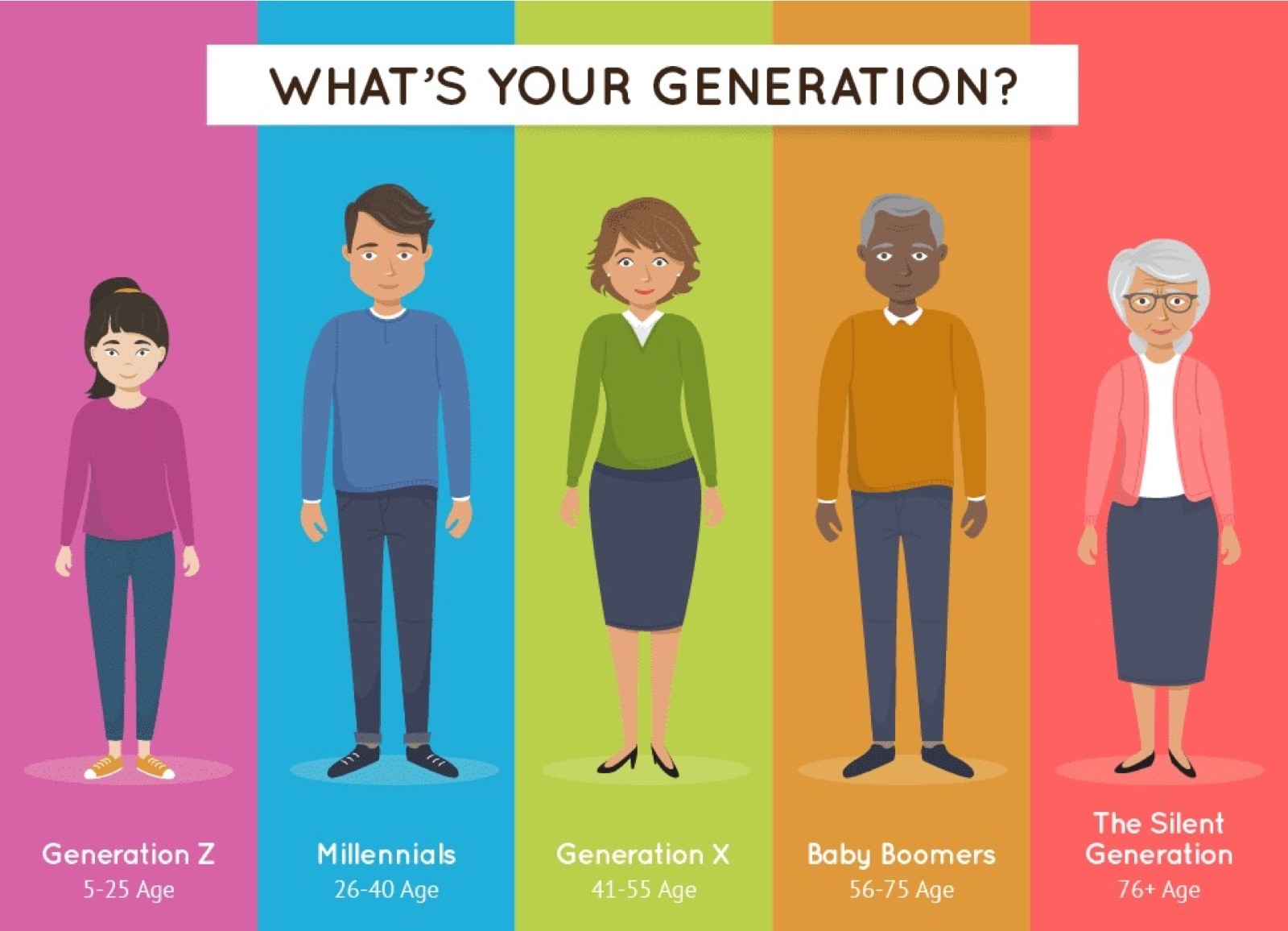
Baby Boomers are the demographic cohort born between 1946 and 1964, immediately following World War II. Defined by an era of dramatic post-war economic expansion, social upheaval, and shifting cultural norms, this generation totals roughly 78 million people in the United States and hundreds of millions globally. They have spent decades driving consumer markets, reshaping political landscapes, and altering workplace expectations.
Understanding the Baby Boomer generation requires looking past broad generalizations to examine the specific historical forces that shaped their formative years. From unprecedented suburban growth and the civil rights movement to their current transition into retirement, Boomers continue to exert immense influence on modern society.
The Post-War Birth Surge and Historical Context
The defining birth spike began right as soldiers returned home from World War II. In the United States, birth rates surged dramatically, peaking in 1957 with more than 4.3 million births in a single year. This sudden population explosion strained existing infrastructure, leading to rapid construction of schools, suburban housing developments, and pediatric healthcare facilities.
Growing up during the Cold War and the atomic age instilled a unique duality in Boomers: a baseline expectation of national security and economic prosperity, contrasted with underlying global anxiety. Unlike their parents, who experienced the Great Depression and total war firsthand, Boomers came of age in an environment of abundant consumer goods, television adoption, and expanding middle-class comforts.
Government investments like the G.I. Bill allowed many Boomer parents to attend college and purchase suburban homes in communities like Levittown. This set a new baseline for standard living conditions and established homeownership as a central pillar of financial security.
Core Values and Cultural Shifts
As they reached adolescence and young adulthood in the 1960s and 1970s, Baby Boomers became the driving force behind massive cultural transformations. They questioned traditional authority structures established by the Silent Generation and the Greatest Generation, fueling movements centered on civil rights, anti-war sentiment, and women's liberation.
- Individualism and Self-Expression: Boomers moved away from rigid conformity, prioritizing personal identity, spiritual exploration, and individual autonomy.
- Civic Engagement: Participation in protests, political campaigns, and grassroots organizing became a defining hallmark of their youth.
- Workplace Loyalty: Professionally, early Boomer culture emphasized long-term company loyalty, climbing corporate ladders, and defining self-worth through professional output.
Higher education rates skyrocketed during this period. According to the National Center for Education Statistics, college enrollment expanded significantly through the 1960s and 1970s, transforming universities into major centers of political activism and cultural discourse.
Economic Power and Market Disruption
Throughout every life stage, Baby Boomers have dictated economic trends simply by virtue of their numbers. As infants, they created massive demand for baby food and diaper manufacturing. As teenagers, they gave birth to the modern youth-culture market, spending disposable income on music, fashion, and automobiles.
During their peak earning years, Boomers propelled the expansion of the housing market, mutual funds, and consumer credit. Their preference for suburban living fueled urban sprawl and highway infrastructure development.
According to data from the Federal Reserve, older generations hold a significant share of household wealth, with Baby Boomers controlling a major portion of total net worth through real estate and retirement accounts. This concentration of capital has made the ongoing intergenerational wealth transfer one of the most closely watched financial phenomena of the decade.
The Transition Into Retirement and Aging
As the oldest Boomers crossed the 65-year threshold, discussions shifted toward the strain on social safety nets, pensions, and healthcare systems. Organizations like AARP report that Boomers are redefining what aging looks like, rejecting traditional notions of complete disengagement in favor of second careers, part-time consulting, and lifelong learning.
Digital adoption among older adults has also risen. While initially stereotyped as technology laggards, modern Boomers use smartphones, manage investments online, and engage with digital healthcare platforms at high rates.
Frequently Asked Questions
What exact years define the Baby Boomer generation?
Demographers generally define Baby Boomers as individuals born between 1946 and 1964. This timeframe is officially recognized by agencies like the U.S. Census Bureau, capturing the sharp rise and subsequent decline in birth rates following World War II.
Why are they called Baby Boomers?
The name originates from the dramatic "boom" in birth rates that occurred across several Western nations immediately after World War II ended in 1945. Millions of service members returned home, reunited with families, and started households simultaneously.
How do Baby Boomers differ from Generation X?
While Boomers grew up during an era of expanding economic optimism and institutional trust, Generation X grew up amid economic recessions, rising divorce rates, and shifting social structures. Consequently, Gen X developed a reputation for independence and skepticism toward corporate loyalty, contrasting with the traditional career paths favored by many Boomers.
What is the financial impact of the Boomer generation today?
Boomers control a substantial share of global and national wealth, primarily tied up in real estate, small businesses, and retirement portfolios. Their spending habits continue to influence healthcare, travel, and leisure industries, while their eventual asset distribution drives modern estate planning.