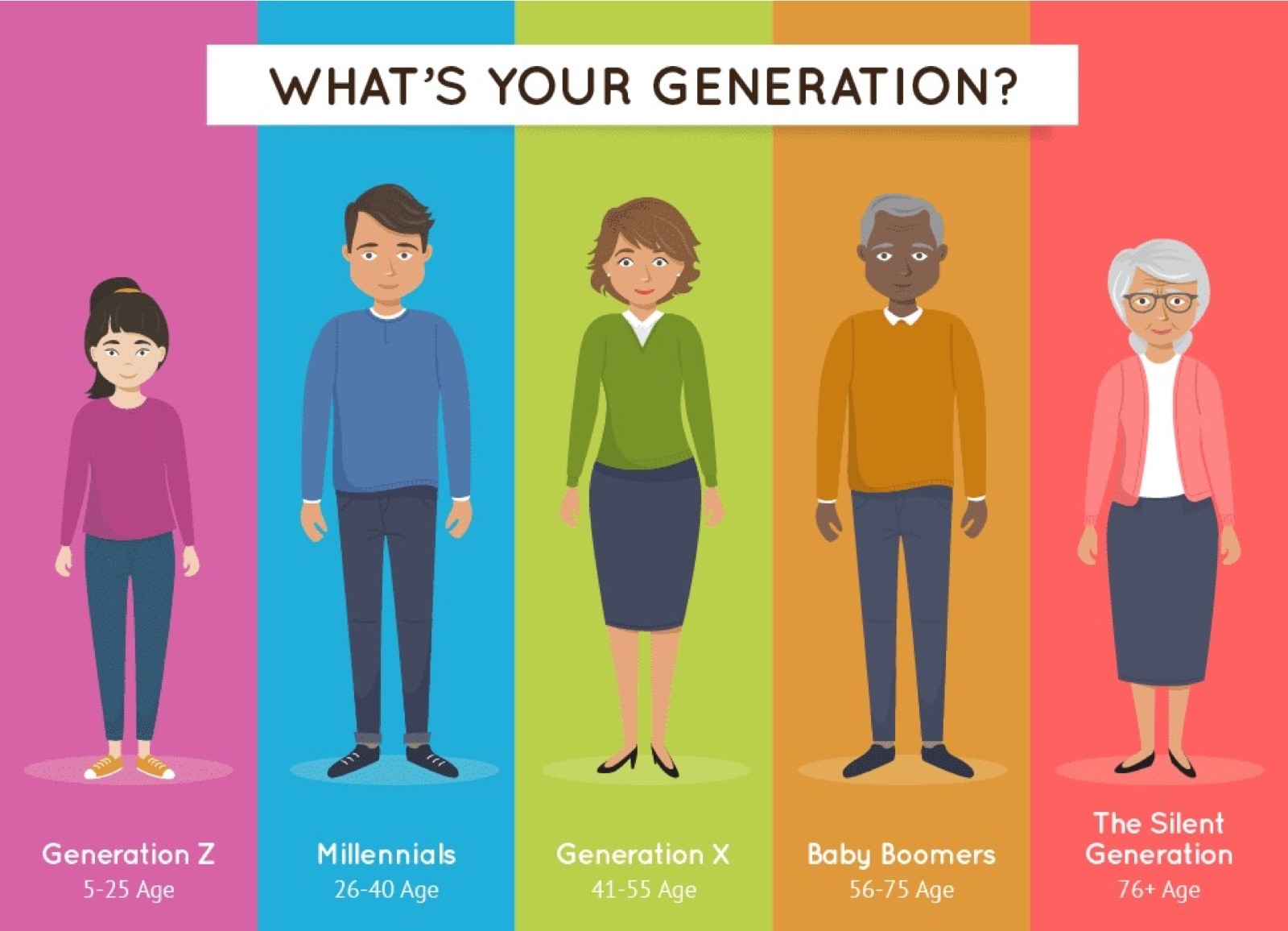
Children born from 2010 onward belong to Generation Alpha, a cohort shaped by widespread smartphone use, shifting educational structures, and unique cultural milestones. While sensational headlines often label modern youth cohorts through singular lenses like trauma or digital isolation, the reality of kids born in the 2010s involves a complex mixture of unprecedented technological fluency, evolving family dynamics, and adaptive resilience.
Instead of reducing an entire demographic to catchy buzzwords, looking at developmental psychology, educational research, and sociological data reveals how these children actually live, learn, and socialize. Let's break down the core facts, environment, and long-term trajectory of the 2010s generation.
Defining Generation Alpha and the 2010s Landscape
Demographers and social researchers typically mark the start of Generation Alpha at 2010, aligning with the launch of the iPad and the broad commercialization of modern app-based ecosystems. Most children born in this decade are the offspring of Millennials, which shifts parenting styles toward higher emotional attunement, intensive scheduling, and a heavy reliance on digital communication tools for household management.
Unlike older generations who experienced an analog childhood before transitioning into the digital age, 2010s kids opened their eyes in a world saturated with screens, smart home devices, and algorithmic content feeds. This immersion creates distinct cognitive patterns. They process visual information rapidly, adapt to intuitive touchscreen interfaces before learning to tie their shoes, and exhibit high levels of digital literacy early on. However, this immersion also introduces distinct challenges regarding attention spans, parental screen distraction—often called technoference—and boundaries around personal privacy.
The Impact of Pandemic Disruptions and Remote Learning
A defining historical marker for children born in the early-to-mid 2010s is the global disruption of the COVID-19 pandemic during their formative primary school years. Remote learning, social distancing, and recurring community lockdowns altered traditional socialization patterns.
During these critical windows of social-emotional development, children missed months or years of unstructured peer play, classroom routines, and face-to-face conflict resolution. Educational researchers note that this period created temporary academic setbacks and heightened baseline anxiety for many young students. Yet, children also demonstrated remarkable adaptability. They learned to navigate video conferencing software independently, and many families forged closer bonds due to prolonged time spent together at home.
Schools and child psychologists continue to address the residual effects of these years. Recovery hasn't been uniform; children with strong support systems bounced back quickly, while those facing systemic disadvantages experienced deeper, more persistent learning gaps.
Digital Immersion and the Attention Economy
Growing up alongside algorithmic feeds means that kids born in the 2010s interact with media differently than any prior group. Short-form video platforms, interactive gaming worlds like Roblox, and gamified educational apps command significant portions of their free time.
This environment fosters creativity within virtual spaces, but it also alters how children experience boredom. When entertainment is instantly accessible via a pocket device, the capacity to self-soothe through unstructured daydreaming requires more intentional cultivation. Psychologists emphasize that balanced tech boundaries matter deeply. Children who maintain robust offline hobbies—such as sports, visual arts, reading physical books, and outdoor play—tend to regulate their attention and emotional responses more effectively.
Shifting Educational Paradigms and Future Skills
Classrooms have undergone radical transformations to accommodate the needs of 2010s children. Traditional rote memorization is taking a backseat to critical thinking, basic coding literacy, and collaborative problem-solving. Because information is instantly searchable, educational frameworks now prioritize teaching kids how to evaluate sources, verify facts, and synthesize disparate pieces of data rather than merely retaining trivia.
Furthermore, these children display high levels of environmental awareness from an early age. Growing up amid frequent discussions about climate change, recycling initiatives, and sustainability in school curricula, 2010s kids often bring eco-conscious habits back into their household routines, influencing how their families shop, eat, and travel.
To explore broader demographic shifts and historical data regarding youth cohorts, you can review resources provided by the Pew Research Center and educational insights from the U.S. Department of Education.
Common Misconceptions About 2010s Kids
Public discourse often paints broad, unhelpful strokes about younger generations. Examining these myths clarifies the actual experiences of children growing up today.
- Myth: They lack all social skills due to screens. While digital communication is ubiquitous, children still form deep, meaningful peer connections through shared school experiences, team sports, and collaborative multiplayer games. Digital spaces often serve as modern playgrounds rather than total replacements for physical friendship.
- Myth: They are entirely passive consumers of media. Many 2010s kids are active creators, building virtual worlds, producing digital art, and learning basic programming concepts through intuitive builder platforms long before entering high school.
- Myth: Every child shares the exact same upbringing. Socioeconomic status, geographic location, cultural background, and family structure create vast disparities in how individual children experience the 2010s and 2020s.
Frequently Asked Questions
What exact years define Generation Alpha?
Most demographers and researchers define Generation Alpha as individuals born between 2010 and 2025. Children born from 2026 onward transition into the subsequent generational designation.
Are kids born in the 2010s more anxious than past generations?
Data indicates rising rates of reported anxiety among youth, largely driven by academic pressures, hyper-connectivity, and global news exposure. However, increased awareness and reduced stigma also mean families and schools identify and treat mental health challenges much earlier than in the past.
How do Millennial parenting styles affect 2010s children?
Millennial parents tend to favor gentle parenting, open emotional communication, and collaborative decision-making. This often results in children who articulate their feelings well, though it can sometimes challenge traditional boundaries around authority and structure.
What role does artificial intelligence play in their lives?
Children born in the 2010s interact with AI-driven recommendations, voice assistants, and smart educational tools daily. For them, AI is not a futuristic novelty but a standard background utility of their everyday environment.