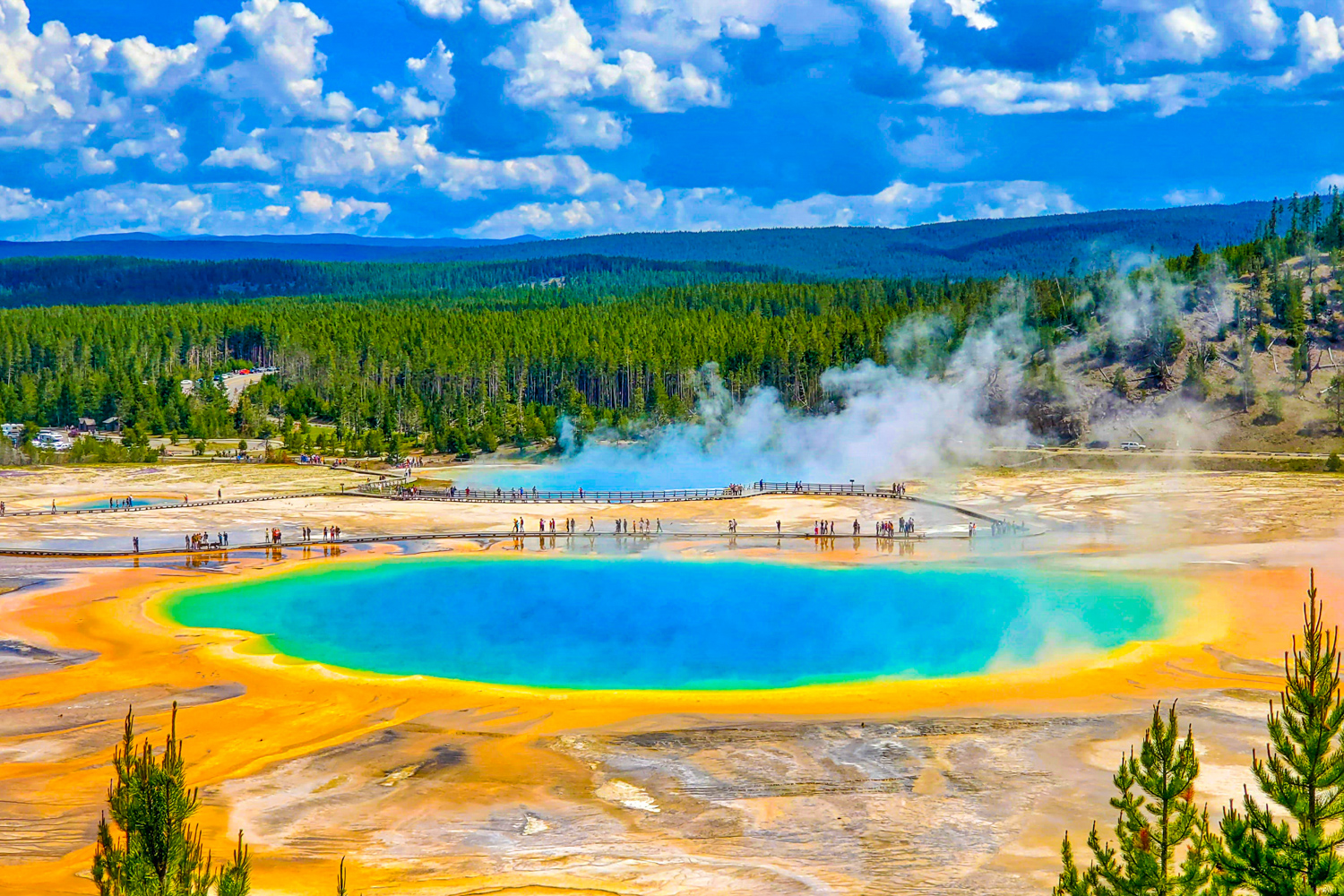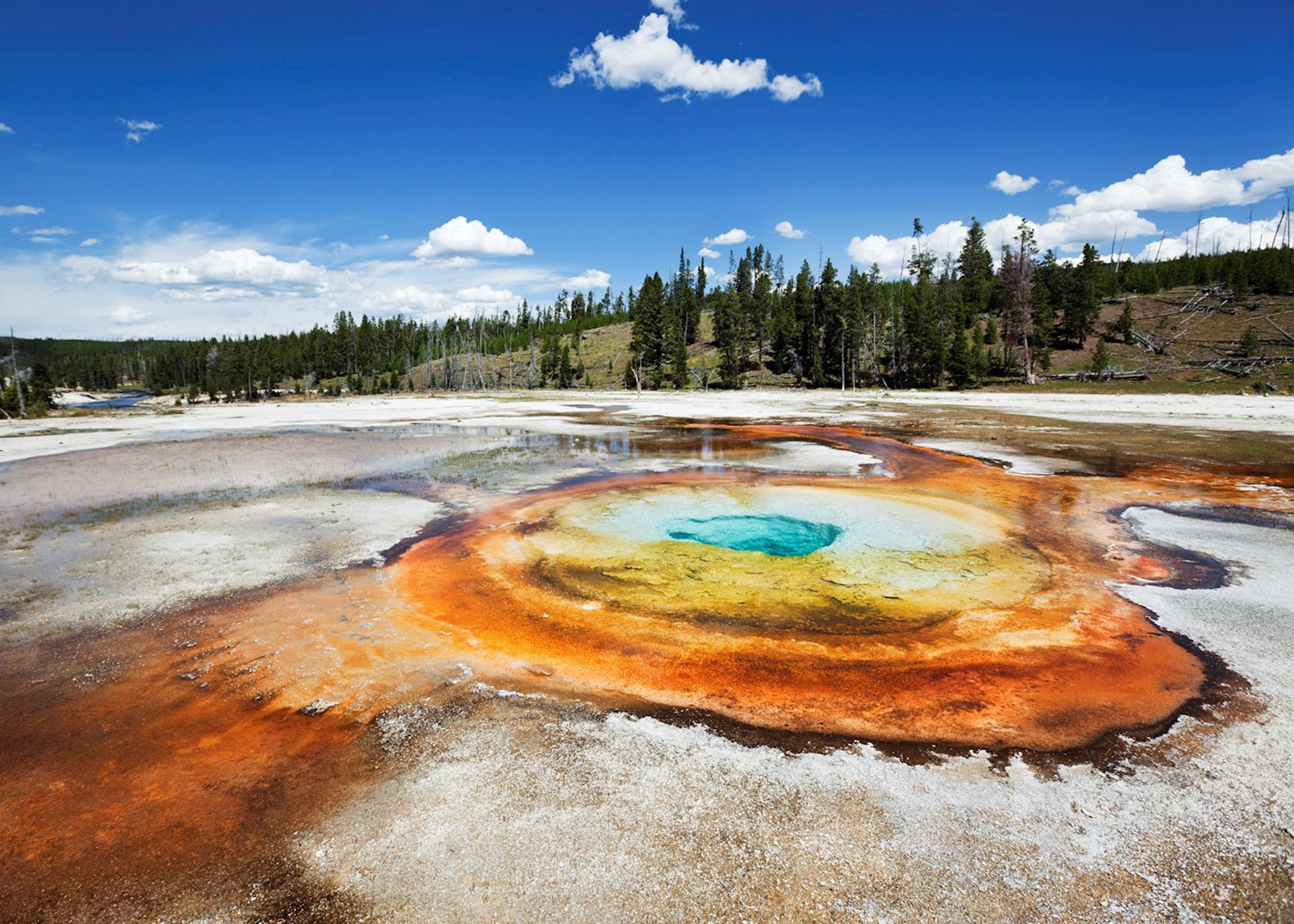
Internet rumors love a good catastrophe, and few subjects generate more online panic than the Yellowstone supervolcano. Sensationalized headlines frequently claim an imminent explosion will wipe out North America. A prime example of this digital myth-making is the persistent internet fiction surrounding a supposed Yellowstone eruption 2025, painted as the deadliest natural disaster in modern history. The reality documented by the U.S. Geological Survey (USGS) tells a radically different story. Yellowstone experienced normal background activity, routine geyser cycles, and minor hydrothermal events—not a civilization-ending cataclysm.
Sorting accurate science from viral exaggeration matters. When sensationalized blogs twist routine seismic data into doomsday prophecies, it creates unnecessary public anxiety and obscures how actual volcanic monitoring works. This breakdown examines what actually happened beneath the caldera, why massive supervolcano eruptions don't happen on short human timelines, and how scientists track real subterranean changes.
Separating Internet Myth from Volcanic Reality
The core misconception stems from a fundamental misunderstanding of geologic time and volcanic mechanics. Online rumors often treat Yellowstone as a ticking time bomb ready to detonate at any second. In truth, volcanologists continuously monitor the system using dense networks of seismographs, GPS receivers, and thermal sensors.
During the period in question, the Yellowstone Volcano Observatory (YVO) recorded standard background seismicity. While minor earthquake swarms and localized ground deformation occur regularly, none of these indicators point toward a magmatic eruption.
- Background Seismicity: Hundreds of small earthquakes happen in the region every year, most of them entirely imperceptible to humans.
- Ground Deformation: Cyclic episodes of minor surface uplift and subsidence happen frequently, driven by shifting hydrothermal fluids rather than rising magma chambers.
- Hydrothermal Activity: Small-scale thermal features and geysers like Steamboat and Echinus remain active, behaving just as they have for centuries.
What Actually Happened at Yellowstone
Instead of a massive volcanic eruption, the geological highlights of the period involved minor hydrothermal adjustments and localized pool updates. Hydrothermal explosions—which involve pressurized water flashing into steam beneath the surface—happen occasionally in thermal basins. These events are driven by shallow groundwater systems, not deep-seated magma reservoirs.
Monitoring networks track these variations meticulously. When minor changes occur, such as the emergence of small thermal features or temporary ground swelling, automated instruments record the data instantly. Researchers analyze these data streams to distinguish between normal park dynamics and genuine volcanic unrest.
Why a Supervolcano Eruption Is Unlikely Today
The primary reason scientists don't lose sleep over a catastrophic Yellowstone eruption is the state of the underground magma reservoir. Deep geophysical imaging shows that the crustal magma reservoir beneath Yellowstone is mostly solid—roughly 80% to 90% crystalline matrix with very little melt.
To feed a massive supervolcano eruption, a vast pool of mobile, liquid magma must accumulate beneath the surface. The current system simply doesn't possess the necessary volume of molten rock to produce a catastrophic event. According to long-term geological studies published by institutions like the National Science Foundation (NSF), any future major activity is thousands or millions of years away.
How Scientists Monitor Yellowstone
Real-time monitoring is the best defense against unforeseen natural hazards. The Yellowstone Seismic Network, operated by the University of Utah Seismograph Stations in partnership with the USGS, tracks earth movements around the clock.
- Seismic Sensors: Detect micro-earthquakes to map fault lines and magma movement.
- GPS and Tiltmeters: Measure millimeter-scale changes in ground elevation and surface swelling.
- Satellite Radar (InSAR): Provides broad-scale maps of ground deformation across the entire caldera.
- Gas Sensors: Monitor emissions of carbon dioxide and sulfur dioxide escaping from thermal areas.
If magma were actually ascending toward the surface prior to an eruption, scientists would observe distinct precursors: intense, continuous earthquake swarms felt widely by the public, rapid and accelerating ground deformation, and massive spikes in volcanic gas emissions. None of these warning signs were present.
Frequently Asked Questions
Could Yellowstone erupt without warning?
No. Volcanologists agree that a major magmatic eruption would provide weeks, months, or even years of warning signs. Intense seismic activity and rapid ground swelling would make it impossible to miss.
Are hydrothermal explosions the same as volcanic eruptions?
No. Hydrothermal explosions are driven by shallow boiling water and steam. They can create craters and throw debris locally, but they do not involve molten rock or magma from deep underground.
Where can I find accurate updates on Yellowstone's status?
The most reliable source for up-to-date volcanic alerts is the USGS Yellowstone Volcano Observatory, which publishes monthly updates, seismic summaries, and public status reports.
What was the actual deadliest disaster in modern history?
While natural disasters like major earthquakes, floods, and severe storms have caused immense loss of life globally, none of them involved a Yellowstone supervolcano eruption, which has no recorded occurrence in human history.