Achieving elite results over years isn't about single flashes of motivation. It's the product of physiological efficiency, neurological rewiring, and deliberate pacing. When you look at individuals who maintain high output across decades, you aren't seeing genetic anomalies alone. You're observing the predictable biological outcomes of systemic stress adaptation.
Understanding this mechanism transforms how you approach work, training, and long-term goals. Instead of chasing short-term burnout loops, you build a sustainable operational engine. Here is the actual science behind how endurance supports peak performance over long periods, along with practical steps to build it.
The Aerobic Base and Cellular Efficiency
At the physiological core of sustained endurance is your aerobic energy system. While high-intensity output relies on anaerobic pathways that quickly burn through stored glycogen and accumulate fatigue-inducing metabolic byproducts, aerobic metabolism operates differently. It utilizes oxygen to convert carbohydrates and fats into adenosine triphosphate (ATP) with remarkable efficiency.
This aerobic capacity determines your overall work capacity. When your cardiovascular and respiratory systems deliver oxygen smoothly, your muscle cells generate steady energy without hitting premature walls. Training this system requires consistent, moderate-intensity efforts that signal your body to upgrade its internal hardware. If you want more about the background of this, Associated Press offers an informative summary.
Mitochondrial Density and Capillary Expansion
Consistent endurance work forces your cells to adapt at a microscopic level. Two primary structural changes occur when you train for longevity rather than raw speed:
- Mitochondrial Proliferation: Your muscle cells multiply and enlarge their mitochondria. These cellular powerhouses process oxygen to generate ATP, meaning a higher density translates directly to greater energy output without extra strain.
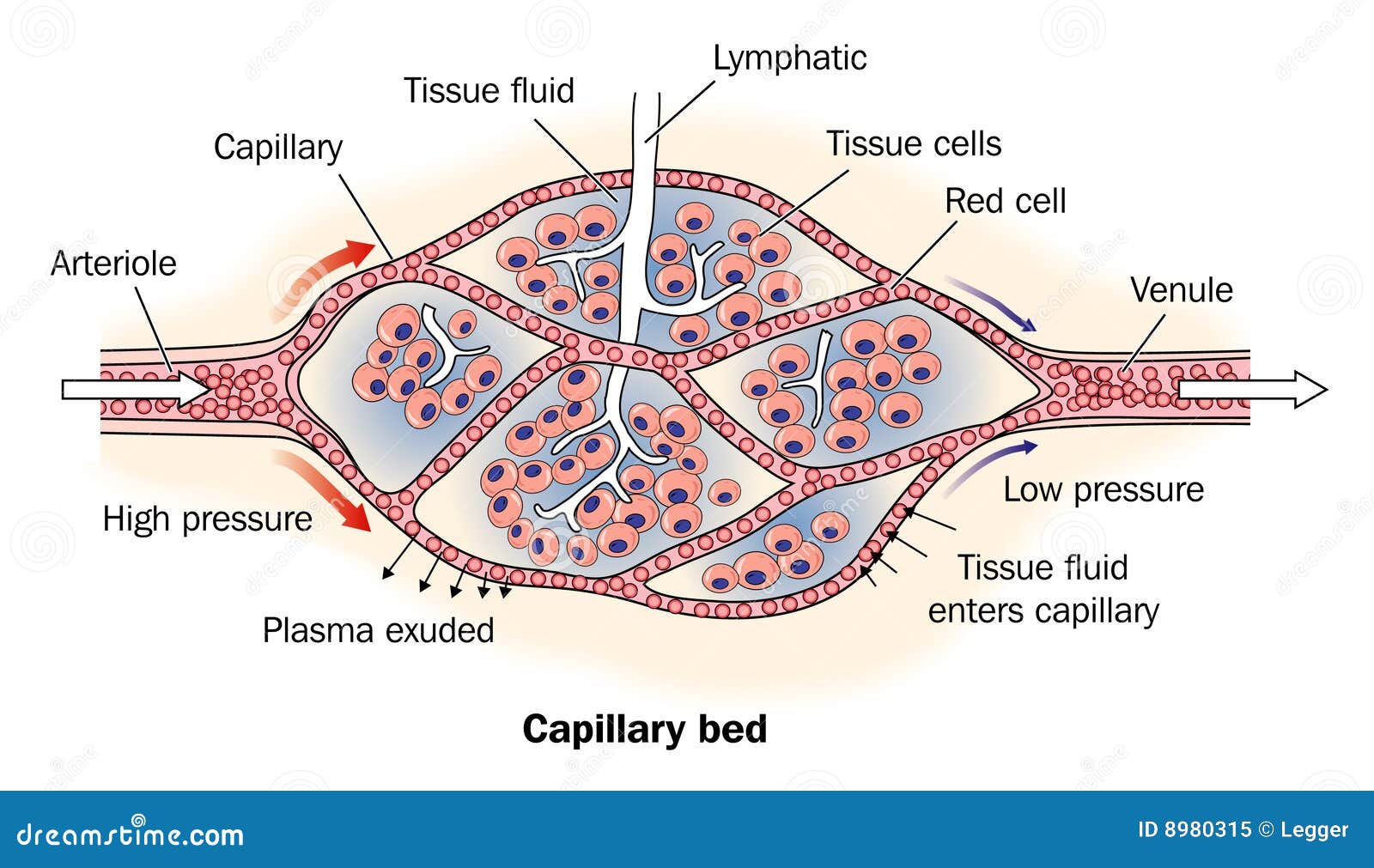
- Capillary Bed Expansion: New blood vessels sprout around muscle fibers. This increased capillary density shortens the diffusion distance for oxygen and nutrients while clearing metabolic waste products more effectively.
These structural adaptations don't vanish overnight. They create a physiological buffer that protects your baseline performance even during periods of lower activity or high stress.
Mental Endurance and Cognitive Stamina
Physical capacity tells only half the story. Sustained excellence requires immense cognitive stamina—the mental discipline to maintain focus when discomfort, boredom, or friction sets in.
Neuroscience shows that mental fatigue shares pathways with physical exhaustion. The anterior mid-cingulate cortex, a brain region heavily involved in maintaining effort against difficult odds, grows more robust with deliberate practice in hard tasks. When you force yourself to finish a difficult report or complete a grueling training session, you aren't just getting better at that specific task. You're building general neurological resilience.
This mental endurance protects you against burnout. Burnout rarely stems from working too many hours; it usually comes from mismanaged energy recovery and a lack of autonomy. By pacing your cognitive load and treating mental output like physical muscle, you preserve your ability to solve complex problems over a 30-year career instead of flaming out in three years.
The Role of Pacing and Energy Management
Amateurs go out too fast. Professionals manage their energy reserves across the entire timeline. Whether you're running an ultramarathon or scaling a business, the secret to longevity is sub-maximal efficiency.
If you operate at 95% capacity every day, your margin for error drops to zero. A single bad night of sleep or a minor illness knocks you completely off track. Operating at 75% to 80% capacity preserves enough bandwidth to handle unforeseen crises, adapt to changing market conditions, or recover from unexpected setbacks without derailing your trajectory.
According to research from Harvard Medical School, chronic high-stress states without adequate recovery downregulate immune function and impair cognitive flexibility. Pacing isn't a lack of ambition. It's a strategic choice that compounds small, consistent daily gains into massive long-term advantages.
Common Mistakes in Building Endurance
Many people fail to build lasting endurance because they fall into predictable operational traps. Avoiding these missteps saves years of wasted effort.
- Chasing Constant Intensity: Treating every workout or work session as a personal best destroys your aerobic base and spikes cortisol. Most of your output should feel conversational or sustainable.
- Neglecting Sleep and Nutrition: Endurance isn't built while you work or train; it's built during deep sleep and nutritional replenishment. Skimping on calories or rest halts cellular adaptation.
- Ignoring Progressive Overload: Jumping from zero to extreme volume overnight causes injury and mental fatigue. Progress requires incremental, measurable additions to your baseline.
- Lack of Psychological Rest: Staring at a screen or thinking about work for 16 hours a day erodes mental stamina. True recovery requires complete cognitive detachment.
Building a Sustainable Routine
To put the science of sustained excellence into practice, you need a framework that prioritizes longevity over short-term heroics. Follow these steps to construct your endurance engine:
- Establish a Baseline Volume: Measure what you can comfortably sustain for five consecutive days without needing the entire weekend to recover. Lock that in as your floor.
- Incorporate Zone 2 Work: Dedicate the majority of your physical or mental training to a moderate, steady-state zone where you can maintain a conversation. This builds mitochondrial density without frying your central nervous system.
- Schedule Deliberate Deloads: Every fourth week, drop your total volume by 30% to allow your connective tissues, nervous system, and mind to fully absorb the training adaptations.
- Optimize Fuel and Hydration: Treat nutrition as mechanical input. Keep your blood sugar stable with complex carbohydrates, healthy fats, and adequate protein, and maintain hydration to support cognitive focus.
- Review and Adjust: Monitor your resting heart rate, sleep quality, and subjective mood. If your metrics trend negative for two weeks straight, dial back your output immediately.
For guidance on nutrition and metabolism during prolonged exertion, consult resources provided by the National Institutes of Health.
Frequently Asked Questions
How long does it take to build an aerobic endurance base?
Significant mitochondrial and capillary adaptations typically take between 8 to 12 weeks of consistent, moderate-intensity training. True physiological remodeling that permanently alters your baseline can take several years of structured practice.
Is high-intensity training bad for endurance?
Not at all. High-intensity training improves your maximum oxygen uptake and speed, but it should only make up about 10% to 20% of your total volume. The remaining 80% needs to be low-to-moderate intensity to support that peak speed.
How do I know if I'm pushing too hard or building endurance?
If you wake up consistently fatigued, notice a rising resting heart rate, and find your focus slipping during routine tasks, you're overreaching. Sustainable endurance training leaves you feeling energized after sessions rather than completely depleted.
Can mental endurance be trained the same way as physical endurance?
Yes. Cognitive stamina relies on progressive overload just like muscle tissue. By scheduling short blocks of uninterrupted, high-focus work and gradually lengthening those blocks over months, you expand your attention span and mental resilience.