Your body doesn't panic when you stop breathing because oxygen is running out. It panics because carbon dioxide is piling up. When you take a maximal breath and seal your airway, a precise biological clock starts ticking, governed by partial pressures of gases, neural feedback loops, and autonomic reflexes.
The breath holding interval after a deep inhalation serves as a classic window into cardiopulmonary health, athletic conditioning, and stress tolerance. While casual breath holds last under a minute, elite freedivers and specialized conditioning protocols push these boundaries past the four-minute mark through targeted physiological adaptations. Understanding what happens inside your bloodstream during this pause reveals how the human body manages metabolic stress.
The Respiratory Drive and Gas Exchange Mechanics
When you inhale to total lung capacity, your lungs contain roughly six liters of air depending on your body size. Oxygen pressure in the alveoli peaks, while carbon dioxide is diluted across a large gas volume.
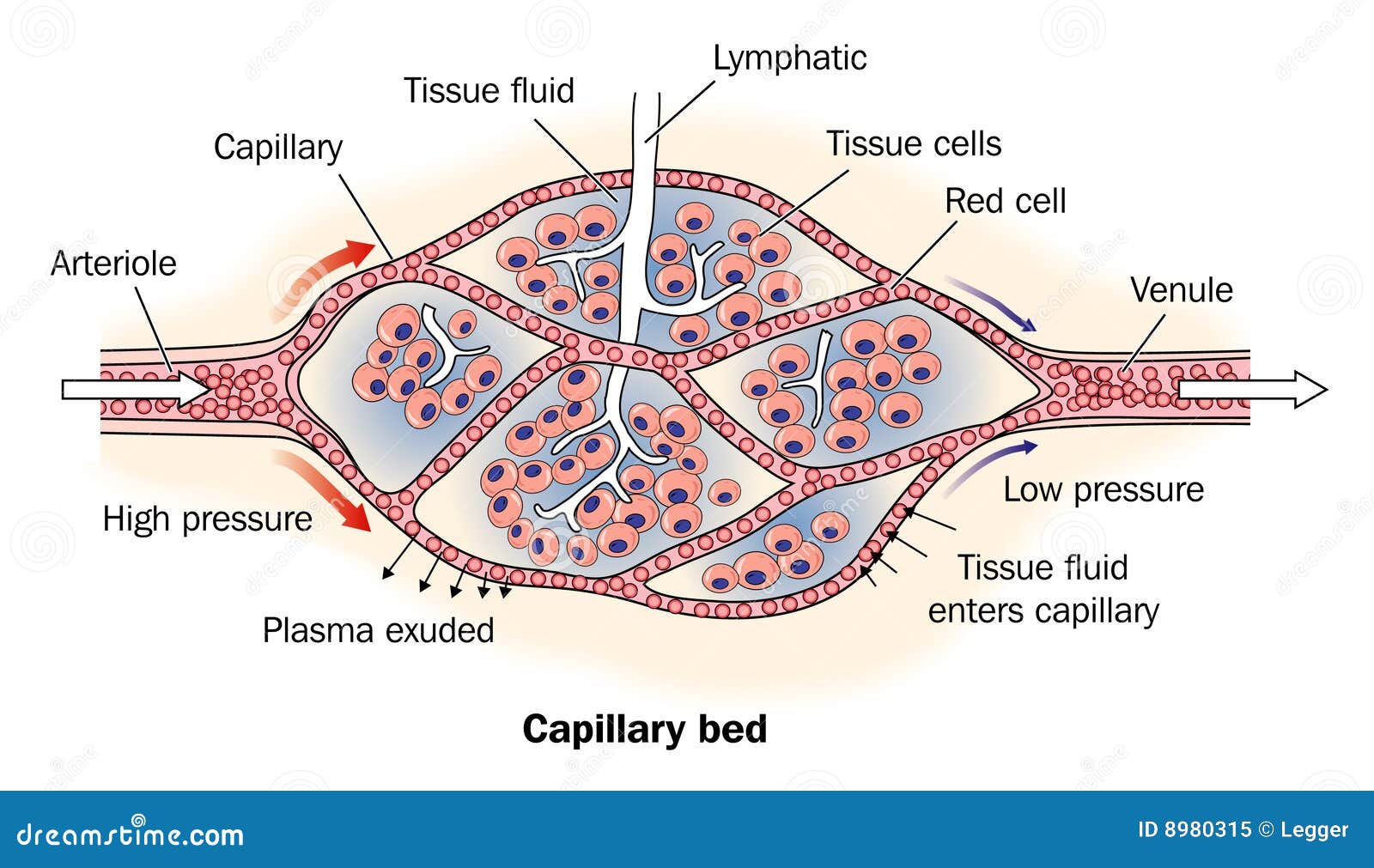
As time ticks forward, cellular metabolism consumes oxygen and dumps carbon dioxide into the venous blood. Because the lungs are closed off, oxygen diffuses out of the alveolar spaces into the pulmonary capillaries, while carbon dioxide output stalls.
[Deep Inhalation] ➔ [Alveolar O2 Peak / CO2 Dilution]
                         ↓
[Metabolic Consumption] ➔ [CO2 Accumulation & pH Drop]
                         ↓
[Chemoreceptor Trigger] ➔ [Involuntary Breakpoint]
The primary trigger to resume breathing isn't hypoxia—low oxygen—but hypercapnia, or rising carbon dioxide levels. Carbon dioxide reacts with water in your blood to form carbonic acid, dropping your blood pH. Specialized central chemoreceptors in the medulla oblongata and peripheral chemoreceptors in the carotid bodies detect this rising acidity.
- The Comfort Phase: The first 30 to 45 seconds feel calm. Voluntary control suppresses the respiratory centers easily.
- The Struggle Phase: As arterial carbon dioxide climbs past normal thresholds, rhythmic diaphragmatic contractions begin. Your body tries to force an inhalation.
- The Breakpoint: The chemical drive overwhelms conscious control. The diaphragm spasms involuntarily, forcing you to breathe regardless of your willpower.
Baseline Values and Clinical Relevance
In clinical and fitness settings, measuring post-inspiratory breath hold duration offers a fast, non-invasive proxy for respiratory efficiency. Healthy non-smoking adults typically score between 30 and 60 seconds. Smokers, sedentary individuals, or those with chronic conditions often drop below 25 seconds.
Medical practitioners look at this interval during physical assessments because structural and functional impairments alter gas exchange. For example, patients dealing with chronic obstructive pulmonary disease (COPD) struggle with air trapping and destroyed alveolar walls, which severely restricts effective gas storage.
Conditions that alter the breath holding interval include:
- Interstitial Lung Disease: Fibrotic tissue stiffens the lung parenchyma, preventing full expansion and reducing initial volume reserves.
- Heart Failure: Impaired cardiac output slows blood circulation through the lungs, causing early gas exchange bottlenecks.
- Anemia: Low hemoglobin counts mean fewer transport vehicles for oxygen, accelerating the onset of hypoxic stress during an apnea period.
According to guidelines from the American Thoracic Society, dynamic pulmonary testing requires precise spirometry, but simple breath hold metrics offer complementary insights into autonomic stability and chemosensitivity.
Training Methods for CO2 Tolerance
If you want to extend your breath holding interval, you aren't actually training your lungs to hold more air. You are training your brain to ignore distress signals from carbon dioxide accumulation.
Athletes use specialized protocols to shift their ventilatory threshold. Two primary routines dominate conditioning programs:
CO2 Tables
CO2 tables keep your rest intervals constant while shortening your breath hold times. For instance, you might perform eight rounds of breath holds starting at 60 seconds of holding followed by 90 seconds of rest. In subsequent rounds, you keep the 90-second rest period while dropping the hold time to 50 seconds, then 40 seconds. This floods your system with residual carbon dioxide without letting you fully clear it, forcing your brain to adapt to high-acid environments.
O2 Tables
O2 tables flip the logic by keeping the hold times long and decreasing the rest intervals. You might hold your breath for 90 seconds every time, but start with 2 minutes of rest, dropping the rest by 15 seconds each round. This trains your tissues to function efficiently under low oxygen saturation.
Physiological Adaptations to Regular Practice
Consistent breath-hold training triggers distinct changes in the cardiovascular and nervous systems. These adaptations mirror those found in marine mammals, though on a smaller scale.
The mammalian dive reflex activates whenever facial receptors contact cold water or when breath holding is combined with immersion. This reflex causes immediate peripheral vasoconstriction—shutting blood flow away from the limbs and skin to prioritize the brain and heart. Simultaneously, your heart rate drops significantly, a process known as bradycardia.
Furthermore, the spleen plays a secret role during extended breath holds. As oxygen levels drop, the spleen contracts, releasing a reserve packet of red blood cells into circulation to boost your overall hematocrit count temporarily. Research published by the National Institutes of Health highlights how spleen contraction optimizes oxygen delivery during prolonged apneic states.
Safety Protocols and Risks
Pushing your biological limits carries real hazards. The most dangerous mistake practitioners make is hyperventilating before a breath hold. Hyperventilation blows off massive amounts of carbon dioxide, artificially delaying the urge to breathe.
When you do this, your oxygen stores can drop to dangerous levels before your brain realizes you need air. This leads to hypoxic blackout—sudden loss of consciousness without any warning signs of air hunger.
To practice safely, keep these rules in mind:
- Never practice breath holding alone in or near water.
- Skip hyperventilation entirely; rely on normal, relaxed breathing before every attempt.
- Stop immediately if you experience dizziness, tunnel vision, or tingling extremities.
- Consult a healthcare provider if you have underlying cardiovascular or respiratory disorders.
Frequently Asked Questions
Does a longer breath hold mean healthier lungs?
Not necessarily. While a higher duration reflects good CO2 tolerance and respiratory muscle efficiency, it can also be influenced by psychological grit, body composition, and physical conditioning. It's a general wellness indicator rather than a standalone diagnostic score.
Can breath holding improve athletic performance?
Yes. Training your body to tolerate higher carbon dioxide levels helps runners and cyclists delay the burning sensation in their muscles during high-intensity intervals, improving overall movement efficiency and mental composure under physical distress.
Why do my fingers tingle during a long breath hold?
Tingling or numbness in your extremities stems from shifting blood pH and vasoconstriction. As carbon dioxide drops or shifts rapidly due to breathing changes, blood flow redistributes toward vital internal organs, leaving peripheral tissues temporarily undersupplied.
Is it normal to experience diaphragmatic contractions?
Spasms or contractions in your abdomen are completely normal toward the end of a long breath hold. These involuntary movements are your diaphragm attempting to contract against a closed airway as your brain tries to trigger an inhalation.