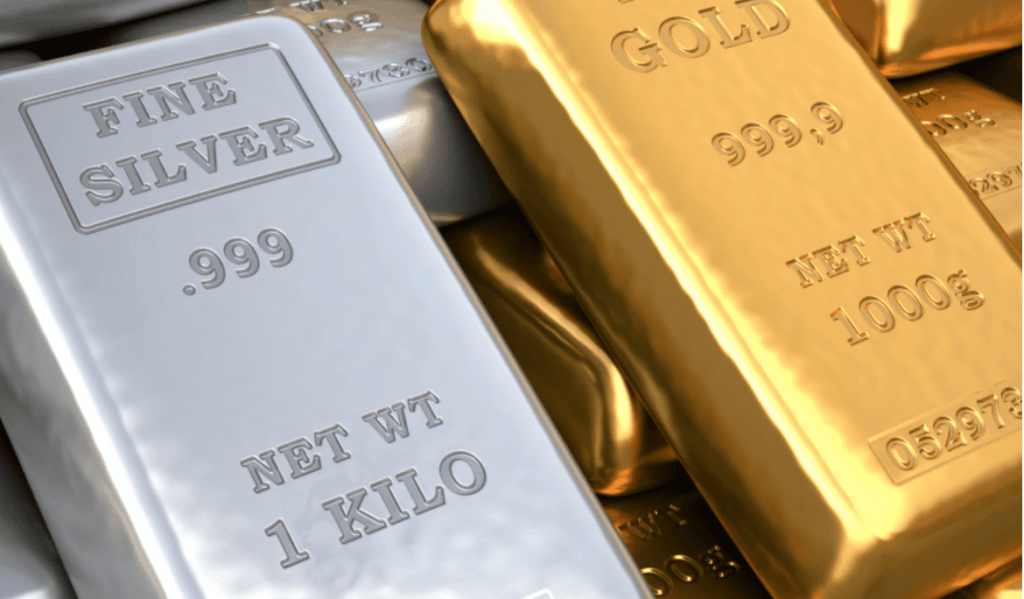
The silver spot price is the current market rate for immediate delivery of one troy ounce of physical silver. When tracking these live quotes, platforms like Kitco serve as major industry benchmarks by aggregating real-time bids and offers from global exchanges. Understanding how this baseline figure is calculated protects you from overpaying when buying bullion and ensures you get a fair valuation when selling.
Unlike fiat currency, silver occupies a unique dual role as both a precious monetary metal and a vital industrial commodity. This hybrid identity creates distinct price movements that often outpace gold in volatility. Whether you're tracking charts on Kitco or evaluating physical coin premiums, knowing the mechanics behind the spot quote transforms raw data into actionable investing insight.
How the Kitco Spot Price Is Generated
The figure you see flashing on a live pricing ticker isn't pulled out of thin air. Major price reporting agencies ingest continuous electronic trading data from institutional futures markets like the COMEX in New York and the London Bullion Market Association (LBMA).
- Bid vs. Ask Spread: The bid is the highest price a buyer is willing to pay at that exact second, while the ask is the lowest price a seller is willing to accept. The spot price typically reflects the active bid or the midpoint of this tight spread.
- Continuous Updates: During active global trading hours, spot quotes refresh every few seconds to reflect shifting supply, geopolitical news, and currency fluctuations.
- Global Benchmark Status: Because Kitco aggregates these institutional feeds into a clean public dashboard, retail investors and coin shops use it as a universal reference point for physical transactions.
Spot Price Versus Physical Retail Cost
A common misconception among beginner stackers is that you can buy physical silver at the exact spot price shown online. You can't. Physical silver products—such as American Silver Eagles, Canadian Maple Leafs, or generic 1-ounce bars—always trade at a retail price above spot.
This difference is called the dealer premium. Minting a one-ounce silver coin requires specialized manufacturing, security features, wholesale distribution, and dealer profit margins. Because silver has a lower absolute price per ounce than gold, the minting and handling overhead represents a much higher percentage of the total product cost, driving physical premiums up.
Key Drivers of Silver Market Valuations
Silver prices do not move in a vacuum. Several distinct macroeconomic and structural forces dictate whether the spot quote trends upward or plunges during a trading session.
Monetary Forces and the U.S. Dollar
Because precious metals are globally priced in U.S. dollars, a strong greenback often suppresses silver prices, making it more expensive for foreign buyers. Conversely, when real interest rates drop or inflation fears rise, investors rush toward hard assets. Silver correlates strongly with gold during these monetary shifts, acting as a traditional hedge against currency devaluation.
Industrial Demand and the Green Transition
Unlike gold, which sits mostly idle in bank vaults or jewelry boxes, more than half of annual silver consumption goes straight into industrial applications. Silver possesses the highest electrical and thermal conductivity of any element on Earth. This makes it irreplaceable in photovoltaic solar panels, electric vehicle charging infrastructure, semiconductor chips, and medical devices. When global manufacturing accelerates, industrial consumption pulls heavily against stagnant mine supply.
The Gold-Silver Ratio
Traders closely monitor the gold-silver ratio, which measures how many ounces of silver it takes to buy a single ounce of gold. Historically, this ratio fluctuates based on market sentiment. A rising ratio suggests silver is underperforming relative to gold, often signaling economic contraction or industrial slowdowns. A falling ratio indicates silver is gaining ground, frequently during aggressive bull markets where speculative retail and industrial demand surge together.
Common Mistakes When Tracking Market Quotes
Navigating precious metals data requires discipline. Avoid these frequent pitfalls to keep your strategy sound:
- Confusing Futures With Spot: Futures contracts involve agreements to buy metal at a set date in the future, which often include carrying costs or contango. Spot prices represent immediate physical delivery. Don't base physical purchases on distant contract months.
- Ignoring After-Hours Liquidity: When major institutional exchanges close for the weekend, spot quotes can gap down or up if overseas geopolitical events occur. Weekend retail pricing from online dealers often bakes in a buffer to account for this rollover risk.
- Overreacting to Micro-Volatility: Silver is notoriously volatile. Seeing a fifty-cent swing in an hour can trigger panic buying or selling. Always anchor your decisions to a broader asset allocation strategy rather than short-term market noise.
Frequently Asked Questions
Why is silver more volatile than gold?
The overall market capitalization of physical silver is a tiny fraction of gold's market size. Because fewer total dollars are required to move the silver market, identical institutional investment flows create much larger percentage swings in silver than in gold. The added variable of industrial demand introduces a second source of volatility.
How do I calculate the melt value of old silver coins?
Pre-1965 U.S. dimes, quarters, and half-dollars contain 90% silver. To find their intrinsic melt value, multiply the total weight of the pure silver content by the current live spot price per ounce. Most coin shops use standard conversion multipliers based on face value to speed up this math during over-the-counter transactions.
What is the London Fix and how does it relate to spot?
Historically, the London Fix was a twice-daily conference call where major bullion banks established a benchmark price for settling physical trades. While modern electronic platforms have largely automated continuous price discovery through the LBMA and COMEX, these historical benchmarks laid the groundwork for today's real-time digital feeds.
Does Kitco charge fees for using its spot price charts?
No. Live charts, historical data, and basic portfolio tracking tools on Kitco are free for public use. They generate revenue through their bullion retailing and refining divisions, allowing everyday investors to monitor live market conditions without a subscription.