Precious metal buyers often ask whether Indonesia silver prices are genuinely cheaper than Western markets. The short answer is yes for artisanal craftsmanship and domestic labor, but no for raw investment-grade bullion. Global spot prices dictate the baseline value of the metal anywhere you go. Local market dynamics, export taxes, and crafting fees change the final checkout total significantly.
If you plan to buy jewelry in Bali or source industrial bullion in Jakarta, understanding how regional pricing works prevents costly mistakes. Raw silver trades on international exchanges like the London Bullion Market Association using standardized pricing per troy ounce. Indonesia doesn't mine enough domestic silver to decouple from these global benchmarks, meaning physical metal imports carry standard shipping and insurance premiums.
The Reality of Raw Silver Bullion Costs in Indonesia
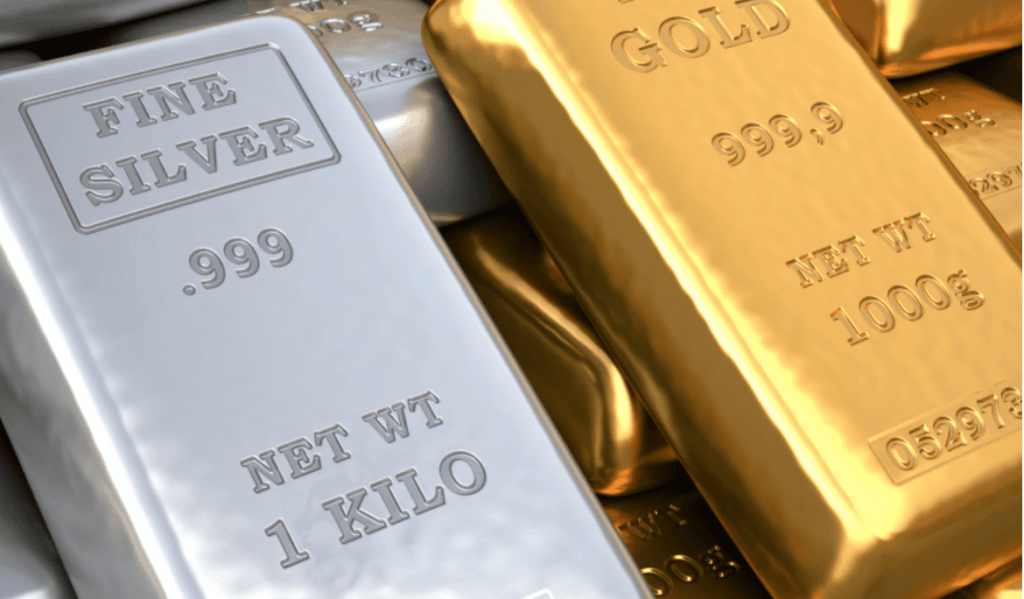
Buying bars or coins in Indonesia doesn't automatically mean finding a steep discount. International bullion dealers and local mints price fine silver close to the global spot rate converted into Indonesian Rupiah (IDR).
When you purchase investment-grade bars, you pay the spot price plus a manufacturing premium. Local dealers in major cities add overhead costs, import tariffs on foreign mint products, and security logistics. Buying local bullion minted by state-owned enterprises or authorized domestic refiners occasionally cuts down import markups. Even then, the savings rarely exceed a few percentage points compared to buying in Singapore or Hong Kong.
Tax regulations also play a major role in final costs. Indonesia applies a Value Added Tax (VAT) on precious metal transactions, though specific exemptions exist for raw or unrefined materials under certain commercial tiers. Retail buyers often absorb these taxes at the point of sale, erasing any illusion of a massive regional discount.
Craftsmanship and Jewelry: Where Indonesia Actually Saves You Money
While raw bars aren't bargain-bin items, silver jewelry and handmade artifacts tell a completely different story. Regions like Celuk village in Bali harbor generations of master silversmiths who produce intricate rings, cuffs, and statues by hand.
Labor costs in Indonesia sit well below North American or European standards. When you buy a handcrafted silver piece, you pay primarily for the artisan's time and artistry rather than high corporate retail markups. A custom sterling silver ring crafted in a local Indonesian workshop costs a fraction of what a comparable designer piece sells for in New York or London.
- Lower labor overhead: Artisans set prices based on local living expenses, which reduces the per-hour design charge.
- Direct-to-consumer access: Buying straight from family-run workshops in Bali bypasses middleman distributor fees.
- Abundant local skill: High concentration of silversmithing talent creates healthy local competition.
Hidden Costs When Buying Silver Abroad
Tourists and foreign investors frequently miscalculate the total expense of acquiring silver products overseas. Bringing large amounts of physical silver across international borders triggers strict customs declarations and potential duties.
Carrying physical bullion or high-value jewelry through Indonesian customs requires careful documentation. Exceeding personal allowance limits without declaring items risks heavy fines or item confiscation at the airport. Furthermore, if you plan to export commercial quantities of silver goods, you must navigate complex trade permits and export duties governed by the Ministry of Trade of the Republic of Indonesia.
Exchange rate volatility also eats into potential savings. Converting foreign currency into Indonesian Rupiah incurs bank transfer fees, credit card foreign transaction charges, or unfavorable kiosk exchange rates. These hidden financial leaks quickly offset a minor discount on the sticker price.
Purity Pitfalls: Sterling vs. Fine Silver in Local Markets
Another factor influencing whether Indonesian silver is truly a good deal involves metal purity. Street markets and tourist bazaars sometimes market items as silver without adhering to international hallmark standards.
Fine silver contains 99.9% pure metal, making it too soft for daily-wear jewelry. Sterling silver uses a 92.5% alloy mix with copper to add durability. Unscrupulous vendors occasionally sell lower-grade nickel alloys, Tibetan silver, or plated brass disguised as genuine sterling.
- Look for official hallmarks like 925 stamped discreetly inside ring bands or clasps.
- Request a certificate of authenticity from established galleries rather than street vendors.
- Perform a basic magnet test, as genuine silver is not magnetic.
Common Mistakes to Avoid
Buyers often rush into purchasing precious metals abroad without doing adequate homework. Avoiding these common missteps ensures your purchase remains a smart financial move.
- Failing to check the daily spot price: Always check the live per-gram IDR rate before heading to a jewelry shop so you know the baseline cost of the raw metal.
- Ignoring tourist markups: Shops located directly inside heavy tourist hubs inflate prices by 50% to 200%. Traveling slightly off the beaten path to artisan cooperatives yields fairer pricing.
- Neglecting return logistics: Buying heavy silver pieces abroad makes warranty claims or returns nearly impossible once you fly home.
Frequently Asked Questions
Is silver cheaper in Bali than in Western countries?
Raw silver bars cost roughly the same globally due to international market pricing. However, handmade silver jewelry and custom artisan pieces are significantly cheaper in Bali because of lower local labor costs.
Do I have to pay taxes when buying silver in Indonesia?
Retail purchases typically include a Value Added Tax (VAT). If you export large commercial quantities, official export duties and licensing requirements apply through government trade channels.
How can I verify if Indonesian silver jewelry is real?
Look for a 925 stamp, test the item with a strong magnet, and purchase from reputable workshops in recognized crafting districts like Celuk rather than temporary street stalls.
Can I bring large amounts of silver back through airport customs?
Yes, but you must declare high-value precious metals or commercial quantities according to local and home-country customs regulations to avoid seizure or heavy fines.