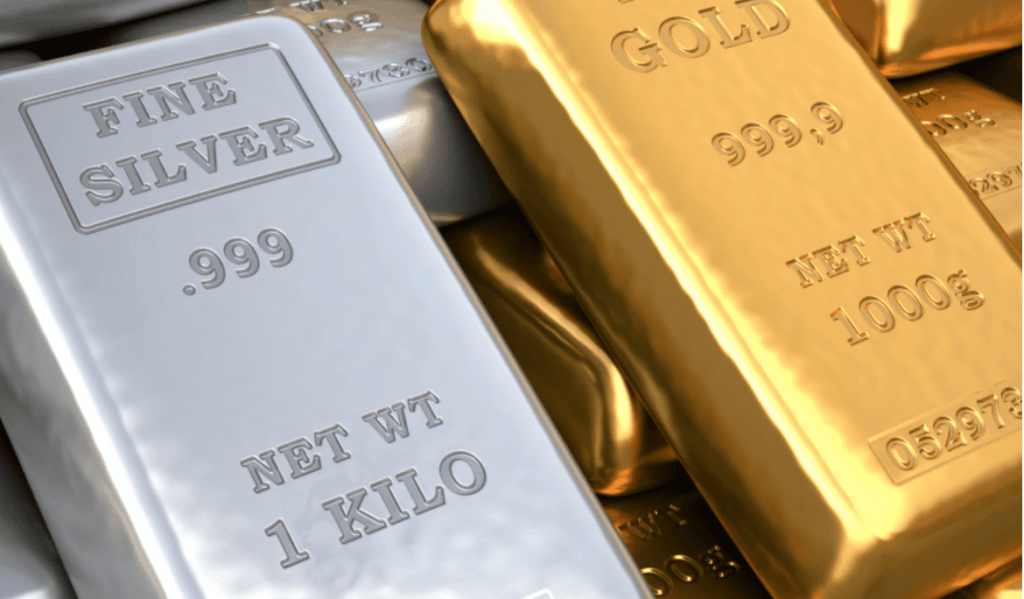
Tracking the silver rate on Kitco reveals a market prone to sharp, dramatic swings. Unlike gold, which behaves primarily as a conservative safe-haven asset, silver acts as both a precious monetary metal and a heavily consumed industrial raw material. This dual identity makes silver price volatility a structural reality rather than an anomaly. When macroeconomic sentiment shifts, silver reacts with greater velocity and amplitude than its yellow counterpart.
Understanding why these price spikes and sudden selloffs happen requires looking beyond daily chart noise. Silver's market depth, industrial consumption patterns across solar and electronics sectors, and its relationship with the U.S. dollar and global interest rates all dictate how spot prices move on major pricing benchmarks.
Market Structure and Liquidity: The High-Beta Effect
The primary engine behind silver's volatility is simple arithmetic: the market is relatively small. Gold's total market capitalization is several times larger, and global gold trading volume dwarfs silver's daily turnover.
When large institutional funds, exchange-traded fund (ETF) flows, or speculative traders shift capital into precious metals, the sheer volume hits a much shallower pool. Think of it like dropping a large stone into a small wading pool versus a deep lake; the displacement is far more violent. Because liquidity is thinner, identical capital inflows or outflows cause silver prices to lurch much harder in percentage terms, earning it the label of high-beta gold.
- Shallow Depth: Smaller daily trading volumes mean large orders move spot prices rapidly.
- Speculative Amplification: Momentum traders often chase silver breakouts, accelerating upward rallies or deepening downward plunges.
- Margin Adjustments: Futures exchanges like the CME periodically raise margin requirements during high-volatility periods, forcing leveraged traders to liquidate positions quickly.
Dual Demand: Industrial Consumption Meets Investment
Most commodities are driven solely by industry, and most monetary assets are driven solely by investor sentiment. Silver occupies a rare middle ground, answering to two distinct demand masters at once.
On the industrial side, silver is an irreplaceable component in electronics, medical applications, automotive manufacturing, and photovoltaic cells for solar panels. When green energy infrastructure spending accelerates, industrial consumption surges. If physical supply fails to keep pace, structural deficits emerge.
On the investment side, retail buyers stack physical coins and bars while institutional players utilize financial products like the iShares Silver Trust to gain exposure. When macroeconomic uncertainty climbs, investment demand spikes. When industrial demand and monetary demand point in the same direction, silver experiences massive rallies. When they diverge—such as industrial demand slowing during a manufacturing contraction while safe-haven flows stall—the price corrects sharply.
Macroeconomic Triggers: Rates, Inflation, and the Dollar
Like all precious metals, silver prices respond intensely to macroeconomic policy set by central banks such as the U.S. Federal Reserve. Traders monitor economic indicators closely to anticipate monetary shifts:
- Real Interest Rates: When nominal interest rates drop below inflation, the opportunity cost of holding non-yielding assets like silver decreases, drawing fresh capital into the market.
- The U.S. Dollar Index (DXY): Because silver is globally priced in U.S. dollars, a rising greenback makes the metal more expensive for international buyers, often suppressing prices. Conversely, a weakening dollar acts as a tailwind.
- Inflation Expectations: Investors frequently turn to precious metals as a hedge against currency devaluation when consumer price indexes rise faster than anticipated.
The Gold-Silver Ratio as a Positioning Metric
One of the oldest tools used to gauge market value is the gold-silver ratio, which measures how many ounces of silver it takes to buy a single ounce of gold. Throughout modern history, this ratio has fluctuated widely, reflecting how the two metals respond differently to economic cycles.
During severe economic contractions or panics, investors rush into gold while industrial metals sell off, causing the ratio to climb. During reflationary periods marked by economic stimulus and industrial recovery, silver typically outperforms gold, driving the ratio downward. Tracking this metric helps traders identify whether silver is historically cheap or expensive relative to gold.
Common Mistakes When Trading Silver Volatility
Navigating rapid price swings requires discipline. Retail participants often stumble by ignoring how structural volatility impacts execution and risk management:
- Over-Leveraging Futures: Using excessive leverage on short-term contracts leaves accounts vulnerable to sudden intraday spot reversals.
- Ignoring Physical Premiums: During periods of high retail demand, the physical price of coins and small bars can detach significantly from spot quotes due to minting and distribution bottlenecks.
- Treating Silver Like Gold: Expecting silver to act as a stable defensive anchor during a market crash ignores its industrial beta; silver frequently drops alongside equities during initial risk-off liquidity crunches.
Frequently Asked Questions
Why does silver often drop harder than gold during market selloffs?
Because silver has heavy industrial exposure, it tends to correlate with broader base metals and equities during the initial stages of an economic slowdown or liquidity squeeze, whereas gold benefits directly from immediate safe-haven hoarding.
How do solar panel manufacturing trends affect spot prices?
Photovoltaic cell production requires continuous physical silver inputs. Rapid expansions in global solar energy projects drive up industrial consumption, which can strain supply chains and tighten physical inventories over time.
What is a structural supply deficit in the silver market?
A structural deficit occurs when total annual global demand—combining industrial fabrication, photography, jewelry, and net physical investment—exceeds total annual supply from mine production and recycling. Persistent deficits deplete visible vault inventories.
How can investors track live silver movements?
Market participants rely on real-time spot pricing feeds from global benchmarks like Kitco to monitor minute-by-minute price action, historical charts, and relative performance metrics like the gold-silver ratio.