The relationship between tectonic movement and planetary cooling reveals how Earth's geography dictates global weather systems. While ice ages are commonly attributed to astronomical variations known as Milankovitch cycles, the slow migration of continental landmasses over millions of years sets the baseline for whether an ice age can occur at all.
When continents drift into polar regions, they trap ice sheets that cannot easily melt, altering ocean circulation and global albedo. Understanding this deep-time feedback loop requires examining how plate tectonics reshaped ancient geography and transformed our understanding of prehistoric climate dynamics.
Tectonic Foundations of Global Glaciation
Earth's crust is divided into massive plates that constantly shift atop the mantle. Over hundreds of millions of years, this movement reorganizes ocean basins and mountain ranges, fundamentally altering how heat moves around the globe.
[Tectonic Plate Movement] ---> [Ocean Gateway Opening/Closing] ---> [Global Current Re-routing] ---> [Ice Sheet Formation]
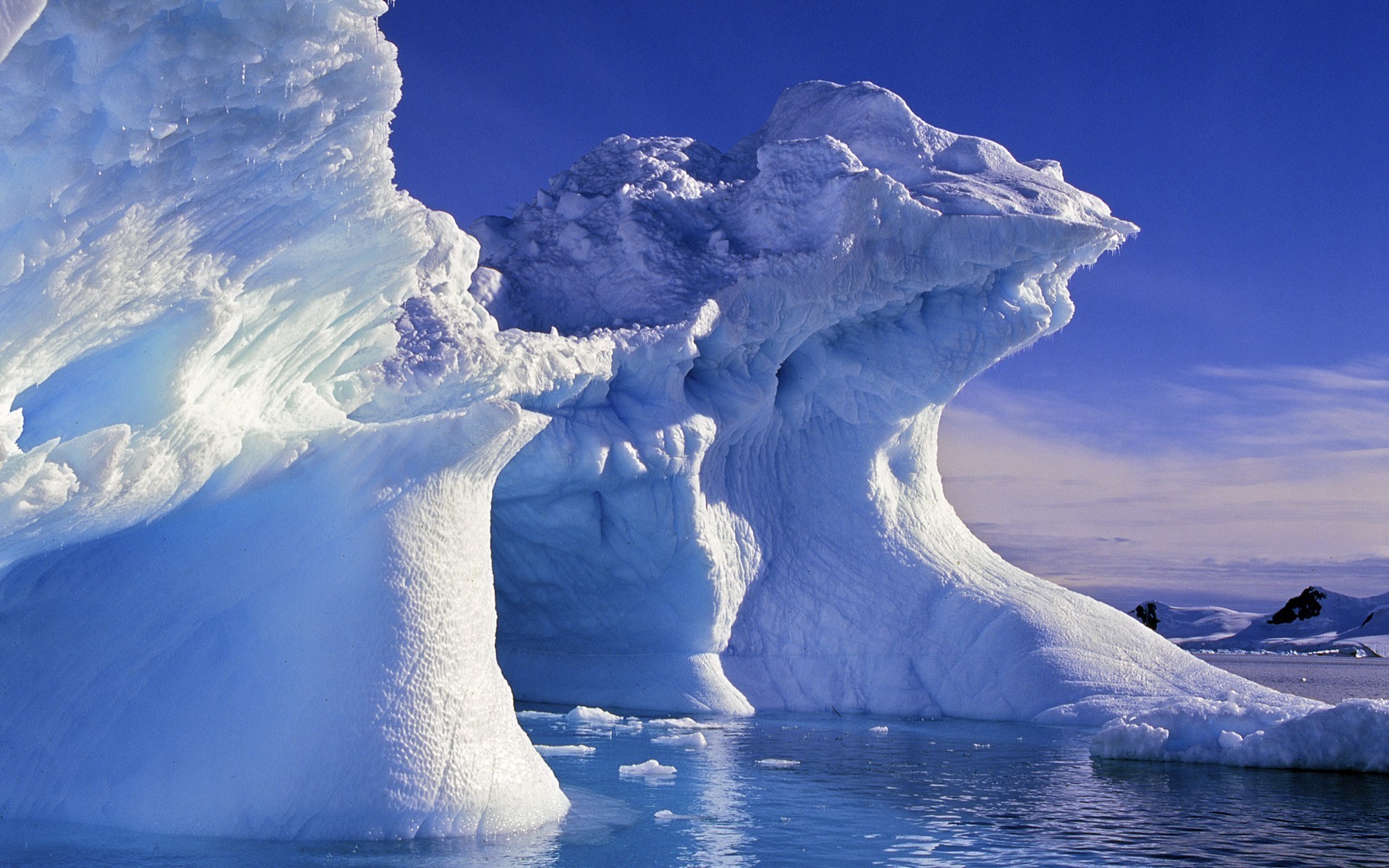
When landmasses block warm equatorial currents from reaching the poles, polar regions cool significantly. For instance, the drift of Antarctica toward the South Pole during the Cenozoic era isolated the continent, allowing permanent ice sheets to take root.
The Role of Ocean Gateways
Oceanic gateways act as valves for global heat distribution. As tectonic plates pull apart or collide, they open or close critical seaways that govern marine circulation.
- The Drake Passage: The separation of South America and Antarctica opened the Drake Passage roughly 41 million years ago. This monumental tectonic shift triggered the Antarctic Circumpolar Current, which completely ringed the southern continent and cut it off from warm tropical waters.
- The Isthmus of Panama: The eventual closure of the Central American seaway altered Atlantic and Pacific current dynamics, intensifying moisture transport toward high northern latitudes and helping prime the planet for Northern Hemisphere glaciation during the Pleistocene.
These gateway shifts demonstrate that ice ages don't happen in a vacuum. Without specific continental configurations, even strong orbital forcing wouldn't produce massive continental ice sheets.
Mountain Building and Atmospheric Alteration
Continental collisions do more than redirect ocean water; they thrust massive mountain chains into the upper atmosphere, altering wind patterns and atmospheric chemistry.
When tectonic plates smash together—such as the collision driving the rise of the Himalayas or the North American Cordillera—they expose fresh silicate rock to weathering. This chemical weathering process pulls carbon dioxide out of the atmosphere over geological timescales.
As atmospheric $CO_2$ levels drop, the greenhouse effect weakens, cooling global temperatures. Furthermore, high mountain ranges force prevailing winds upward, generating heavy snowfall that accumulates year-round into permanent glaciers.
Weathering and Carbon Drawdown
The rate of chemical weathering spikes dramatically during major tectonic uplift events. Rainwater absorbs atmospheric carbon dioxide, forming weak carbonic acid that dissolves silicate minerals in newly exposed mountain rock.
- Tectonic collision thrusts silicate-rich rock upward.
- Rainwater reacts with atmospheric $CO_2$ to form carbonic acid.
- Minerals weather away, locking carbon into stable bicarbonate ions washed into the oceans.
- Marine organisms use these ions to form shells, eventually burying the carbon on the ocean floor.
This natural drawdown mechanism acts as a planetary thermostat, occasionally tipping a warm greenhouse world into a cold icehouse state when tectonic activity peaks.
Ice-Albedo Feedback and Continental Positioning
Once ice sheets begin to form on high-latitude landmasses, a powerful feedback loop takes over. Ice and snow have a high albedo, meaning they reflect a vast majority of incoming solar radiation back into space rather than absorbing it.
If continents were clustered entirely near the equator, ice sheets couldn't form regardless of temperature because solar radiation is too intense. By positioning landmasses near the poles, plate tectonics hands the climate system a canvas upon which ice can accumulate and persist through seasonal cycles.
- Polar Landmasses: Provide a stable, elevated platform for ice sheets to grow thousands of meters thick.
- Sea Ice vs. Land Ice: While sea ice forms easily, it melts rapidly during warming phases. Continental ice sheets store vast volumes of locked water over hundreds of thousands of years.
According to research published by the Geological Society of London, tectonic arrangements dictate not just the onset of glacial periods, but also their rhythm and severity across different geological epochs.
Reconstructing Ancient Climates
Paleoclimatologists don't guess how ancient continents moved; they read the physical and chemical records left behind in rocks, ocean sediments, and ice cores. By analyzing magnetic minerals trapped in cooling lava flows and sedimentary layers, researchers reconstruct the exact latitude and orientation of continents millions of years ago.
Isotope analysis provides another crucial piece of the puzzle. The ratio of oxygen isotopes ($^{18}O$ to $^{16}O$) found in ancient marine microfossils reveals past ocean temperatures and global ice volumes. When combined with plate tectonic models, these geochemical markers paint a detailed picture of how shifting landmasses altered regional climates long before human record-keeping began.
Frequently Asked Questions
Does continental drift still affect our modern climate?
Yes, but tectonic movement happens extremely slowly—typically just a few centimeters per year. While plate tectonics won't cause noticeable climate shifts on a human timescale, it continuously reshapes ocean floors and volcanic activity, subtly influencing long-term global carbon cycles.
Why didn't ice ages happen continuously throughout Earth's history?
Ice ages require a precise combination of low greenhouse gas levels, specific astronomical cycles, and continental landmasses situated near the poles. Throughout much of Earth's history, higher $CO_2$ levels and different continental arrangements kept the planet ice-free.
How do scientists track where continents were millions of years ago?
Geologists use paleomagnetism. As molten rock cools, iron-rich minerals align with Earth's magnetic field, pointing toward the magnetic poles. By measuring this trapped orientation in rocks of various ages, researchers map out ancient continental drift paths with high precision.
What is the primary driver of glacial-interglacial cycles during an ice age?
While tectonic drift sets the stage by creating polar landmasses and ocean gateways, Milankovitch cycles—periodic variations in Earth's orbit, axial tilt, and precession—trigger the actual advance and retreat of ice sheets on a 20,000 to 100,000-year cycle.