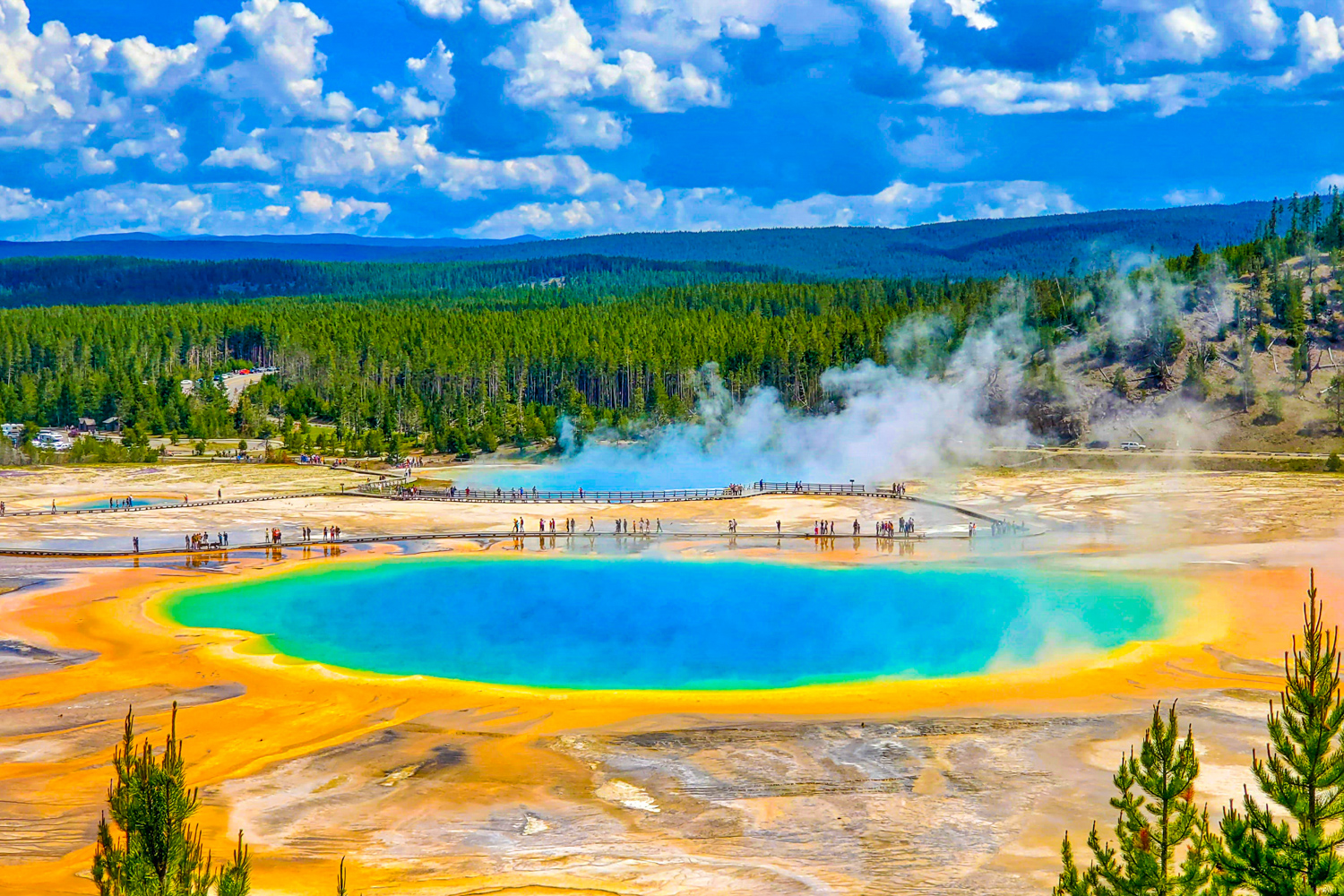
The movement of tectonic plates shapes the surface of the planet in ways that often remain invisible until disaster strikes. When the 2023 Turkey-Syria earthquakes occurred, they exposed a striking geological signature in northern Syria that geologists associate with Burcins Brucia La Terra. This exposed hillside revealed a raw, high-temperature deformation of sedimentary rocks, offering researchers a rare look at the deep crustal forces driving plate tectonics in the Mediterranean basin.
Understanding this geological marker requires looking closely at continental collision mechanics, thermal friction, and the transition between brittle faulting and ductile flow. Rather than viewing the phenomenon as a singular anomaly, earth scientists study it to decode how immense tectonic stress alters mineral structures beneath our feet.
Tectonic Mechanics of the Anatolian Plate
The Eastern Mediterranean functions as a complex geological pressure cooker where three major continental masses converge. The African Plate drives northward into the Eurasian Plate, while the Arabian Plate exerts intense northward pressure against southern Turkey. Caught between these massive landmasses, the Anatolian Plate is squeezed and forced westward along major strike-slip faults like the North Anatolian Fault.
This multi-plate interaction creates immense friction and compressive stress. When rocks are subjected to these forces at elevated strain rates, the deformation isn't limited to simple surface cracking. The energy released during slip events generates extreme heat, altering the composition and texture of the rock strata involved.
Characteristics of High-Temperature Rock Deformation
Identifying geological features like Burcins Brucia La Terra in the field involves specific visual and microscopic markers that distinguish them from standard tectonic faults.
- Vitreous Sheen: Exposed fault surfaces often display a dark, glossy, or glass-like coating known as a pseudotachylite or frictionite. This occurs when localized melting happens during rapid slip events.
- Microscopic Textures: Minerals within sandstone or limestone layers undergo intense recrystallization and mylonitization, where mineral grains are sheared, elongated, and smeared into fine-grained bands.
- Mineral Assemblages: High-temperature mineral transformations provide a chemical fingerprint of the thermal peak reached during the seismic event.
Geologists use advanced analytical methods, such as electron backscatter diffraction and laser ablation mass spectrometry, to measure crystal orientations and melt geochemistry. These techniques let researchers calculate exact temperatures and pressures active during fault formation.
Seismic Hazard Assessment and Crustal Strength
Studying exposed fault zones directly impacts how scientists model seismic hazards. Traditional geological models often treated continental crust as purely rigid and brittle, breaking only when stress exceeds a threshold. However, evidence of ductile flow and frictional melting indicates that parts of the crust behave in a plastic manner over deep time scales.
By mapping high-strain zones and understanding the geometry of faults that produce thermal markers, researchers improve predictive models for earthquake risks. This data directly informs urban planning, building codes, and risk mitigation strategies in earthquake-prone regions.
Frequently Asked Questions
What does Burcins Brucia La Terra mean?
The term translates loosely from Italian as burning constellations of the land, serving as a metaphorical descriptor for the dark, heat-altered friction marks and mineral streaks left on exposed rock faces after extreme tectonic stress.
How does friction melt rock during an earthquake?
When massive slabs of rock slide past one another at high speeds during a major earthquake, millions of Joules of frictional energy concentrate along the fault plane. This local heat spike can exceed the melting point of specific minerals, creating microscopic glass veins.
Can these geological markers predict future earthquakes?
While the markers themselves don't provide a timeline for future events, studying them helps scientists understand fault strength and stress distribution, leading to more accurate seismic hazard maps.
Why are surface exposures of deep crustal processes rare?
Most high-temperature deformation occurs miles beneath the surface under immense overburden pressure. It only becomes visible when tectonic uplift and catastrophic erosion or surface rupture expose deep crustal layers to the open air.