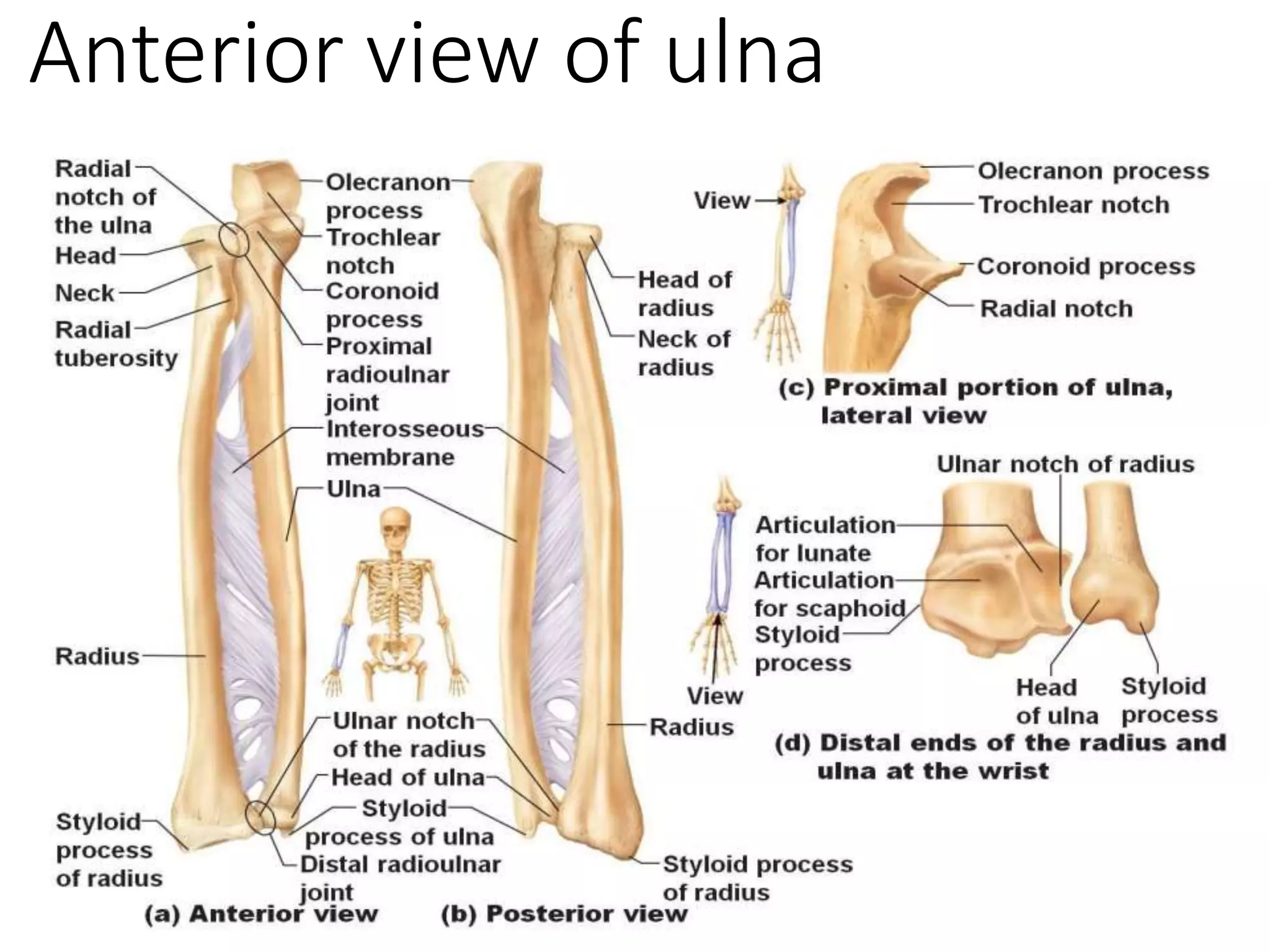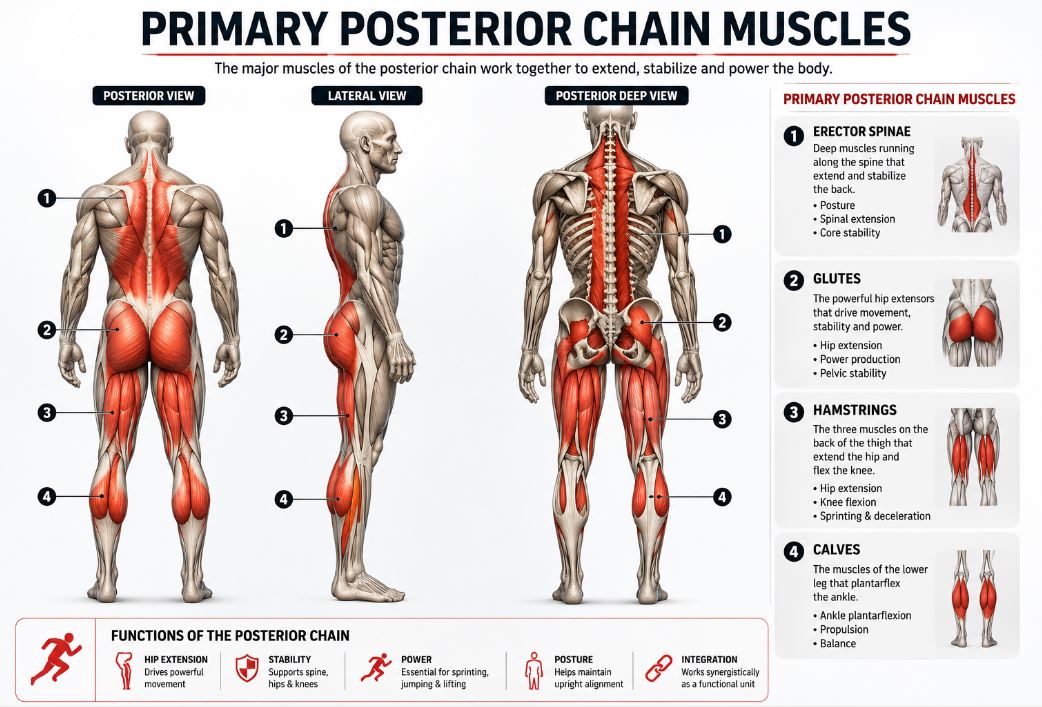
Healing a broken bone takes time, proper nutrition, and targeted support. When medical professionals talk about bone mineralization during the recovery phase, they're looking at how calcium and phosphate crystallize into the collagen matrix to harden new bone tissue. Supplements like oscal often come up in patient discussions as a way to support this mineral deposition, especially for individuals recovering from complex fractures or managing low bone mass.
Understanding how targeted calcium intake affects fracture repair helps patients make informed choices alongside their orthopedic care team. While a standard diet provides baseline nutrients, acute bone breaks demand specific mineral availability to accelerate hard callus formation and structural remodeling. Let's look at how bone mineralization works during fracture recovery, where calcium supplementation fits in, and what clinical evidence actually shows.
The Physiology of Bone Mineralization After a Fracture
When a bone breaks, the body initiates a complex, multi-stage repair process. It starts with an inflammatory phase that clears debris, followed by a soft callus phase where a cartilage bridge forms across the fracture site. The critical turning point is the hard callus phase, which relies entirely on bone mineralization.
During mineralization, osteoblasts deposit calcium and phosphate ions into the organic extracellular matrix. These ions form hydroxyapatite crystals, which give the healing bone its rigidity and load-bearing strength. Without adequate mineral supply in the bloodstream, this hardening process slows down, potentially leading to delayed union or non-union fractures.
- Inflammatory Phase: Blood clots form at the break site, and immune cells clear damaged tissue.
- Soft Callus Phase: Fibroblasts and chondrocytes build a soft bridge of collagen and cartilage.
- Hard Callus Phase: Osteoblasts replace the soft bridge with woven bone through active mineralization.
- Remodeling Phase: Osteoclasts and osteoblasts reshape the bone back to its original contour.
For this biological machinery to run smoothly, the body needs a steady, bioavailable supply of calcium and supporting micronutrients like vitamin D3 and magnesium. This is where clinical supplementation enters the conversation for patients with dietary gaps or compromised bone density.
The Role of Calcium Supplements in Orthopedic Recovery
Patients frequently ask whether taking calcium supplements speeds up bone healing after a fracture. The short answer is that supplements won't force a bone to heal faster if your diet already meets daily requirements, but they prevent deficiencies that could stall recovery.
When a fracture occurs, the body's metabolic demand for calcium increases. If dietary intake falls short, the body will pull calcium from healthy skeletal reservoirs elsewhere in the body to support the repair site. Maintaining optimal serum calcium levels ensures that the fracture site has priority access to the building blocks it needs without weakening the rest of the skeleton.
- Daily Requirements: Adults generally need between 1,000 mg and 1,200 mg of calcium daily, depending on age and biological sex.
- Absorption Limits: The human body absorbs calcium most efficiently in doses of 500 mg or less at a time, making split dosing more effective than a single large pill.
- Co-factors: Vitamin D3 is non-negotiable; without it, intestinal absorption of calcium drops significantly.
Clinical guidelines from organizations like the National Institutes of Health Osteoporosis and Related Bone Diseases National Resource Center emphasize that supplementation should complement, not replace, a nutrient-dense diet rich in leafy greens, dairy or fortified plant alternatives, and lean proteins.
Evaluating Supplement Options and Patient Safety
Not all calcium supplements are formulated the same way. The two most common forms found in formulations like oscal are calcium carbonate and calcium citrate. Each has distinct pharmacological properties that affect how patients should take them.
Calcium carbonate requires stomach acid for optimal absorption, so it's best taken with a meal. Calcium citrate is acid-independent, making it a preferred option for older adults or individuals taking acid-reducing medications like proton pump inhibitors.
- Calcium Carbonate: Contains a higher percentage of elemental calcium (about 40% by weight) and is typically more affordable.
- Calcium Citrate: Contains about 21% elemental calcium by weight, meaning more pills are needed to reach the same dose, but it's gentler on the digestive tract.
- Gastrointestinal Side Effects: High doses of calcium can sometimes cause constipation or mild bloating, which can be managed with adequate hydration and fiber intake.
Before starting any new supplement regimen after a fracture, patients should consult their orthopedic surgeon or primary care physician. Excessive calcium intake can lead to hypercalcemia or interact poorly with certain prescription medications, including specific antibiotics and blood pressure drugs.
Nutritional Synergy Beyond Calcium
Bone mineralization is a team effort. Relying on calcium alone is like having bricks without mortar. Several other vitamins and minerals work synergistically to ensure that calcium is properly directed into the bone matrix rather than soft tissues or blood vessels.
Vitamin K2 plays a vital role by activating osteocalcin, a protein that binds calcium ions and anchors them into the bone extracellular matrix. Meanwhile, magnesium acts as a cofactor that helps convert vitamin D into its active form, while also influencing the crystal size of hydroxyapatite.
- Vitamin D3: Enhances intestinal absorption of calcium and phosphorus.
- Vitamin K2: Directs calcium into the skeleton and away from arterial walls.
- Magnesium: Supports bone crystal formation and parathyroid hormone regulation.
- Protein: Provides the collagen framework upon which mineral crystals deposit.
Eating a balanced diet that includes fish, nuts, seeds, and colorful vegetables provides these essential co-factors naturally, supporting the body's native healing capacity.
Frequently Asked Questions
Can calcium supplements make a broken bone heal faster?
Supplements don't act as an accelerator for healthy individuals with normal diets, but they ensure the body has sufficient raw materials. If a patient has an underlying deficiency, correcting it prevents delayed healing.
Is calcium carbonate better than calcium citrate for bone recovery?
Neither is universally "better." Calcium carbonate is cost-effective and contains more elemental calcium per pill, while calcium citrate is easier to absorb for people with low stomach acid.
How long should I take bone health supplements after a fracture?
Most orthopedic specialists recommend maintaining optimized nutritional intake throughout the entire remodeling phase, which can span several months depending on the bone involved.
Can you take too much calcium during fracture recovery?
Yes. Exceeding the upper tolerable limit (typically 2,000 to 2,500 mg daily from all sources combined) can lead to kidney stones, impaired absorption of other minerals, and hypercalcemia. Always follow medical guidance.