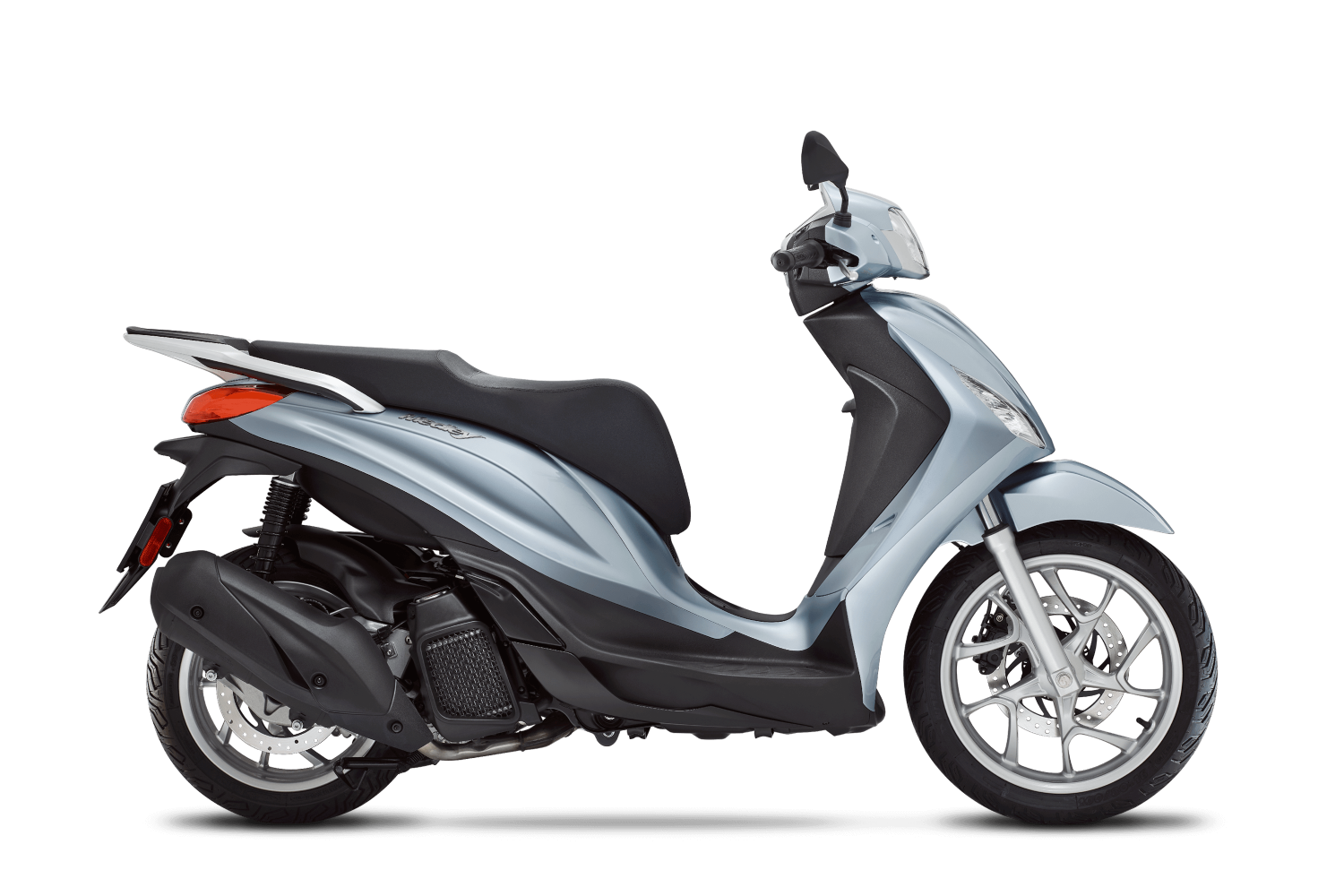
Hitting the milestone for your scooter's follow-up maintenance check can raise a few questions. The Vario 160 second service usually arrives around 3,000 kilometers or a few months after your initial break-in period, acting as a vital checkpoint to keep your engine running smoothly and catch minor assembly settling before it turns into a costly repair.
Knowing what technicians actually check helps you avoid unnecessary upsells while ensuring your ride stays safe and responsive on busy city streets.
When is the Second Service Due?
Most manufacturers map maintenance intervals by distance or time, whichever comes first. For the Honda Vario 160, the second service typically falls around the 3,000 km mark (or roughly 2,000 miles depending on regional manual guidelines).
If you don't use your scooter for daily long-distance commutes, you might hit the time threshold—usually around six months of ownership—before reaching the odometer target. Sticking close to this schedule preserves your warranty coverage and catches factory break-in wear early.
The Complete Vario 160 Second Service Checklist
Unlike the first service, which focuses heavily on flushing out initial metal shavings from the brand-new engine, the second service broadens its scope to inspect high-friction components and electrical systems.
Engine Oil and Filter Inspection
Fresh engine oil remains the core of any standard service. During your break-in period, microscopic metal burrs shear off internal components and suspend themselves in the fluid.
- Oil Drain and Replacement: Fresh oil goes in to protect moving parts from premature friction. Don't let local service shops talk you into unnecessarily frequent changes if you're using proper semi-synthetic or full-synthetic blends specified in the manual.
- Dipstick Check: After the new oil goes in, technicians run the engine briefly, shut it down, and check the dipstick level to prevent overfilling or oil starvation.
CVT Drive Belt and Transmission Check
Automatic scooters rely on a Continuously Variable Transmission rather than traditional gearboxes. Neglecting this system leads to sudden power loss on inclines.
- Belt Wear Inspection: The mechanic should remove the CVT case cover to check the rubber drive belt for cracking, fraying, or thinning along the ribs.
- Roller Weights: Inspecting the weight rollers for flat spots ensures smooth acceleration without stuttering when you twist the throttle.
- Gear Oil Swap: While separate from engine oil, the final drive gear oil also gets evaluated or changed during early major services to protect rear-wheel transmission gears.
Braking System and Fluid Evaluation
Stopping power matters more than acceleration, especially in heavy urban traffic where sudden stops happen constantly.
- Brake Pad Thickness: Technicians measure pad material against the minimum wear limit. If you ride aggressively in stop-and-go traffic, these wear down faster than expected.
- Fluid Level and Leaks: Hydraulic fluid lines get checked for spongy lever feel, and caliper slider pins receive fresh grease to prevent sticking.
Tires, Suspension, and Chassis Fasteners
Vibration from daily riding shakes bolts loose over the first few thousand kilometers.
- Torque Check: Mechanics should tighten structural chassis bolts, axle nuts, and handlebar fasteners to factory specifications.
- Tire Pressure and Tread: Checking the front and rear tire pressures prevents uneven tread wear and poor fuel economy.
- Steering Head Bearings: A quick check ensures the front fork turns smoothly without locking or clicking in the center position.
Common Mistakes Owners Make During Service
Avoiding a few classic traps saves you money and keeps your scooter out of the repair bay longer.
- Skipping the manual guidelines: Some regional service centers push aggressive 1,000 km intervals purely for extra revenue. Read your official owner's manual to know the true manufacturer recommendations.
- Ignoring CVT maintenance: Focusing only on the engine while ignoring the transmission belt leads to unexpected roadside breakdowns.
- Neglecting tire pressure checks: Adjusting pressures only when tires look flat ruins handling and burns extra fuel. Always check them when the rubber is cold.
For more details on keeping your two-wheeler in top shape, you can review general guidelines on Honda Motorcycle After-Sales Maintenance or consult official resources like the Boon Siew Honda Owner Manual Data.
Frequently Asked Questions
Do I have to use expensive fully synthetic oil?
Not unless specified by your local warranty guidelines. Standard high-grade motorcycle oil matching the viscosity rating in your manual provides all the protection your scooter needs.
How long does the second service take?
If you book an appointment in advance, most service centers complete the inspection, oil change, and adjustments within 45 to 90 minutes.
Will skipping this service void my warranty?
Yes. Missing scheduled service intervals documented in your logbook gives manufacturers grounds to deny warranty claims if an engine or transmission part fails later.
What should I check myself before heading to the shop?
Look over your tire tread depth, test your lights and horn, and listen for any unusual rattles coming from the CVT casing during acceleration.