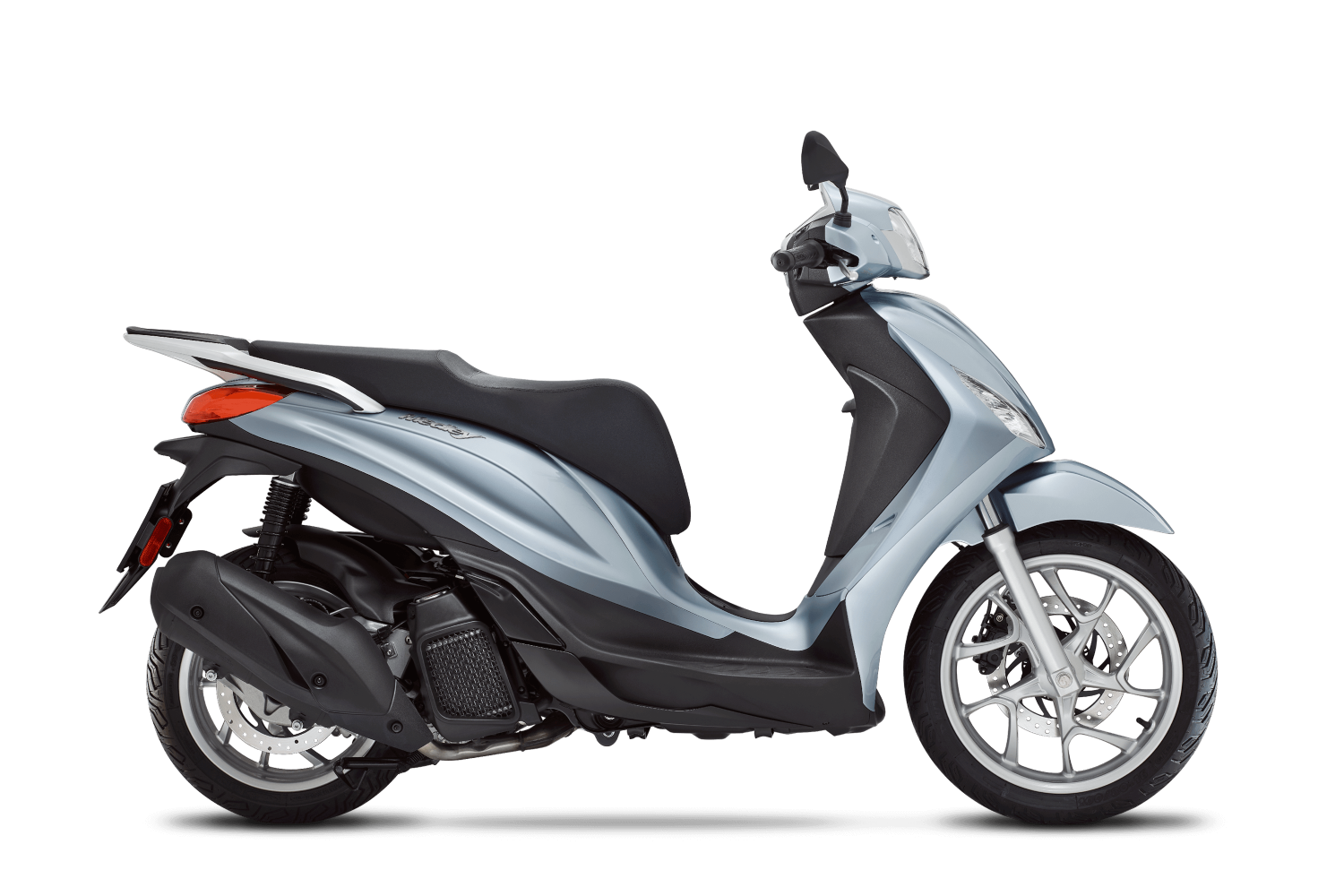
When you twist the throttle on a Piaggio MP3 300 HPE Sport, the high-performance 278cc liquid-cooled engine delivers punchy acceleration. Yet, the factory exhaust system is heavily restricted by strict European noise and emission regulations. It muffles the distinctive thrum of the single-cylinder motor, adds unnecessary weight, and leaves notable power on the table. Swapping out the stock hardware for an aftermarket pipe changes everything, transforming how your three-wheeled machine accelerates, sounds, and looks.
Choosing the right setup means looking past marketing buzzwords and evaluating real performance metrics. Whether you're chasing quicker throttle response for city commuting or a deeper exhaust note for weekend touring, this guide covers the exact options, installation steps, and tuning adjustments needed to get it right.
Why the Stock Exhaust Holds Back Your MP3
The factory exhaust on the MP3 300 HPE Sport is built to satisfy blanket regulatory standards rather than peak mechanical efficiency. Inside the stock muffler, complex baffle chambers and a heavy catalytic converter create significant backpressure. This restriction chokes exhaust gas scavenging, forcing the engine to work harder to expel spent gases on the return stroke.
When you replace this restrictive setup with a free-flowing aftermarket alternative, the engine breathes easier. You gain immediate weight savings—often dropping 3 to 5 kilograms depending on whether you choose a slip-on or full system—which instantly improves the power-to-weight ratio. Furthermore, a freer exhaust stream smooths out mid-range torque dips, giving you sharper pull when overtaking traffic at highway speeds.
Slip-On Muffler Versus Full Exhaust Systems
Before buying parts, you need to decide between a slip-on muffler or a full system. Each serves a different riding style and budget.
Slip-On Mufflers
A slip-on system replaces only the rear silencer, utilizing the stock header pipe and catalytic converter section.
- Cost: Generally more affordable, ranging from $300 to $600.
- Installation: Straightforward bolt-on procedure that takes under an hour with basic hand tools.
- Performance: Provides modest horsepower gains, a weight reduction, and a much-improved exhaust note.
- Emissions: Keeps the factory catalytic converter intact, making it easier to pass local vehicle inspections.
Full Exhaust Systems
A full system replaces the entire path from the cylinder head back, including the header pipe and catalytic converter.
- Cost: Higher investment, typically running from $600 to over $1,000.
- Installation: More complex, often requiring the removal of body panels and lower chassis cowlings.
- Performance: Maximizes horsepower and torque gains across the entire rev range, especially when paired with a fuel tuner.
- Emissions: Removes the stock catalytic converter, which means it may not comply with strict local emissions testing depending on your region.
Top Aftermarket Exhaust Brands for the MP3 300 HPE
Quality matters immensely when selecting motorcycle and scooter components. Cheap generic pipes often crack under thermal stress or drone unpleasantly at cruising speeds. Established manufacturers design systems specifically for the Piaggio HPE engine architecture.
- LeoVince: Known for durability and crisp power delivery, LeoVince offers slip-ons like the LV One Evo series that balance aggressive styling with a deep, compliant tone. You can explore their official catalog at LeoVince.
- Akrapovič: A gold standard in exhaust engineering, Akrapovič crafts titanium and stainless systems that deliver premium weight savings and refined power curves without excessive noise. Check current specifications at Akrapovič.
- Arrow: Arrow exhausts provide exceptional exhaust scavenging for single-cylinder scooters, enhancing top-end pull while maintaining solid build quality with carbon fiber end caps.
Step-by-Step Installation Process
Installing a slip-on exhaust on your Piaggio MP3 300 HPE Sport is a manageable weekend project if you have basic mechanical experience. Always let the engine cool completely before touching any components.
- Prep and Access: Park the scooter on its center stand on flat ground. Remove any lower body panels necessary to access the exhaust mounting bolts and the connection joint between the header and muffler.
- Loosen Clamps: Spray a penetrating lubricant on the exhaust clamp bolts if they show signs of road grime. Loosen the clamp securing the muffler to the header pipe, then unbolt the rear mounting bracket attached to the swingarm or frame.
- Remove Stock Muffler: Carefully slide the stock muffler off the header pipe. Be careful not to damage the graphite gasket seal inside the connection joint if you plan to reuse it.
- Install New Pipe: Slide the new aftermarket slip-on onto the header pipe, using a thin layer of high-temp exhaust sealant if recommended by the manufacturer. Secure the mounting bracket loosely first to check alignment.
- Torque and Clean: Tighten all bolts and clamps to the manufacturer's specified torque settings. Wipe down the entire exhaust system with rubbing alcohol to remove fingerprints before starting the engine; oils left on stainless steel or titanium will burn permanently into the metal under heat.
Do You Need a Fuel Controller Remap?
A common question among scooter owners is whether an exhaust upgrade requires ECU remapping. Because the Piaggio 300 HPE engine runs on a sophisticated closed-loop fuel injection system with an oxygen sensor, the ECU can automatically compensate for minor changes in airflow up to a certain point.
However, if you install a full system that removes the catalytic converter, the engine will run noticeably leaner. A lean air-fuel ratio causes popping on deceleration and increases engine operating temperatures. To protect your engine and unlock the true performance benefits of your new exhaust, invest in a plug-and-play fuel management module or a professional dyno remap.
Common Mistakes to Avoid
Avoiding simple installation and tuning errors saves you time, money, and frustration.
- Forgetting to check leaks: After installation, start the engine and hold your hand near the joints—without touching them—to feel for escaping exhaust gases. Small leaks cause erratic sensor readings and annoying ticking noises.
- Over-tightening hardware: Carbon fiber and thin-walled titanium can crack easily under excessive torque. Always use a torque wrench set to factory specifications.
- Ignoring break-in periods: New packing material inside the muffler needs a few heat cycles to settle. Expect the exhaust tone to deepen slightly after the first 500 miles of riding.
Frequently Asked Questions
Will an aftermarket exhaust void my Piaggio warranty?
Under consumer protection laws in many regions, simply installing an aftermarket part cannot void your entire warranty unless the manufacturer proves the specific part caused a mechanical failure. However, it's wise to check local dealer policies before making modifications.
How much weight do I actually save?
Swapping the heavy stock steel muffler for a titanium or carbon fiber slip-on typically sheds between 3 and 4 kilograms. A full system can reduce weight by up to 5 kilograms, which noticeably sharpens handling response.
Will an exhaust upgrade make the scooter too loud for daily commuting?
Most reputable European manufacturers design their scooter exhausts to comply with legal noise limits while enhancing the acoustic quality. If you want to keep the decibel levels neighbor-friendly, look for systems that include a removable dB killer baffle.
Do I need to change the roller weights in the variator?
While not strictly required for a slip-on exhaust, pairing your new pipe with slightly tuned variator roller weights helps the engine stay in its optimal power band longer, maximizing the benefits of the upgrade.