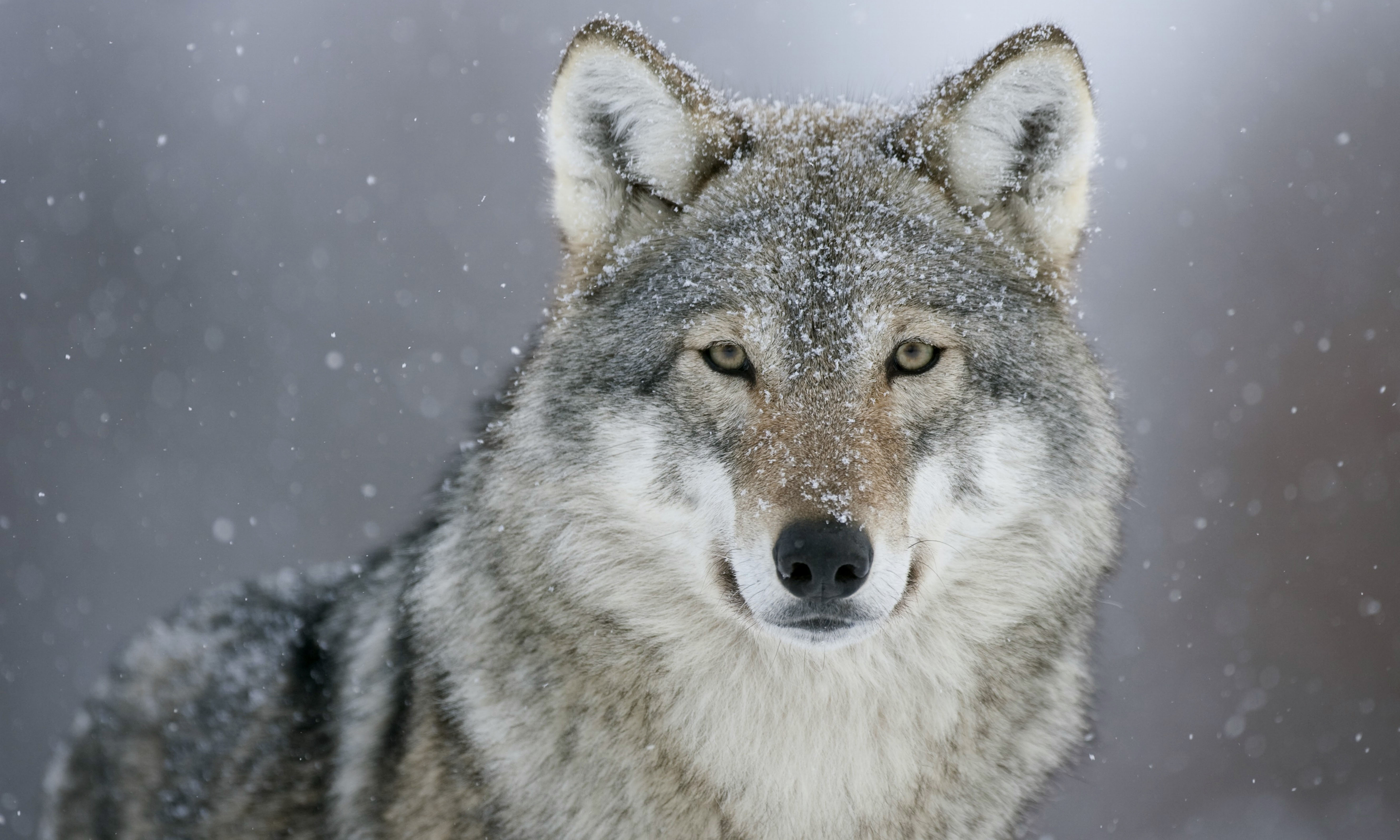
The word husky immediately brings to mind thick coats of fur, striking blue eyes, and images of dogs racing across frozen expanses. Yet reducing this animal to a photogenic pet misses the entire foundation of what a husky actually is. Far beyond aesthetics, the term describes a specialized group of Arctic working dogs forged through centuries of survival, endurance, and human cooperation in some of the harshest environments on Earth.
Understanding the true meaning of a husky requires looking past internet culture and examining the etymology, anatomical design, pack dynamics, and modern realities of these remarkable animals. They aren't just fluffy companions; they are elite athletic partners built for heavy labor and freezing climates.
Etymology and Origins: Where Did the Name Come From?
The origins of the word husky are surprisingly debated among linguists and historians. The term didn't start as an official breed classification in ancient registries; instead, it emerged as a broad descriptor used by traders, sailors, and explorers in the eighteenth and nineteenth centuries.
One prominent historical theory links the name to maritime slang. In older English nautical contexts, a husky voice meant a deep, rough, or powerful sound. Because northern dogs were known for their distinct, husky howls and deep barks, sailors and traders began applying the term to the animals themselves.
Another widespread hypothesis traces the word back to corrupted linguistic adaptations. Early European explorers and traders in the Arctic often referred to indigenous Arctic people using historical terms that eventually slurred into slang labels. Over decades of trade interactions, the dogs owned by these communities were labeled as husky dogs, which eventually shortened to just huskies.
Whatever the precise linguistic root, the label became a convenient catch-all term for any hardy, cold-weather sled dog used for transport across northern Canada, Alaska, and Siberia. It grouped together distinct regional populations that shared similar physical traits necessary for subzero survival.
Biological Engineering: Anatomy Built for the Arctic
A husky's physical traits aren't random genetic accidents; they represent specialized evolutionary adaptations designed to thrive in extreme cold without burning out. Every layer of their biology serves a specific mechanical purpose.
Their coat is a sophisticated thermal system rather than simple fur. It consists of a dense, insulating undercoat paired with a coarser outer layer of guard hairs. The undercoat traps body heat close to the skin, while the guard hairs repel moisture, snow, and wind. This dual-layer protection allows huskies to sleep comfortably in snowdrifts that would cause hypothermia in other breeds.
Their facial features and appendages are similarly optimized:
- Ears are small, triangular, and erect, minimizing exposed surface area to prevent frostbite and retain core heat.
- Tails are heavily furred and act as natural scarves, curling over the muzzle when the dog curls up to sleep, warming the air before it enters the respiratory tract.
- Paws feature thick pads covered in fur between the toes, providing traction on ice and insulation against freezing ground surfaces.
Eye color variations, such as striking ice-blue eyes, brown eyes, or heterochromia, stem from genetic pigment distribution traits. While popular in media depictions, these eye colors carry no functional advantage in the snow and do not impact a dog's working capability or temperament.
Working Roles in a Sled Team Hierarchy
The historical definition of a husky is rooted in its role as an engine of transport. Before motorized snow machines, human survival in northern latitudes depended entirely on the efficiency and endurance of dog teams. These animals operated in strict, hierarchical structures where every position required specific behavioral traits.
Lead dogs serve as the brains and directional guides of the team. They must possess high intelligence, problem-solving skills, and the ability to respond instantly commands from the musher. A weak lead dog compromises the entire operation on dangerous trail routes.
Swing dogs run immediately behind the leaders. Their job is to pull the team around sharp turns and navigate tight corners, ensuring the middle of the line follows the trail cut by the leaders.
Team dogs form the central powerhouse of the unit. Packed tightly behind the swing dogs, they maintain consistent forward momentum and shoulder the bulk of the cargo weight over long-distance treks.
Wheel dogs run closest to the sled. These are typically the largest, strongest dogs in the lineup. They require immense physical strength and emotional patience because they must absorb the heavy jerking forces when starting a loaded sled from a dead stop or navigating steep descents.
This cooperative framework required immense socialization and a strong pack instinct. Huskies evolved to work as a collective unit rather than isolated pets, which explains their strong social needs and communication styles today.
Beyond the Siberian Husky: Recognizing Regional Variants
While the Siberian Husky is the most famous representative of the group, several distinct breeds and landraces share the fundamental husky designation:
- Alaskan Malamute: Larger and heavier than Siberian Huskies, Malamutes were bred by the Mahlemut people for hauling massive freight loads rather than racing long distances at high speeds.
- Canadian Eskimo Dog: An ancient, powerful Arctic breed historically used by the Inuit for both sledding and hunting large game like polar bears.
- Greenland Dog: Adapted to extreme isolation and brutal Greenlandic weather, known for raw endurance and an independent working temperament.
Each of these variants reflects the specific environmental pressures of its geographic origin, yet all share the core traits of endurance, heavy double coats, and strong pack mentalities.
The Modern Reality: Companion Animals vs. Working Athletes
In the twentieth century, the invention of the snowmobile largely replaced working sled dogs in daily northern transport. This shift transformed the husky from an essential utility animal into a companion pet and a competitive sport participant through recreational mushing and events like the Iditarod Trail Sled Dog Race.
However, bringing an elite working athlete into a modern suburban home often creates friction. Huskies retain intense energy levels and a high prey drive that can overwhelm unprepared owners. Without proper daily outlets, an under-stimulated husky can exhibit destructive behaviors, chronic howling, or severe escape artistry by digging under or jumping over fences.
Prospective owners must commit to rigorous daily exercise, mental enrichment, and regular grooming sessions, especially during seasonal shedding periods when they drop their undercoats en masse. Understanding the meaning of a husky means recognizing that their independent, high-drive nature isn't a behavioral flaw—it's the exact genetic makeup that allowed humans to survive in the Arctic.
Frequently Asked Questions
Why do huskies have such high energy levels?
Huskies were bred for centuries to run long distances pulling heavy loads across frozen terrain on minimal food. That genetic drive for constant movement and endurance remains deeply embedded in their DNA, requiring significant daily physical and mental stimulation.
Are huskies good family pets?
They can be affectionate, gentle, and great with children, but their independence, strong prey drive, and high exercise needs make them better suited for active owners who understand high-energy working breeds.
Why do huskies howl instead of bark?
Huskies retain a closer genetic link to wolves than many modern breeds. Howling serves as a long-distance communication tool for pack coordination in wide-open wilderness areas, making it a natural vocalization instinct.
How often do huskies shed their coats?
Huskies typically undergo a major coat blowout twice a year during seasonal temperature shifts, shedding their entire undercoat over a period of two to three weeks, which requires intensive daily brushing.