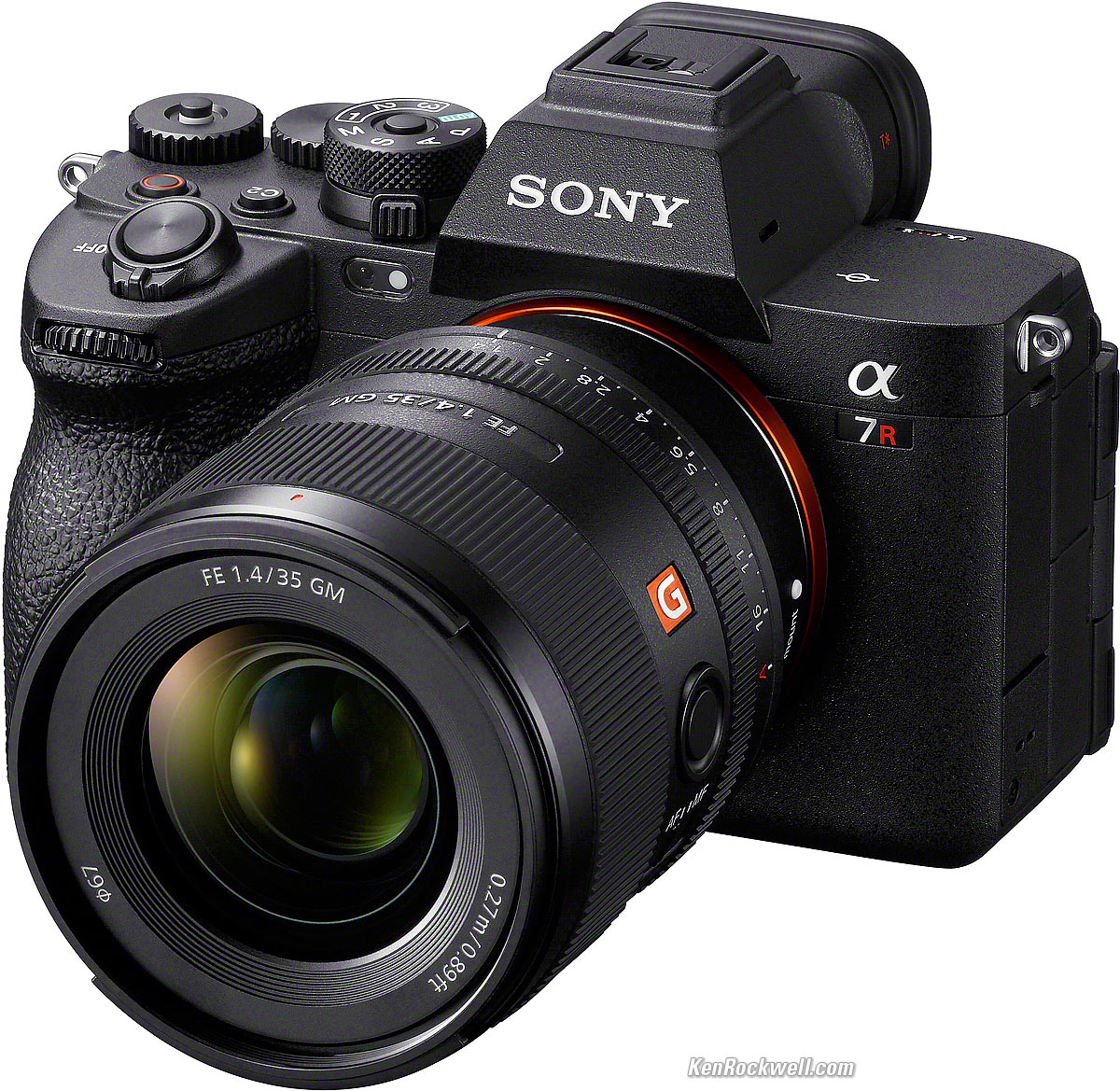
The Sony Alpha A6000 remains one of the most widely discussed entry-level mirrorless options on the used market. Released over a decade ago, this compact body pairs a 24.3-megapixel APS-ватися sensor with a versatile E-mount system. Buying the camera today usually means picking up the standard 16-50mm power zoom kit lens. For buyers working with a tight budget, the main question is whether an older sensor and basic kit glass can still compete against modern smartphones and newer entry-level bodies.
The short answer is yes, provided you buy it at the right price. When found on the used market for under four hundred dollars, the system offers an unmatched mix of physical controls, phase-detection autofocus coverage, and interchangeable lens versatility. However, age has taken a toll on its video specifications, interface, and low-light performance. This breakdown examines how the Sony Alpha A6000 kit holds up for modern photography and whether you should invest your money here or save for a newer tier.
Core Specifications and What They Mean Today
Looking at raw numbers, the camera packs a 24.3MP APS-C Exmor HD CMOS sensor paired with a BIONZ X image processor. That resolution matches many entry-level cameras sold years later, providing plenty of detail for prints and digital crops.
The standout feature that kept this camera relevant for years is its hybrid autofocus system. It features 179 phase-detection points and 25 contrast-detection points covering nearly the entire frame. This setup allows for continuous shooting at up to 11 frames per second with autofocus tracking, a capability that still outpaces many modern budget compacts and entry-level DSLRs.
You also get a tilting three-inch LCD screen and a 1.44-million-dot electronic viewfinder. Having a physical viewfinder makes shooting in bright daylight vastly easier than relying solely on a smartphone screen.
The Reality of the 16-50mm Kit Lens
The bundled 16-50mm f/3.5-5.6 OSS power zoom lens is a double-edged sword. On one hand, its collapsing design makes the entire setup pocketable when powered off, allowing you to slip the camera into a small jacket pocket or everyday bag. Optical image stabilization (OSS) helps stabilize handheld shots at slower shutter speeds.
On the other hand, optical compromises come with that compact size. Wide shots at 16mm suffer from noticeable barrel distortion and soft corners, requiring profile corrections in editing software. Dynamic range and sharpness peak near the middle of the zoom range, but the variable maximum aperture limits low-light performance.
Think of the kit lens as a starter tool to figure out which focal lengths you enjoy. Many photographers eventually supplement or replace it with a sharp prime lens like the Sony E 35mm f/1.8 OSS to unlock the true sharpness of the 24MP sensor.
Where the Camera Excels
Photography students, travel enthusiasts, and hobbyists on a budget will find plenty to love.
- Autofocus Speed: Tracking moving subjects, children, or pets is remarkably reliable for a budget body thanks to those phase-detection points.
- Raw File Latitude: The sensor captures raw files with healthy dynamic range, allowing you to lift shadows and recover highlights in post-processing without destroying image integrity.
- Lens Ecosystem: Because it uses the Sony E-mount, you have access to a massive catalog of native glass from Sony, Sigma, Tamron, and vintage lenses via cheap adapters.
- Portability: Weighing roughly 344 grams with a battery and kit lens, it eliminates the neck strain associated with bulky traditional DSLRs.
Where the Camera Shows Its Age
Time moves fast in digital technology, and several glaring omissions highlight the age of the chassis.
- No 4K Video: Video tops out at 1080p at 60fps. There is no 4K recording option, and Sony omitted an external microphone port, making it a poor choice for serious vloggers or videographers.
- Outdated Interface: The LCD screen lacks touch sensitivity. Changing focus points or navigating the dense menu system relies entirely on physical buttons and the rear wheel.
- Battery Endurance: The small NP-FW50 battery drains quickly, especially when using the electronic viewfinder or shooting continuous bursts. Carrying at least one spare battery is essential for full-day outings.
- Limited High ISO Performance: Files look clean up to ISO 1600 or 3200, but pushing past that introduces aggressive luminance and color noise that degrades image quality quickly compared to modern sensors.
Alternatives to Consider
If your budget stretches slightly higher, competition from slightly newer models changes the math. A used Sony A6300 introduces 4K video recording, a magnesium alloy weather-resistant body, and improved high-ISO processing for a modest price bump. Similarly, bodies like the Fujifilm X-T20 offer distinct tactile dials and pleasing color science if you prefer a retro shooting experience.
For buyers primarily interested in casual travel snaps without carrying a dedicated camera bag, modern smartphones often match or exceed the convenience factor, though they still lack the creative depth of a true physical sensor and adjustable aperture. For a deeper look at current mobile photography standards, consult Digital Photography Review.
Frequently Asked Questions
Can I use modern E-mount lenses on this camera?
Yes. Any crop-sensor (APS-C) E-mount lens and most full-frame E-mount lenses mount directly onto the body. Keep in mind that full-frame lenses will carry a 1.5x crop factor, and physical size balance may feel front-heavy with larger professional glass.
Is the kit lens good enough for learning photography?
It is entirely adequate for learning exposure triangles, composition, and framing. Once you understand your preferred shooting style—whether street, portrait, or landscape—you can upgrade to a dedicated prime lens to see a massive leap in sharpness.
How does battery life hold up during travel?
Expect roughly 300 to 360 shots per charge under standard conditions. Because the camera uses compact lithium-ion packs, keeping two fully charged backup batteries in your pocket ensures you don't miss sunset shots.
Does the camera support USB charging?
In-camera USB charging is supported via a micro-USB port, meaning you can top off the battery using a standard portable power bank while traveling, though an external wall charger remains faster for multi-battery setups.


