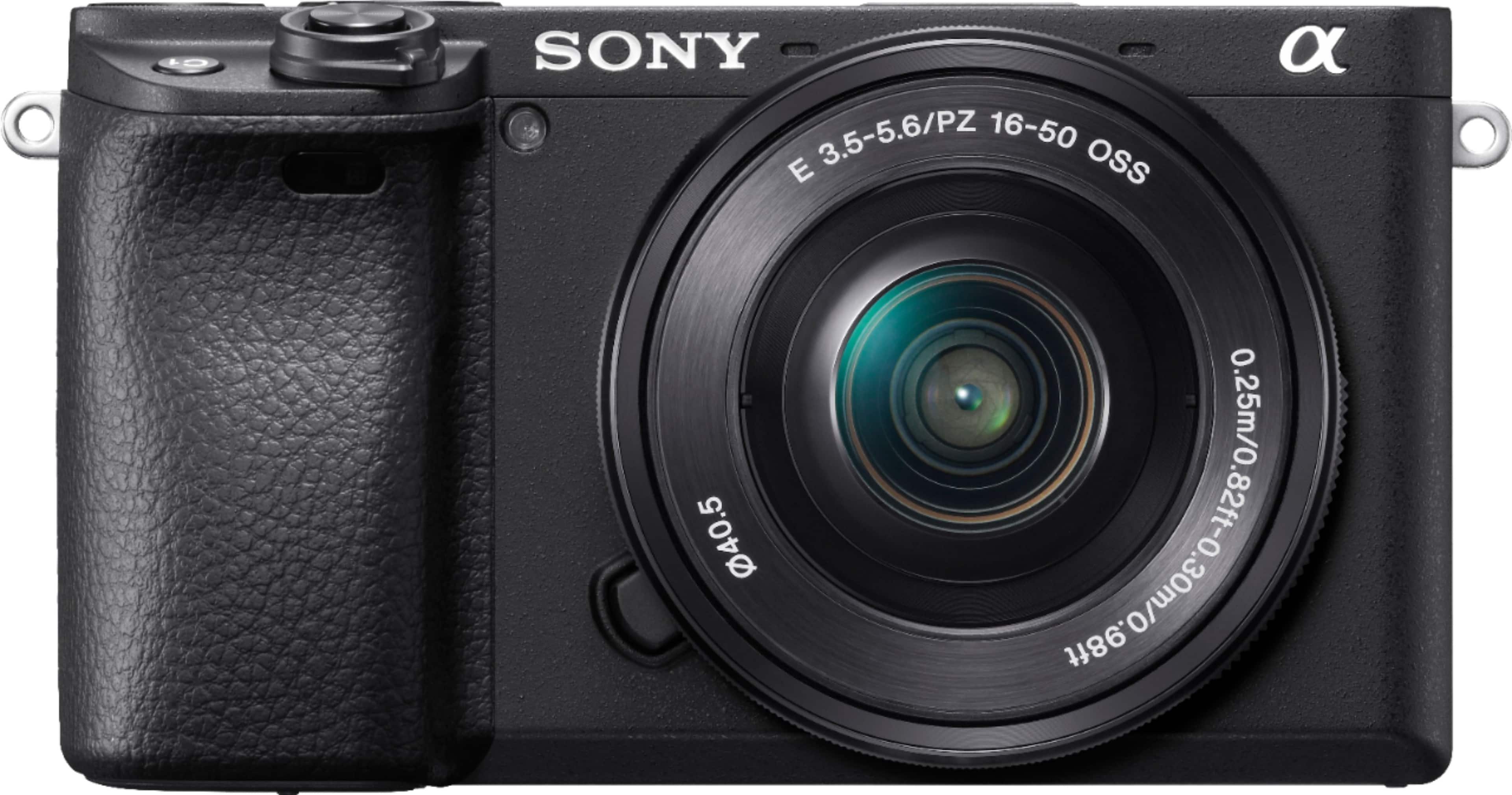
Getting clean, sharp, and cinematic video out of the Canon EOS R50 requires moving past the default auto mode. Because this camera uses a 24.2-megapixel APS-C sensor with oversampled 4K capture, setting up your recording formats, exposure rules, and autofocus parameters correctly makes a massive difference in your final footage quality.
The primary keyword for this setup guide is Canon R50 video settings. Search intent for this topic is overwhelmingly practical: creators want exact menu configurations, frame rate choices for different shooting scenarios, and practical workarounds for the R50's specific limitations like crop factors and recording time limits.
Here is how to configure your Canon EOS R50 for optimal video output, whether you're vlogging, filming interviews, or capturing cinematic B-roll.
Configuring Resolution and Frame Rates
The EOS R50 records oversampled 4K video from a 6K sensor area, meaning 4K footage is remarkably crisp and detailed. However, your choice of resolution and frame rate dictates your motion blur, file sizes, and editing workflow.
- 4K 23.98p or 24p: Choose this for a traditional, cinematic motion cadence. It's ideal for narrative work, talking head videos, and general content creation where you want natural-looking motion blur.
- 4K 29.97p / 30p: Use this if you want slightly smoother motion or if your content is destined for broadcast standards.
- Full HD 59.94p / 60p: Switch to 1080p at 60fps when you need smooth movement or want the flexibility to slow your footage down by 50% in editing without resorting to dedicated high-frame-rate modes.
- Full HD 119.88p (High Frame Rate): Use this mode when you want dramatic slow-motion playback at quarter speed. Note that sound isn't recorded in this mode, and clips are capped at 15 minutes.
According to Canon USA's official support documentation, changing your base video system between NTSC and PAL determines your available frame rates, so verify that your camera matches your regional broadcasting standard before shooting.
Mastering Exposure and the Shutter Rule
Shooting video in manual exposure mode gives you complete control over your look. To keep motion looking natural to the human eye, stick closely to the 180-degree shutter rule.
Set your shutter speed to roughly double your frame rate. If you're shooting at 24fps or 25fps, set your shutter speed to 1/50 second. If you're filming at 30fps, lock your shutter at 1/60 second. For 60fps footage, use 1/125 second.
When filming outdoors in bright daylight, maintaining a 1/50 shutter speed at a low ISO without blowing out your highlights is nearly impossible without physical light control. Use a variable neutral density (ND) filter screwed onto your lens to cut incoming light. This lets you keep your aperture wide open for background separation while keeping your shutter speed locked.
Setting Up Dual Pixel CMOS Autofocus
Canon's Dual Pixel autofocus system is industry-leading, but factory default settings can sometimes cause the focus to hunt erratically if a subject momentarily steps out of frame.
Navigate to the Movie Servo AF menu and ensure it's enabled for most vlogging and run-and-gun scenarios. Under the subject tracking settings, specify your primary subject type—such as people or animals—to help the camera lock on faster. If you're shooting product reviews or close-up demonstrations, enable the specific close-up demo mode in the shooting menu, which optimizes the algorithm to prioritize items held close to the lens rather than your face.
Managing Stabilization and Crop Factors
The R50 offers built-in digital image stabilization for video, which helps smooth out handheld micro-jitters. However, you must account for the sensor crop.
- Digital IS Off: Preserves the widest possible field of view from your lens, but requires steady hands or a tripod.
- Digital IS On: Applies a mild crop to the frame to stabilize movement electronically.
- Digital IS Enhanced: Offers maximum handheld stabilization but crops into the sensor further.
If you are vlogging with a wide lens like the Canon RF 24mm f/1.8 Macro IS STM, running Enhanced stabilization will narrow your field of view significantly, making framing tight if you hold the camera at arm's length. Plan your lens choice with this crop factor in mind.
Common Mistakes to Avoid
Even experienced shooters run into avoidable pitfalls when setting up a mirrorless hybrid like the R50 for video production.
- Shooting 4K at high shutter speeds: Setting your shutter to 1/500 sec in 4K makes motion look jittery and stuttery. Keep to the 180-degree rule unless you are intentionally trying to capture crisp, staccato action sequences.
- Ignoring internal heat limits: Extended 4K recording sessions can cause the camera body to warm up, shortening available recording times. Always power down the camera between takes during long shoots.
- Formatting cards in-computer: Always format your SD cards directly inside the R50 using the low-level format option before important shoots to prevent write errors and dropped frames during high-bitrate recording.
Frequently Asked Questions
Can the Canon R50 record clean HDMI out for external monitors or streaming?
Yes, the R50 outputs an uncompressed clean HDMI signal, making it a powerful option for live streaming or recording to an external monitor/recorder setup. Check your connection settings to disable on-screen display data over HDMI.
Why is sound missing when I record in High Frame Rate mode?
Canon disables internal audio recording when shooting at 119.88fps in Full HD. The camera saves these files directly as slow-motion video files, meaning you must capture external audio separately if sound is required.
What is the maximum continuous recording time per clip?
For standard 4K and Full HD recordings, the R50 allows up to one hour of continuous recording per file before stopping automatically. High Frame Rate clips are limited to 15 minutes per take due to buffer and processing constraints.
Should I use HDR PQ for standard YouTube videos?
HDR PQ records 10-bit HDR footage, which preserves greater highlight and shadow detail. Unless you have an editing workflow and delivery platform specifically configured to tone-map 10-bit HDR to standard dynamic range (SDR), stick to standard 8-bit recording to avoid washed-out or overly contrasty exports.