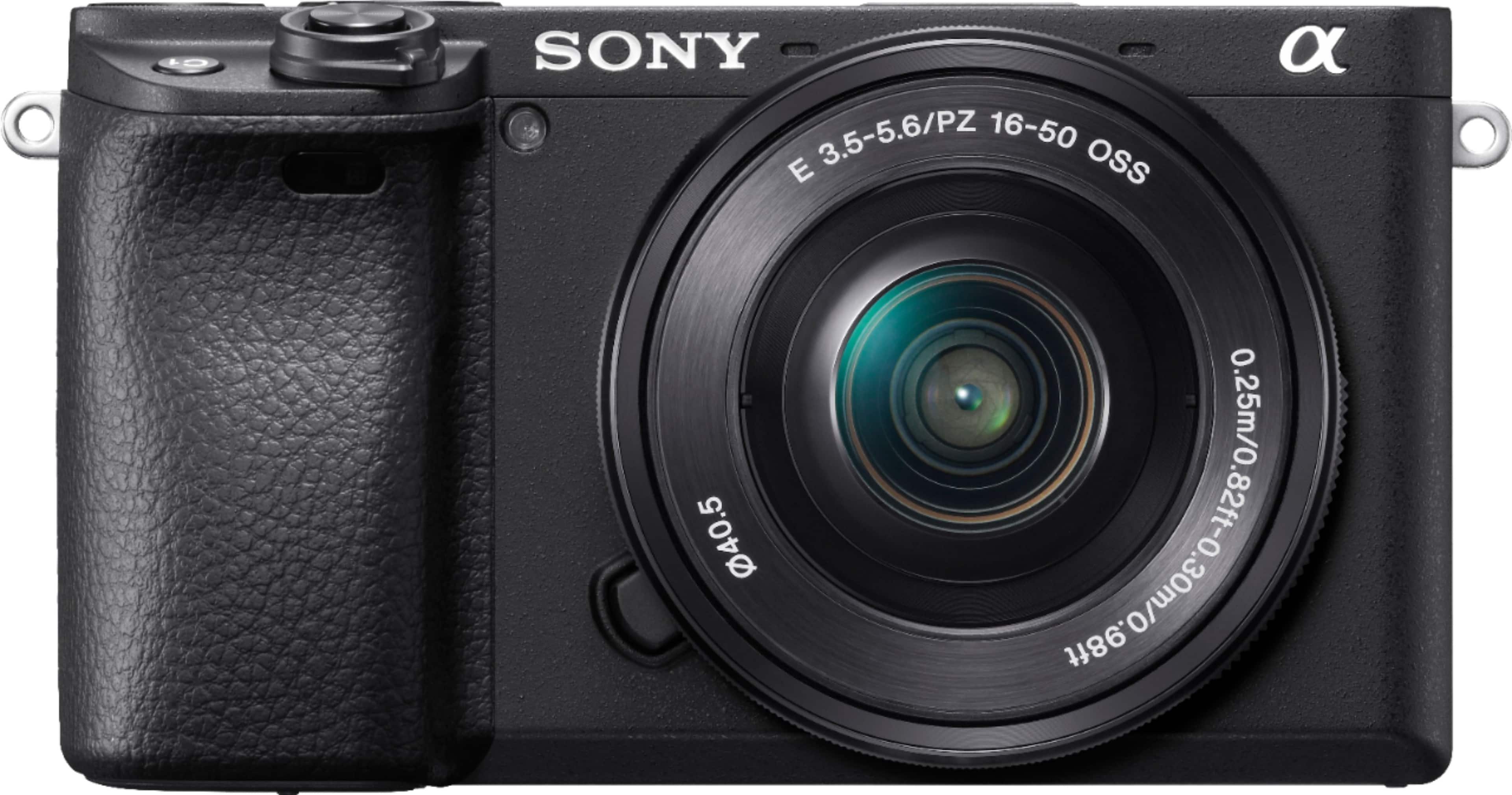
The Canon IXY 650, also marketed globally as the PowerShot ELPH 360 HS or IXUS 285 HS, remains a fascinating pocket-sized tool in an era dominated by smartphones. It features a 20.2-megapixel CMOS sensor, a 12x optical zoom lens, and built-in Wi-Fi with NFC connectivity. If you want a dedicated pocket camera that outperforms basic phone sensors with physical zoom without carrying bulk, this device merits a close look.
While modern smartphones rely heavily on computational photography and heavy-handed AI sharpening, this dedicated point-and-shoot uses physical optics. You get a real glass 12x zoom range (equivalent to 25-300mm) and optical image stabilization that helps keep distant subjects clear. It doesn't replace a mirrorless setup for professional low-light work, but it serves as a lightweight carry option for travel, casual outings, and street snapshots.
Technical Specifications Breakdown
Understanding what's inside this tiny metal body helps set proper expectations for everyday use.
- Sensor: 1/2.3-inch 20.2-megapixel high-sensitivity CMOS sensor.
- Processor: DIGIC 4+ image processor.
- Lens: 12x optical zoom (25-300mm equivalent), f/3.6–f/7.0 maximum aperture.
- Image Stabilization: Intelligent IS (optical image stabilization system).
- Display: 3.0-inch TFT color LCD with approximately 461,000 dots.
- Video: 1080p Full HD video recording at 30 fps in MP4 format.
- Connectivity: Built-in Wi-Fi and NFC for easy file transfer to smart devices via the Canon Camera Connect app.
- Battery Life: CIPA-rated for approximately 180 shots per charge using the NB-11LH lithium-ion battery.
Design, Build Quality, and Ergonomics
Measuring roughly 3.9 x 2.3 x 0.9 inches and weighing about 5.2 ounces with the battery and memory card inserted, the camera slips easily into a jeans pocket or a small jacket pouch. The metal chassis feels sturdy and avoids the hollow plastic creak common in ultra-budget electronics.
The button layout is straightforward. On the top plate, you'll find the shutter button surrounded by the zoom lever, alongside the power button and a dedicated shooting mode switch that toggles between Auto, Hybrid Auto, and Creative Shot modes. The rear features standard navigation buttons, a playback button, a menu button, and a dedicated Wi-Fi connection button. Because the body is so compact, users with larger hands might find themselves accidentally resting a thumb on the 3.0-inch LCD screen, but the physical grip points are adequate for a one-handed snapshot.
Image Quality and Real-World Performance
The combination of the 20.2MP sensor and the DIGIC 4+ processor delivers pleasing, vibrant JPEGs straight out of the camera, especially in bright daylight. Colors are punchy with classic Canon warmth, making skin tones look natural without excessive post-processing.
- Daylight Performance: At base ISO settings (ISO 80 to 200), images show sharp details across the center of the frame. The 12x zoom is remarkably versatile for a camera this small, letting you pull distant architectural details or street scenes closer without losing pixel structure to digital cropping.
- Low-Light Limitations: The small sensor size and relatively slow variable aperture (f/3.6 at wide, f/7.0 at telephoto) mean the camera struggles indoors or after sunset. Once you push past ISO 800, noise reduction smears fine details, and grain becomes prominent. Keeping expectations realistic for dim environments prevents disappointment.
- Focusing Speed: Autofocus acquisition is snappy in broad daylight, though it hunts occasionally in lower contrast settings or at the far end of the 300mm telephoto reach.
Video Capabilities
While modern creators demand 4K logs and high frame rates, the Canon ELPH 360 HS keeps video simple with 1080p Full HD capture at 30 frames per second.
Footage is clean and stable enough for casual family clips, travel vlogs, or quick social media uploads. The built-in Intelligent IS counteracts hand tremors effectively when walking slowly, though rapid pans can reveal rolling shutter artifacts. Audio is recorded via a built-in mono microphone, which picks up wind noise easily outdoors since there's no external mic input jack.
Common Mistakes to Avoid
Getting the best results from a vintage-spec compact camera requires avoiding a few common operational pitfalls:
- Shooting in extreme low light without stabilization: Relying on Auto ISO in dark rooms forces the camera to slow shutter speeds, resulting in motion blur. Use a stable surface or stick to well-lit environments.
- Neglecting battery management: The NB-11LH battery is compact, meaning capacity is limited. Packing a spare battery is essential for full-day outings, especially if you use Wi-Fi transfer frequently.
- Expecting RAW support: This camera shoots exclusively in JPEG. If you enjoy heavy shadow recovery and manual exposure grading in post-processing software like Lightroom, you'll need to adjust your workflow.
Frequently Asked Questions
Does the Canon ELPH 360 HS support manual exposure controls?
No, it is designed as a point-and-shoot camera. You cannot manually set shutter speed or aperture, though you can adjust exposure compensation, white balance, and ISO limits within certain scene modes.
Can I connect this camera to my smartphone wirelessly?
Yes, it features built-in Wi-Fi and NFC. By downloading the Canon Camera Connect app, you can transfer images directly to your phone or use your phone as a remote shutter release.
What kind of memory cards does it use?
The camera accepts standard SD, SDHC, and SDXC memory cards. High-speed UHS-I cards work fine, though the camera cannot fully leverage ultra-fast write speeds due to its older processing architecture.
How does its image quality compare to a modern smartphone?
Modern smartphones use computational multi-frame processing to handle tricky lighting and HDR scenes better than this sensor. However, the Canon wins when you need true optical zoom without digital degradation or a dedicated physical shutter button.