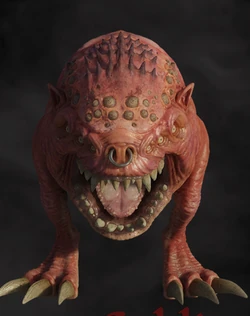
The SCP Foundation operates as a massive collaborative writing project centered on a clandestine organization tasked with capturing and studying supernatural entities. Standing for Secure, Contain, Protect, the fictional agency maintains a clinical, academic tone that masks cosmic horror behind pseudo-scientific reports. Far from a single novel or movie franchise, the project functions as an open-source mythos where thousands of contributors build interlocking or contradictory lore across an expanding digital wiki.
Understanding this universe requires looking past simple ghost stories into how crowdsourced horror functions online. The project relies on modular entries, object classifications, and distinct narrative hubs rather than a rigid central timeline. This framework allows anyone to contribute while preserving a distinct, eerie atmosphere that separates the project from traditional creepypastas or urban legends.
Core Mechanics of the SCP Universe
Every article on the wiki anchors itself to the operations of the Foundation. The group functions in total secrecy, funded by shadow-governments and international coalitions, to prevent mass panic. When an anomaly surfaces—ranging from a hostile entity to a sentient household object—the Foundation deploys specialized personnel to secure it.
The wiki uses standardized structural conventions to mimic real-world classified documents. Readers encounter redacted text, blacked-out identification numbers, and strict containment protocols. This formatting choice grounds impossible horrors in bureaucratic coldness, heightening the tension.
Understanding Object Classes
Not all anomalies pose the same level of threat or require identical resources to suppress. The Foundation categorizes entries using primary object classes to indicate containment difficulty:
- Safe: Anomalies that are completely understood and easily contained. These objects don't pose a threat unless activated or handled improperly. A locked box usually suffices.
- Euclid: Anomalies that require more complex containment procedures because their behavior isn't fully understood or predictable. Intelligence or active sentience often places an item in this tier.
- Keter: Entities or phenomena that are exceptionally difficult to contain reliably. These anomalies often threaten global security or human survival, requiring massive, resource-heavy infrastructure to keep at bay.
- Thaumiel: Rare items or entities that the Foundation actively uses to contain other anomalies or protect the organization itself.
How Collaborative Lore Works Without a Master Canon
A common stumbling block for newcomers is the lack of a single official storyline. The wiki operates on an explicit principle: there is no canon.
If one article describes the Foundation originating in the nineteenth century, another can place its inception in the modern era. Writers create isolated "canons" or narrative hubs that share themes, characters, or apocalyptic events, but readers pick and choose which pieces fit together. This decentralized approach prevents creative stagnation and lets authors explore wildly different genres, from cosmic psychological horror to absurd comedy.
Groups of Interest and Rivals
The Foundation isn't the only player in the paranormal space. The universe features rival factions, cults, and corporate entities known as Groups of Interest. Organizations like the Global Occult Coalition (GOC) seek to destroy anomalies rather than contain them, while groups like the Chaos Insurgency operate as rogue splinter cells of the Foundation itself. These competing factions add geopolitical tension to the supernatural landscape.
Creating and Contributing to the Archive
Writing for the community requires adhering to strict quality standards enforced by the platform's rating system. Articles must maintain clinical detachment. Emotional language or melodramatic prose will quickly cause a submission to fail.
- Brainstorm an Anomaly: Focus on a specific, constrained concept rather than an omnipotent monster. Subtlety often yields better horror.
- Draft the Documentation: Write in the voice of a tired, pragmatic researcher. Use technical jargon, precise measurements, and formal containment logs.
- Engage the Community: Submit the draft to the site's critique forums for feedback before publishing to the main database. Articles that drop below a negative rating threshold face permanent deletion.
Frequently Asked Questions
Is the SCP Foundation a real organization?
No. It is entirely fictional, created as an open-source collaborative writing project on a community-driven wiki.
Where should a beginner start reading?
Most fans recommend starting with classic early entries like SCP-173 or exploring curated introductory lists on the main wiki. Series I articles (entries 001 through 999) offer a glimpse into the raw, horror-heavy roots of the project.
Can anyone write an SCP article?
Yes, registration on the wiki is open to anyone who follows the site rules, completes the application process, and submits original writing that passes community peer review.
Why do some words appear blacked out?
Redactions simulate government censorship and missing security clearance, creating a sense of mystery and realism within the framework of a secret agency.