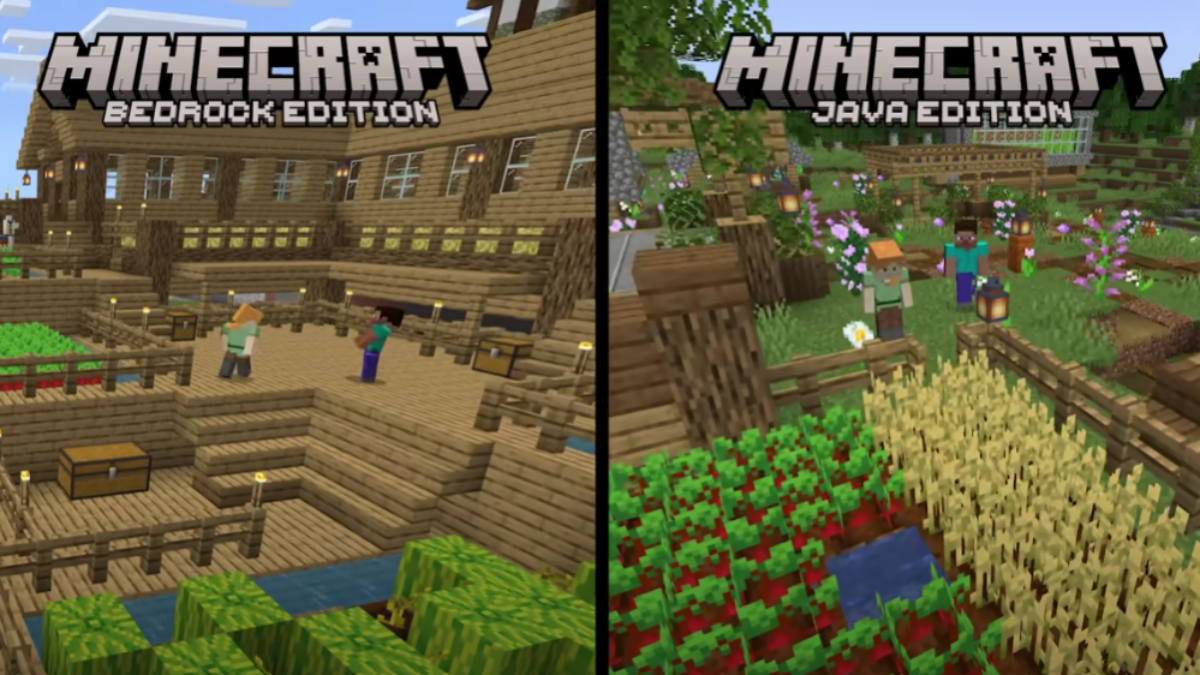
In video games like Minecraft, bedrock represents the ultimate physical limit—an indestructible barrier that players can never break in standard survival modes. Naturally, people wonder if bedrock is unbreakable in real life. The short answer is no. Real-world bedrock is composed of solid rock such as granite, basalt, or limestone, and it can be fractured, drilled, or blasted apart. However, while real bedrock isn't magically invincible, its actual mechanical properties and how it holds up the Earth's surface reveal a fascinating reality that is far more complex than simple fiction.
To understand how Earth's foundations behave, we have to look past pop culture and examine rock mechanics, compressive limits, and what happens when immense geological forces act on subsurface strata.
What Is Bedrock in Geological Terms?
Geologically speaking, bedrock is not a single uniform material or a secret bottom layer of the planet. It is simply the hard, solid rock that lies underneath loose surface soil, clay, sand, and gravel, which geologists call regolith.
Bedrock can sit right at the surface, exposed on mountain cliffs and roadcuts, or it can be buried beneath hundreds of meters of sediment in flat plains and river valleys. The type of rock making up this foundation varies wildly depending on local geology:
- Igneous rocks like granite and basalt form from cooled magma, providing immense structural integrity.
- Metamorphic rocks like gneiss and quartzite have been squeezed and heated deep underground, making them exceptionally durable.
- Sedimentary rocks like sandstone and limestone form from compacted layers of minerals or organic remains, offering varying degrees of hardness.
None of these materials are infinite in their resistance. Heavy machinery, diamond-tip drill bits, and controlled industrial explosives break through bedrock daily for mining tunnels, highway construction, and skyscraper foundations.
Why Bedrock Feels Unbreakable: Compressive Strength
If bedrock can be broken, why do civil engineers treat it with such reverence? The secret lies in compressive strength. Intact rock materials possess incredible load-bearing capabilities. While standard concrete used in commercial construction typically handles compressive stresses between 20 and 90 megapascals (MPa), fresh unweathered igneous rock can easily exceed 400 MPa.
This means a small square meter of solid granite bedrock can support thousands of tons of weight without crushing. When engineers build massive structures like the Burj Khalifa or massive gravity dams, they anchor them directly into bedrock because it provides a stable, unyielding platform that prevents settling and structural failure.
Yet, even under high compression, rock has limits. If stress exceeds the ultimate strength of the rock matrix, micro-fractures propagate, leading to plastic deformation and eventual structural failure.
The Myth of Depth: Does Pressure Make Earth Unbreakable?
A common misconception suggests that as you dig deeper into the Earth, the extreme lithostatic pressure compresses rock so tightly that it becomes entirely unbreakable. While extreme pressure does increase the density and initial hardness of certain formations, it also places stored strain energy into the rock mass.
Deep underground, miners frequently encounter a dangerous phenomenon known as rockbursts. Because the surrounding rock is under immense confining pressure, excavating a tunnel alters the stress equilibrium. The rock can violently shatter outward without warning, releasing energy like an underground explosion. Therefore, deep Earth materials are not invincible; rather, they exist in a volatile state of high physical stress.
Real-World Forces That Fracture Earth's Foundation
If humans can break bedrock with explosives, nature does it on an infinitely grander scale. Several natural mechanisms regularly fracture and reshape Earth's solid foundations:
- Tectonic Plate Movement: The crust of the Earth is fractured into moving plates. When these plates grind past each other along fault lines, the immense shear stress shatters bedrock over millions of square kilometers, creating earthquakes.
- Weathering and Erosion: Water seeps into tiny cracks within bedrock. When temperatures drop, that water freezes and expands, wedging the rock apart through frost wedging. Over long periods, chemical weathering dissolves soluble minerals in limestone and other strata.
- Glacial Scouring: During ice ages, massive glaciers weighing millions of tons slide across landscapes, scouring away soft dirt and aggressively plucking chunks of bedrock out of place.
Common Mistakes When Thinking About Earth Foundations
When discussing subsurface geology, people often fall into a few standard traps:
- Assuming bedrock is uniform: People picture a smooth, level sphere of solid rock wrapping the globe. In reality, the upper crust is fractured, tilted, weathered, and highly irregular.
- Confusing hardness with toughness: A mineral can be scratch-resistant (like quartz on the Mohs scale) yet brittle under impact. Bedrock can resist scratching while still failing completely under heavy tensile or shear loads.
- Treating rock as static: Geological foundations shift, creep, and deform over long epochs through ductile flow and mineral recrystallization.
Frequently Asked Questions
Is bedrock the deepest layer of the Earth?
No. Bedrock is simply the upper solid rock layer of the Earth's crust beneath surface soils. Beneath the crust lies the Earth's mantle, which consists of hot, semi-solid silicate rock, and deeper still, the liquid and solid iron-nickel core.
Can trees grow if bedrock is right at the surface?
Yes, though plants face a difficult environment. Tree roots must wedge themselves into existing fractures and joints within the rock to find moisture and anchor themselves, often resulting in stunted growth or specialized root systems.
How do engineers test the strength of bedrock before building?
Geotechnical engineers use core drilling rigs to extract cylindrical samples of subsurface rock. They test these samples in laboratories using uniaxial compression tests to measure exact load limits before approving construction designs.
Why don't earthquakes break all bedrock permanently?
Earthquakes happen along pre-existing fault lines where stress accumulates and releases suddenly. While the immediate rock along the fault shatters or grinds into powder (fault gouge), vast blocks of regional bedrock remain intact outside the immediate slip zone.
This video explores how bedrock behaves under real geological stress.