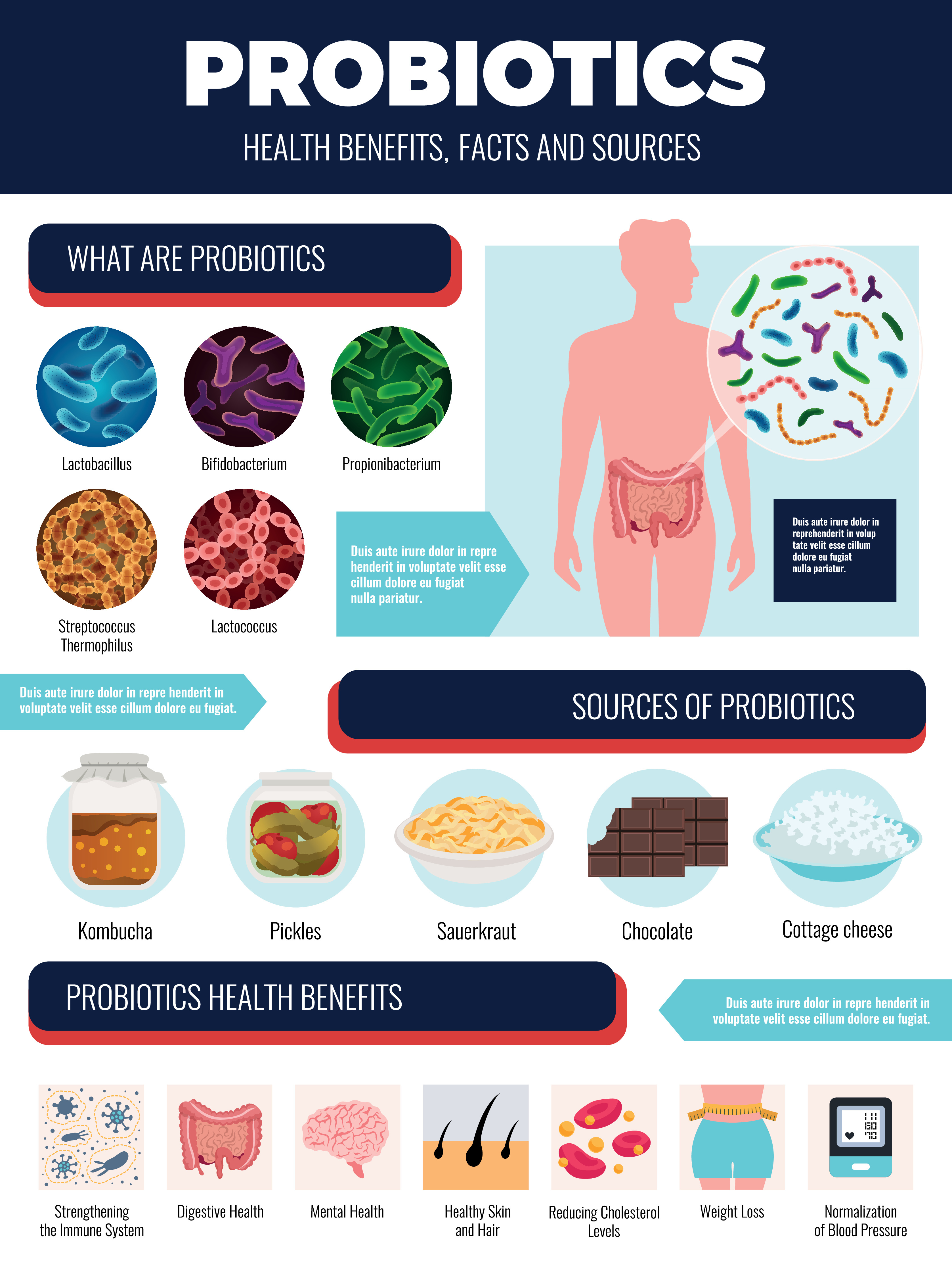
Starting a daily supplement with high hopes for better digestion only to end up doubled over with cramps or a pounding headache feels deeply frustrating. You expect relief, but instead, you feel worse. Probiotics can make you feel sick in some cases, and experts note that these adverse reactions usually stem from rapid shifts in your microbiome, histamine sensitivities, or bacterial overgrowth. Understanding why your body reacts poorly helps you adjust your routine safely.
When you introduce billions of live bacteria or yeasts into your gut, you trigger a massive ecological shift. Pathogens and resident microbes compete for resources, gas production spikes, and your immune system evaluates the new arrivals. If you experience mild bloating or gas during the first few days, it's often a normal adjustment period. However, persistent nausea, brain fog, or severe cramps mean your body is pushing back, and you need to change your approach.
Why Probiotics Cause Nausea, Bloating, and Headaches
Many people assume natural supplements cause zero side effects, but live microorganisms act as active biological agents. When they enter your digestive tract, several physiological mechanisms can trigger discomfort.
- Die-off and metabolite release: As beneficial bacteria crowd out harmful microbes, those dying pathogens release toxins and inflammatory byproducts into your gut, causing temporary fatigue and headaches.
- Rapid fermentation: Certain strains rapidly ferment dietary fibers in your small intestine rather than the colon, leading to intense gas, pressure, and abdominal distension.
- Histamine production: Several popular strains—such as Lactobacillus casei and Lactobacillus bulgaricus—produce histamine. If you have histamine intolerance, these strains trigger migraines, hives, or nasal congestion.
- Small intestinal bacterial overgrowth: If bacteria colonize your small intestine instead of staying in the large bowel, adding more via supplements creates an overpopulation crisis.
According to the National Center for Complementary and Integrative Health, probiotics are generally safe for healthy individuals, but those with compromised immune systems or underlying structural gut disorders face higher risks of adverse reactions.
Common Mistakes That Trigger Probiotic Side Effects
How you take your supplements matters just as much as the strains inside the capsule. Minor habit tweaks can eliminate your symptoms entirely.
- Starting with too many colony-forming units: Jumping straight into a 50-billion CFU supplement shocks an unaccustomed digestive tract.
- Ignoring strain specificity: Not all bacteria behave the same way. Taking a strain targeted for vaginal health when you want relief from occasional bloating brings zero benefits and potential friction.
- Dry swallowing on an empty stomach: Stomach acid destroys many live strains unless they have specific enteric coatings, while taking high-potency capsules without food can agitate the gastric lining.
- Combining conflicting products: Pairing high-dose multi-strain capsules with fermented foods like raw kefir and kombucha on day one overwhelms your system.
Actionable Steps If Your Probiotics Make You Feel Sick
If your supplement leaves you feeling unwell, don't just throw the bottle away and give up on gut health. Follow these practical steps to reset your routine safely.
- Stop use temporarily: Give your digestive tract 48 to 72 hours to clear the supplement and let acute bloating or nausea subside.
- Lower the dose: Cut your capsule in half if it's a powder, or switch to a lower-potency product featuring 1 to 5 billion CFUs.
- Change the timing: Take your supplement with a small meal containing healthy fats and protein to buffer stomach acid and slow down transit time.
- Inspect the strain list: Check the label for histamine-producing strains or dairy-derived fillers if you suspect an allergy or sensitivity.
- Consult a professional: If severe abdominal pain, high fever, or chronic diarrhea persists after stopping the supplement, speak with a gastroenterologist or clinical dietitian.
For deeper clinical insights on managing adverse supplement reactions, the Cleveland Clinic provides thorough guidance on navigating gastrointestinal sensitivities.
Frequently Asked Questions
How long do probiotic side effects last?
Mild adjustment symptoms like mild gas or light bloating typically fade within three to seven days as your microbiome adapts. If symptoms last longer than a week or cause severe pain, stop taking the product.
Can probiotics cause flu-like symptoms?
Yes. When beneficial bacteria destroy harmful pathogens, the resulting cellular debris and endotoxins can trigger a temporary immune response mimicking mild flu symptoms, often called a die-off reaction.
Are spore-forming probiotics less likely to cause nausea?
Soil-based or spore-forming strains (Bacillus species) remain dormant through the stomach acid and often cause less upper-GI bloating than high-dose Lactobacillus blends, making them a gentler alternative for sensitive individuals.
What is the best way to reintroduce probiotics?
Start slowly by eating small servings of fermented foods like plain yogurt or sauerkraut every other day before attempting another low-dose, single-strain supplement.


