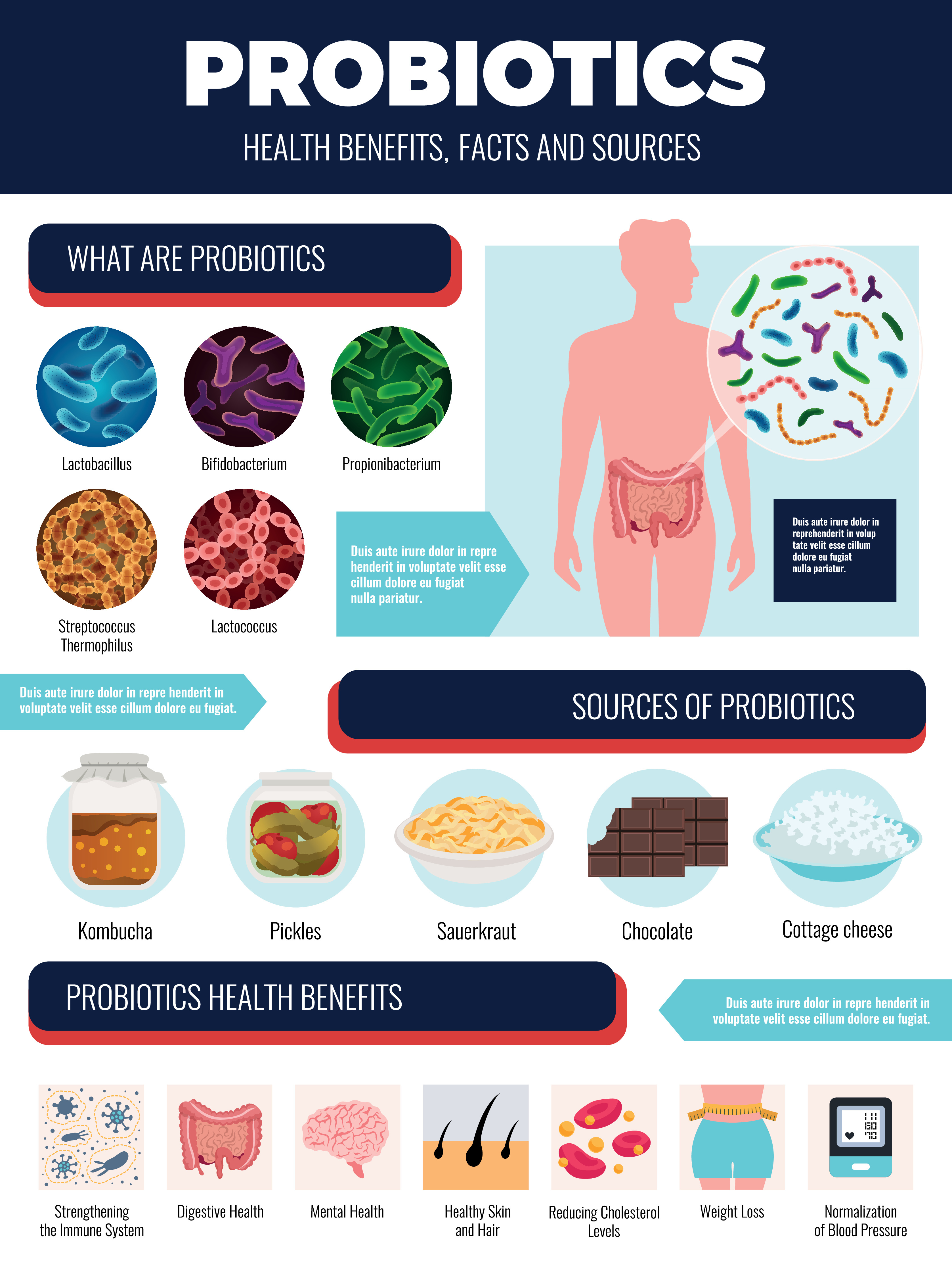
Navigating high-potency probiotic supplements can feel overwhelming, especially when formulations feature dense colony-forming unit counts and complex strain lineages. Microbiome Mojo, developed through The Gut Institute founded by Dr. Grace Liu, targets microbial diversity, digestive regularity, and immune resilience. Understanding how this specific supplement operates requires looking closely at its dual-action design, its strain lineup, and how it fits into a broader clinical protocol.
The core intent behind this formulation centers on seeding beneficial bacteria while overcoming the harsh acidic environment of the upper gastrointestinal tract. Unlike standard daily single-strain probiotics, Microbiome Mojo combines high-dose targeted lactic acid bacteria with hardy soil-based spore formers.
Decoding the Microbiome Mojo Formulation
The supplement relies on a dual-mechanism approach contained within a single capsule. Breaking down its components clarifies why it demands a specific dosing schedule rather than traditional daily use.
High-Potency Lactic Acid Strains
Each serving delivers a massive concentration of beneficial bacteria, anchoring heavily on strains of Bifidobacterium and Lactobacillus.
- Bifidobacterium longum: Often highlighted as a key ancestral microbe found in long-lived populations, this organism supports mucosal integrity and crowds out opportunistic pathogens.
- Complementary Bifido Strains: Includes Bifidobacterium lactis, Bifidobacterium bifidum, and Bifidobacterium infantis to support carbohydrate fermentation and short-chain fatty acid production.
- Lactobacillus Family: Features Lactobacillus rhamnosus, Lactobacillus salivarius, and Lactobacillus gasseri to assist with vaginal and intestinal mucosal defense, plus metabolic support.
Soil-Based Organisms
Lactic acid bacteria alone often struggle to survive transit through stomach acid and upper GI enzymes. To counter this, the formula incorporates spore-based probiotics.
- Ribospore (Bacillus pumilus) and companion bacillus strains provide 500 million viable hardy cells per capsule.
- These spore formers possess a natural protective shell that allows them to remain dormant through the stomach and activate lower in the intestinal tract where colonization can occur safely.
The Dosing Protocol and Frequency
Because each capsule packs 100 billion CFUs alongside spore-based organisms, standard daily dosing can overwhelm a sensitive digestive system. The manufacturer recommends taking one capsule every other day.
For advanced gut restoration protocols, users often alternate days between Microbiome Mojo and Bifido Maximus. This alternation prevents microbial congestion and gives the gut lining time to integrate the new metabolites. According to clinical guidance from functional practitioners like those outlined by Function Health, combining targeted supplementation with dietary diversity forms the backbone of true microbial rehabilitation.
Managing Die-Off and Adjustment Symptoms
When introducing a high-potency probiotic to a dysbiotic gut, side effects can occur. Users frequently report mild temporary changes during the first week of use.
- Initial Bloating: As transient bacteria are crowded out, metabolic gas production can temporarily spike.
- bowel Irregularities: Stool consistency may fluctuate for three to five days as gut motility normalizes.
- Mitigation Strategy: If discomfort becomes pronounced, opening the capsule and taking a fraction of the dose, or extending the interval to every three days, allows the microbiome to adapt gradually.
Common Mistakes to Avoid
Supplementing incorrectly diminishes results and wastes financial investment. Avoiding these pitfalls ensures better outcomes:
- Inconsistent Timing: Taking the capsules erratically prevents stable colonization. Keep a strict calendar for alternate-day dosing.
- Ignoring Dietary Fiber: Probiotics require prebiotic fuel to survive. Failing to eat a diverse array of plant fibers starves the newly introduced strains.
- Overlooking Clean-Up Phases: Seeding good bacteria without addressing active fungal overgrowths or pathogens can lead to frustration. Some protocols pair Mojo with botanical antimicrobials like Microb-Manager to clear bad bacteria first.
For further reading on how host genetics and environment shape microbial communities, review the Cleveland Clinic Guide to the Gut Microbiome.
Frequently Asked Questions
Does Microbiome Mojo require refrigeration?
No. The combination of spore-based organisms and stable encapsulation technology makes the product shelf-stable, which eliminates the need for refrigeration and simplifies travel.
Can I take this supplement with food?
Yes, you can take it with or without food. However, taking it with a light meal containing some healthy fats or complex carbohydrates can buffer stomach acid further and aid tolerance.
How long should I continue taking it?
Microbial maintenance is an ongoing process rather than a quick fix. While acute bloating or irregularity may resolve within a few weeks, long-term resilience requires sustained dietary habits and periodic probiotic support.
Is this formula suitable for people with gluten sensitivities?
Yes, the capsules are formulated without gluten, artificial fillers, or common food allergens. Always verify batch labels if you have severe anaphylactic sensitivities.