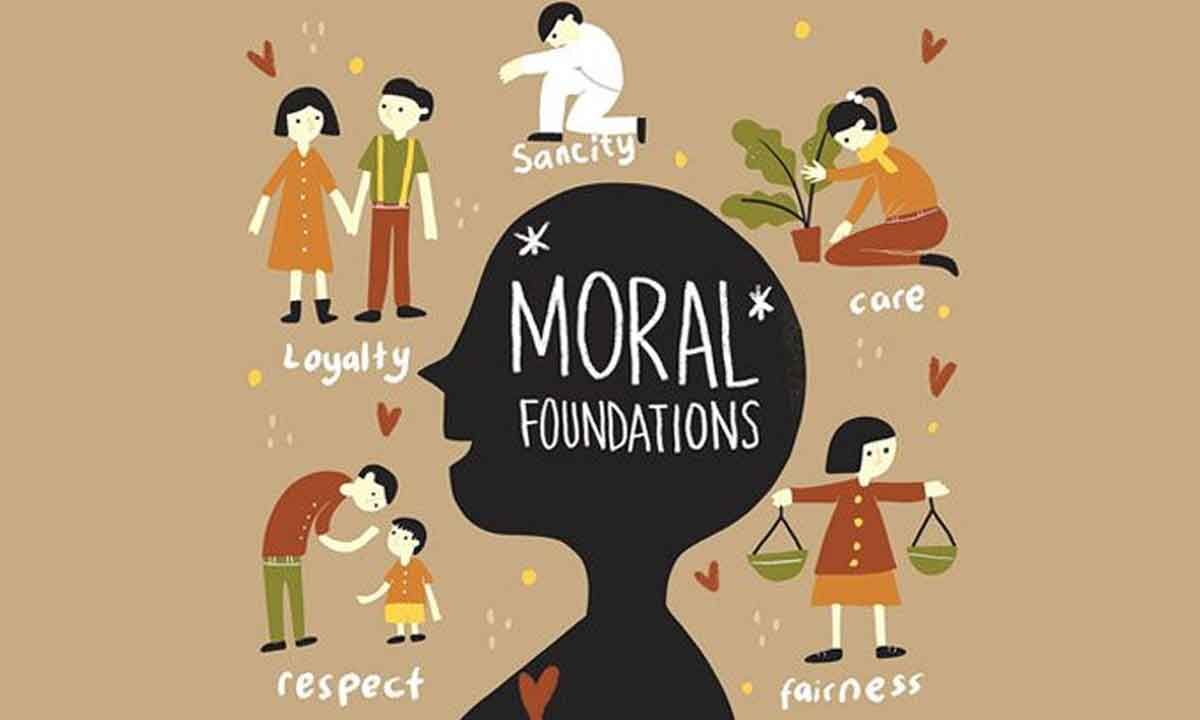
A moral obligation is an inner duty requiring someone to act in accordance with personal conscience and societal principles of right and wrong. Unlike legal duties enforced by state penalties or contracts backed by courts, this commitment relies entirely on personal integrity and social expectations. It forces individuals to choose actions based on fairness, empathy, and duty, even when nobody is watching.
Understanding this force helps explain why people risk their safety for whistleblowing, return lost wallets, or donate to charity anonymously. You don't face a jail sentence for ignoring a stranger in need, but you might face severe internal guilt. This invisible pressure shapes communities, builds economic systems, and creates the baseline trust required for modern civilization to function properly.
The Core Concept of Moral Obligation
Philosophy defines moral obligation as a duty derived from moral principles or ethical frameworks. Think of it as an internal compass that points toward what is right rather than what is convenient. Philosophers like Immanuel Kant argued that true moral actions stem from a sense of duty rather than a desire for personal gain. If you help someone only because you expect a reward, you aren't acting from a pure sense of duty.
You'll find that these obligations manifest in everyday scenarios. For example, if you accidentally scratch someone's parked car and nobody sees you, your legal risk is low if you drive away. Your moral obligation, however, tells you to leave a note with your contact details. This distinction highlights the gap between what the law requires and what conscience demands.
How Moral Obligations Drive Ethical Decisions
Decision-making under pressure often reveals whether someone prioritizes self-interest or duty. When corporate leaders face financial losses, they must decide whether to cut corners on safety. A strict focus on profit ignores moral duty. Conversely, acknowledging a moral obligation to the public forces leaders to invest in safe manufacturing processes, prioritizing human life over quarterly earnings.
Everyday choices follow the same pattern. When you witness workplace harassment, you might stay silent to protect your status or speak up to protect a colleague. Speaking up demands confronting social friction. It proves that your obligation to fairness outweighs your desire for comfort.
- Identify the ethical conflict in a given situation.
- Weigh the potential harm to others against personal convenience.
- Consult personal and cultural values regarding fairness and responsibility.
- Choose the course of action that honors duty over immediate self-interest.
The Foundation of Societal Trust
Societies cannot function purely on police enforcement. Laws only cover a fraction of human behavior. If people only obeyed rules when threatened with arrest, public life would collapse into chaos. Moral obligations fill the massive gaps left by legal codes. They create a predictable environment where strangers can cooperate safely.
Consider how financial markets rely on trust. Contracts matter, but business partners often depend on a shared understanding of fair dealing that goes beyond strict legal wording. When corporate entities act with integrity, they build a reputation that reassures investors and consumers. You can read more about regulatory standards and ethical frameworks through the Stanford Encyclopedia of Philosophy.
When ethical failures become widespread, societal trust erodes quickly. People become cynical, institutions lose credibility, and communities fracture. Rebuilding that trust takes decades because it requires consistent proof that individuals and organizations care about more than just their bottom line.
Common Mistakes in Evaluating Moral Duties
People often misinterpret or manipulate the concept of moral obligation to justify harmful actions or avoid responsibility. Recognizing these errors helps sharpen your own ethical reasoning.
- Confusing personal preference with duty: You might feel strongly about a political opinion and treat disagreement as a moral failure in others, even when the issue is subjective.
- Overextending responsibility: Trying to solve every global problem leads to burnout. A healthy moral framework recognizes boundaries and prioritizes direct spheres of influence.
- Using duty as control: Authority figures sometimes claim a moral obligation to restrict personal freedoms under the guise of public safety, overriding individual rights improperly.
- Rationalizing inaction: People often convince themselves that someone else will handle an emergency, absolving themselves of personal responsibility.
Practical Steps to Strengthen Ethical Clarity
Developing a stronger sense of personal duty doesn't happen by accident. It requires intentional reflection and practice. You can build better decision-making habits by examining your daily choices.
Start by auditing past decisions where you felt uneasy. Ask yourself what triggered that discomfort. Did you prioritize ease over what you knew was right? Pinpointing these moments trains your mind to spot ethical choices faster in the future.
Next, establish clear personal boundaries. Know what lines you refuse to cross in your career and personal life. When a difficult situation arises, having pre-determined values prevents you from rationalizing bad behavior in the heat of the moment. You can also explore governance insights from institutions like the World Bank to see how institutional ethics impact global development.
Frequently Asked Questions
What is the difference between a legal and moral obligation?
Legal obligations are enforced by the state through laws and penalties, while moral obligations rely on personal conscience, social norms, and ethical principles without legal enforcement.
Can a moral obligation change over time?
Yes. Societal values evolve, shifting what communities consider acceptable. Actions once viewed as acceptable practices often become recognized as moral violations as human rights awareness expands.
Does a moral obligation always require self-sacrifice?
Not always. While many moral choices involve putting others first, acting ethically often aligns with long-term personal well-being, healthy relationships, and community stability.
How do cultural differences affect moral duties?
Different cultures emphasize different values, such as individual autonomy versus collective harmony. These variations shape how communities define and prioritize specific moral responsibilities.