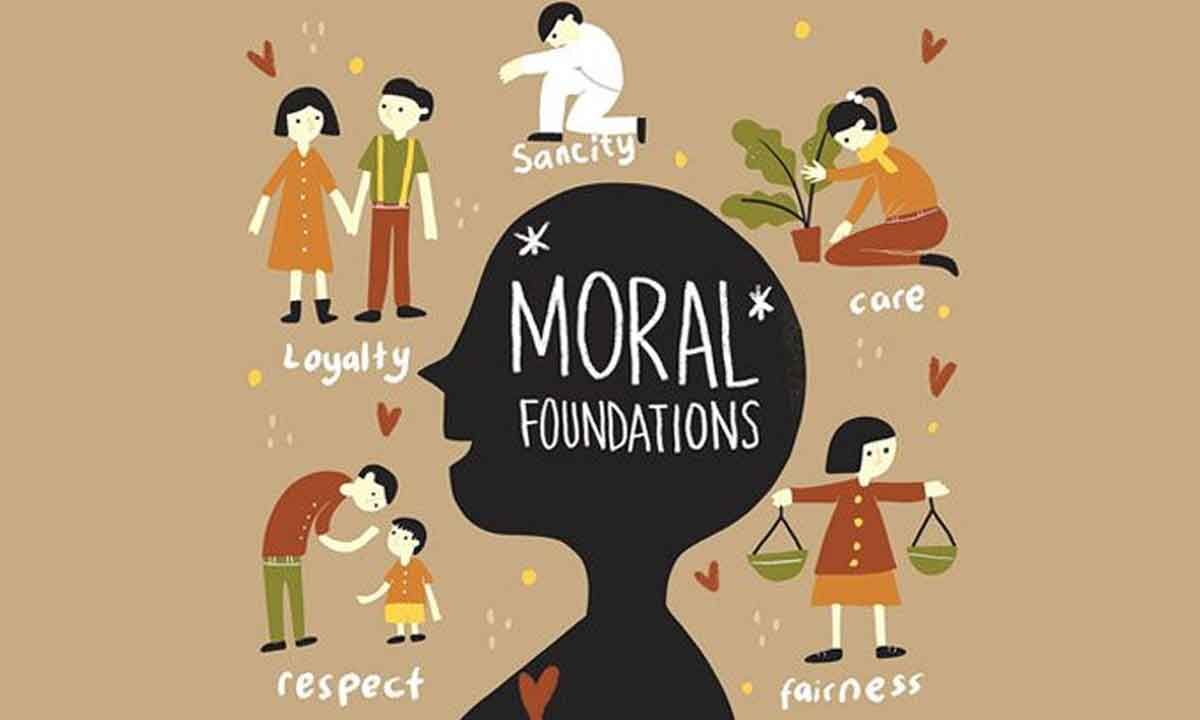
When everything in life feels uncertain, we often shift our opinions, change our career paths, or adapt our communication styles to fit new environments. Yet your personal identity—the core facts of who you are, your background, and your fundamental history—remains the one boundary you shouldn't cross. Lying about your fundamental identity destroys trust instantly, creating a deficit that takes years to rebuild.
The competitor article touches on honesty and identity, but it stays generic. It misses critical sub-questions: How do small white lies about identity snowball into catastrophic professional failure? What distinguishes healthy personal evolution from dishonest fabrication? And how do background checks and digital footprints make identity deception nearly impossible to sustain long-term? This article answers those questions directly, offering actionable steps for maintaining radical authenticity without sacrificing personal privacy.
The Anatomy of Identity Deception
Identity deception isn't always a dramatic fake passport or a completely fabricated resume. More often, it starts with subtle embellishments: shaving off an employment gap, rounding up a degree, or adopting an aesthetic and background that isn't yours to fit into a social circle.
When you lie about your identity, you create a split reality. You spend cognitive energy maintaining two versions of your life: the true story and the performance. Over time, this split erodes your mental health. According to psychological research on cognitive load, keeping track of falsehoods increases stress and anxiety, clouding decision-making in high-pressure situations.
- The Performance Trap: When your relationships are built on a false premise, you can't relax. You're constantly auditioning for a character you invented.
- The Compounding Effect: One small fib about your past requires three more to cover it up, turning a minor omission into a complex web of deceit.
- The Fragility of Success: Any achievement built on a false foundation remains fragile. It can collapse overnight when a single fact gets verified.
Professional Consequences: Why Resume and Credential Lies Always Fail
In the workplace, honesty about your professional history is non-negotiable. Many professionals think minor exaggerations on applications are harmless, assuming employers care only about current output. In reality, hiring managers view resume fraud as a signal of future behavior.
If someone lies to get hired, they've demonstrated that they prioritize short-term personal gain over institutional trust. Modern verification tools make catching these lies easier than ever. Background check firms don't just verify job titles; they cross-reference tax records, educational clearinghouses, and professional licensure databases.
Consider the common pitfalls professionals face when trying to polish their CVs:
- Inflating Job Titles: Changing "Coordinator" to "Director" might seem minor, but it alters the scope of expected competencies during performance reviews.
- Stretching Employment Dates: Covering up a termination or a prolonged layoff by extending previous tenure dates creates discrepancies during standard payroll and tax verifications.
- Falsifying Degrees: Claiming a completed degree when you only completed coursework is grounds for immediate termination under standard corporate compliance policies, regardless of how well you perform your daily tasks.
For official guidance on employment standards and verification practices, consult the U.S. Equal Employment Opportunity Commission guidelines on background checks and hiring transparency.
Personal Relationships and the Cost of Fabricated Backgrounds
In personal life, the temptation to lie often stems from insecurity. People may fabricate financial stability, hide past struggles, or misrepresent their relationship history to win affection or avoid judgment.
However, intimacy requires vulnerability. When you lie about your background, you deny your partner the chance to know the real you. Even if the relationship lasts, a foundational lie acts as a glass ceiling for emotional closeness. Your partner might love the persona, but they remain isolated from the person.
- The Illusion of Protection: Many believe hiding negative history protects a relationship. In practice, discovery usually causes more trauma than early disclosure.
- Resentment and Paranoia: The person who lies often develops paranoia, suspecting others of dishonesty or fearing that casual questions are traps designed to expose them.
Growth vs. Fabrication: How to Evolve Without Lying
A common fear is that if you tell the absolute truth about your past, you'll be trapped by it forever. This is a false dichotomy. You can change your life entirely without lying about where you started.
Transformation requires owning your history while building a new trajectory. If you struggled with debt, addiction, or career failure in the past, rehabilitation and personal growth are powerful narratives. They demonstrate resilience. Fabricating a clean slate avoids the hard work of actual self-improvement.
- Own Your Timeline: Acknowledge past mistakes or difficult circumstances as part of your development rather than scrubbing them from your history.
- Focus on Present Action: Let your current habits, reliability, and work ethic speak for themselves. True confidence doesn't need a manufactured backstory.
- Protect Your Privacy Without Lying: You are not obligated to share every personal detail with everyone you meet. There is a vast difference between maintaining healthy privacy and telling an outright falsehood. You can politely decline to discuss sensitive topics without inventing a cover story.
Frequently Asked Questions
What should I do if I lied on a resume in the past?
If the lie is recent and material to your current role, honesty is usually the best policy, though it carries risks. Many professionals choose to quietly update their LinkedIn profiles and resume records to reflect accurate dates and titles before applying for new roles, ensuring future applications remain pristine.
Is omitting information the same as lying about your identity?
Omission becomes lying when it involves active deception—such as staying silent while someone makes a false assumption about your credentials or background to give you an advantage.
How can I build trust after making mistakes in my past?
Trust is rebuilt through radical consistency over time. Show up reliably, admit errors quickly when they happen, and let your actions outpace your words.
Where can I find resources on personal ethics and professional integrity?
For deeper reading on ethical frameworks and workplace integrity, review publications from institutions like the Ethics & Compliance Initiative.