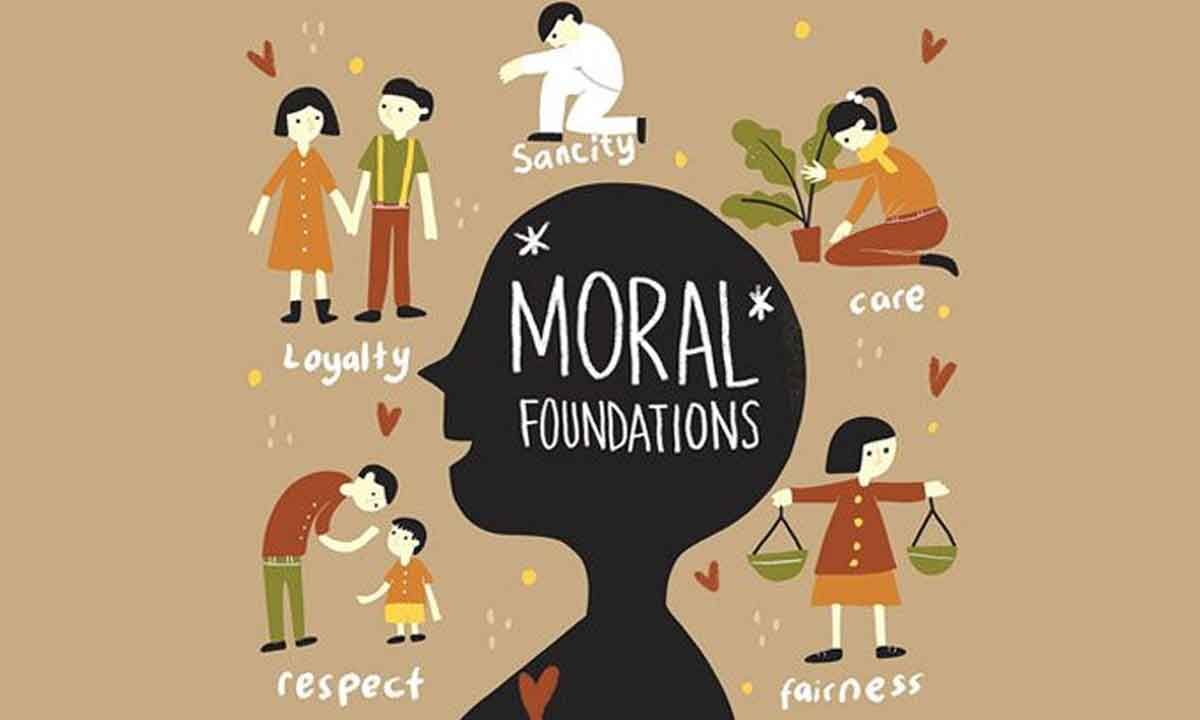
When you picture a delinquent, you likely think of rule-breaking, disregard for social contracts, and a willful drift from community norms. But looking at the exact opposite reveals more than just a well-behaved citizen. The true mirror image of delinquency is found in active virtue, deep personal responsibility, and steadfast civic integrity. Moving past simple obedience requires examining how moral character sustains communities from the ground up.
Exploring this concept means looking past the surface of mere compliance. True opposite behavior isn't about avoiding punishment out of fear; it's about a proactive commitment to the collective good. Let's break down what anchors this ethical stance, how it manifests in everyday life, and why it matters for modern society.
Moving Beyond Mere Obedience
Many people assume the direct antonym of a delinquent is someone who simply follows the rules without question. While compliance keeps traffic flowing and lines orderly, it doesn't capture the full weight of civic virtue.
Consider the difference between a person who obeys laws solely to avoid a fine and someone who honors the spirit of a community because they value human well-being. The former is compliant; the latter possesses genuine integrity. True moral opposites to delinquency don't just stay out of trouble—they actively contribute to an environment where trouble is less likely to take root.
- Passive Compliance: Doing what is required only when watched or enforced.
- Active Stewardship: Taking personal ownership of shared spaces, rules, and community health.
- Ethical Courage: Standing up for community standards even when it's uncomfortable or unpopular.
The Pillars of Civic Integrity
Civic integrity doesn't happen by accident. It rests on specific behavioral pillars that actively counter the neglect and defiance characteristic of delinquency.
Uncompromising Accountability
Where delinquency seeks to deflect blame, the virtuous individual embraces accountability. This means owning mistakes quickly, honoring commitments, and recognizing that individual actions ripple outward to affect neighbors, coworkers, and strangers alike.
Proactive Social Responsibility
Responsibility means shifting the internal question from “What can I get away with?” to “What is my duty to this group?” This trait shows up in small choices, like cleaning up public spaces, participating in local governance, or mentoring younger generations.
Empathy as a Social Glue
Delinquency often stems from a disconnect or lack of empathy for the impact of one's actions on others. The opposite framework places high value on perspective-taking. When you genuinely understand how your choices affect the collective, harming the community feels like harming yourself.
Cultivating Virtue in Daily Life
Building a life anchored in virtue and civic integrity requires intentional habits. It's not an innate trait given to a lucky few; it's a muscle built through consistent daily choices.
- Examine your commitments: Check if your everyday promises—big and small—are kept with care. Reliability is the bedrock of trust.
- Engage locally: Attend a neighborhood meeting, support local public initiatives, or simply check in on vulnerable neighbors. Connection breeds investment.
- Practice ethical consistency: Do the right thing when nobody is watching. True integrity remains steady whether public praise is present or absent.
According to research from institutions like the Brookings Institution, community resilience heavily depends on social trust and civic participation, proving that individual moral choices scale up into societal stability.
Common Pitfalls on the Path to Integrity
Even well-meaning people stumble when trying to embody high civic standards. Recognizing these traps helps keep your moral compass true.
- Self-Righteousness: Believing that following rules makes you morally superior to others breeds division rather than community health. Integrity requires humility, not arrogance.
- Burnout from Over-Functioning: Trying to fix every broken system in your town single-handedly leads to exhaustion. Sustainable virtue balances personal limits with steady contribution.
- Blind Conformity: Confusing integrity with unquestioning obedience to authority. Real civic virtue sometimes requires civil disobedience when laws themselves fail ethical tests.
For instance, historical figures who pushed for civil rights broke specific unjust laws while upholding the deeper, truer principles of human dignity and justice. They weren't delinquents; they were radical practitioners of higher civic integrity.
Frequently Asked Questions
Is obedience the same thing as virtue?
No. Obedience is compliance with authority, which can sometimes be coerced. Virtue involves an internal moral compass and a voluntary choice to act for the greater good, even when compliance isn't monitored.
How does civic integrity impact local communities?
High civic integrity builds social trust, lowers crime rates, improves public infrastructure maintenance, and creates robust support systems during crises. People look out for one another because they share a collective stake in the area's success.
Can delinquent habits be transformed into civic responsibility?
Yes. Psychology and criminal justice studies show that individuals caught in delinquent patterns often transform when given meaningful responsibilities, mentorship, and a genuine sense of belonging within a community.
What is the difference between personal morality and civic integrity?
Personal morality governs how you treat individuals in your private life, like family and friends. Civic integrity extends those moral obligations outward into the public sphere, focusing on your duties toward strangers, public institutions, and shared community spaces.