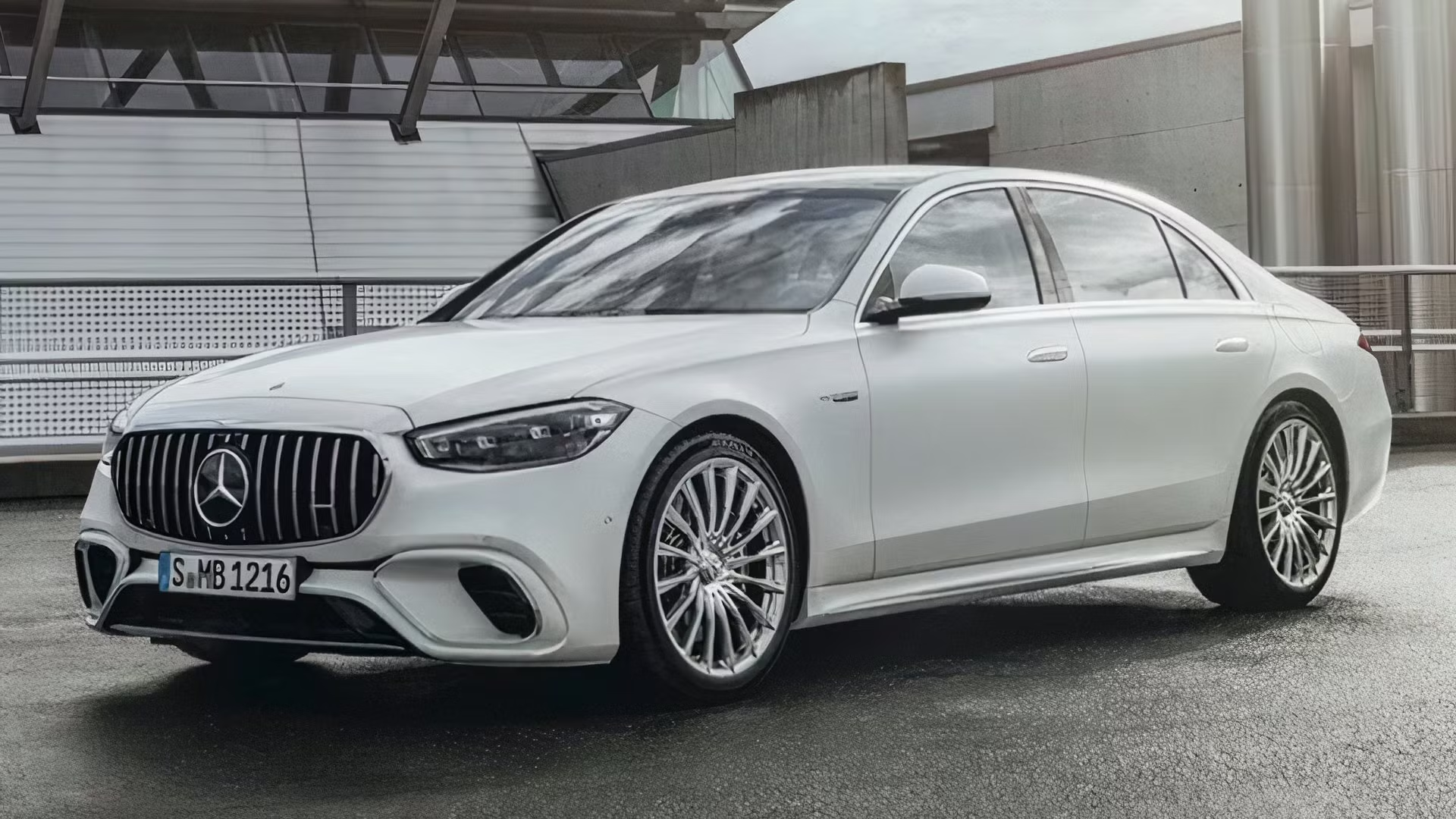
The Mercedes-Benz W124 represents an era when cars were built to a standard rather than down to a price. Developed under the watch of chief engineer Bruno Sacco and legendary technical director Werner Breitschwerdt, this executive saloon set a benchmark for durability that modern vehicles rarely approach. While current manufacturers rely on planned obsolescence and cost-cutting, the W124 was born from an unrestricted R&D budget. It prioritized longevity, aerodynamic efficiency, and absolute occupant safety above all else.
If you're looking to understand why this specific chassis earned a legendary reputation, you have to look past the badge and examine the engineering philosophy. Every component, from the patented multi-link rear suspension to the gas-assisted bonnet hinges, was designed to function flawlessly for decades. Let's break down what makes this generation a defining milestone in automotive history and what you need to look out for if you're buying one today.
The Genesis of Uncompromising Over-Engineering
When Mercedes-Benz launched the W124 in late 1984 as the successor to the W123, they weren't trying to chase fleeting design trends. They spent billions of Deutsche Marks on development, utilizing computer-aided design extensively and wind tunnels to achieve a drag coefficient of just 0.29. That aerodynamic figure was revolutionary for a boxy three-box sedan, drastically improving fuel economy and high-speed stability on the Autobahn.
The body shell made extensive use of high-strength alloy steels, strategically placed to create a rigid safety cell while keeping overall weight remarkably low. Unlike its predecessor, which favored heavy, old-school steel construction, the W124 balanced weight savings with structural integrity. The single windscreen wiper mechanism was an engineering marvel in its own right, utilizing an eccentric arm to sweep the corners of the glass—a complex solution to a simple problem that lesser manufacturers would have solved with two cheaper, overlapping blades.
Mechanical Brilliance and Powertrain Diversity
The engineering integrity of the W124 shines brightest in its mechanical robustness. Early models featured reliable inline-four and inline-six petrol engines, alongside naturally aspirated and turbocharged diesel units that could easily cross the 500,000-mile threshold with basic maintenance.
- The M103 and M104 Petrol Engines: These silky-smooth inline-six powerplants offer effortless cruising capabilities. While the KE-Jetronic mechanical fuel injection on earlier variants requires a knowledgeable mechanic to tune, it's remarkably durable when fed clean fuel.
- The OM602 and OM603 Diesels: Virtually indestructible, these diesel engines made the car a favorite for taxi fleets across Europe. They lack modern speed, but their mechanical fuel pumps mean they can run even if the vehicle's alternator fails completely.
- The Multi-Link Rear Suspension: Perhaps the single most important mechanical innovation of the car, this setup revolutionized rear-wheel-drive handling. It eliminated the twitchiness of older swing-axle designs, providing plant-like stability through fast corners without compromising ride comfort.
For performance enthusiasts, the collaboration with Porsche yielded the legendary 500E (later renamed E500). Hand-assembled by Porsche in Zuffenhausen, this sleeper sedan squeezed a 5.0-litre V8 under the bonnet, transforming an executive commuter into a genuine sports car killer.
Known Weaknesses and Maintenance Realities
No classic car is entirely bulletproof, and owning a W124 today requires knowing its specific failure points. Because these cars are aging, deferred maintenance can turn a bargain find into a financial black hole.
- Biodegradable Wiring Harnesses: Models produced between 1993 and 1995 used eco-friendly, soy-based insulation for engine bay wiring. Over time and exposure to heat, this insulation cracks, exposing bare copper and causing erratic electrical faults. Check if the harness has already been replaced with updated OEM wiring.
- Head Gasket Seepages: Straight-six M104 engines are prone to oil weeping at the rear passenger-side corner of the cylinder head. While it's a known maintenance item rather than an immediate cataclysm, budgeting for a head gasket job is standard practice.
- Corrosion Hotspots: Although the factory galvanization was superb for its era, rust can still hide in predictable areas. Inspect the jacking points on the sills, the lower front wing edges near the bumper, and the front spring perches. A compromised spring perch is dangerous and requires immediate structural welding.
For official historical background and specifications on classic iterations, you can read more via the Mercedes-Benz Heritage archives. If you need deeper technical documentation for repairs, forums like Pelican Parts offer comprehensive community DIY guides.
Frequently Asked Questions
Is a Mercedes W124 reliable enough for daily driving?
Yes, many enthusiasts still use them as daily drivers. Their mechanical simplicity makes them easier to service at home compared to modern computer-laden vehicles, provided you buy a rust-free example and address preventive maintenance immediately.
Which W124 engine is the best choice?
For a balanced mix of classic character and usable power, the 300E (inline-six petrol) or the E320 are fantastic choices. If fuel economy and legendary longevity are your main priorities, look for a late-model OM606 or OM603 turbodiesel.
How do I check for hidden rust on a W124?
Always lift the car on a ramp. Pay close attention to the plastic jacking point covers—remove them to inspect the inner sills. Check the wheel arch lips beneath the protective cladding and inspect the front suspension turrets inside the engine bay.
Are spare parts expensive or hard to find?
Thanks to massive production numbers spanning over a decade, OEM and aftermarket replacement parts are widely available through classic Mercedes specialists, making restoration much more straightforward than for low-volume classic sports cars.



