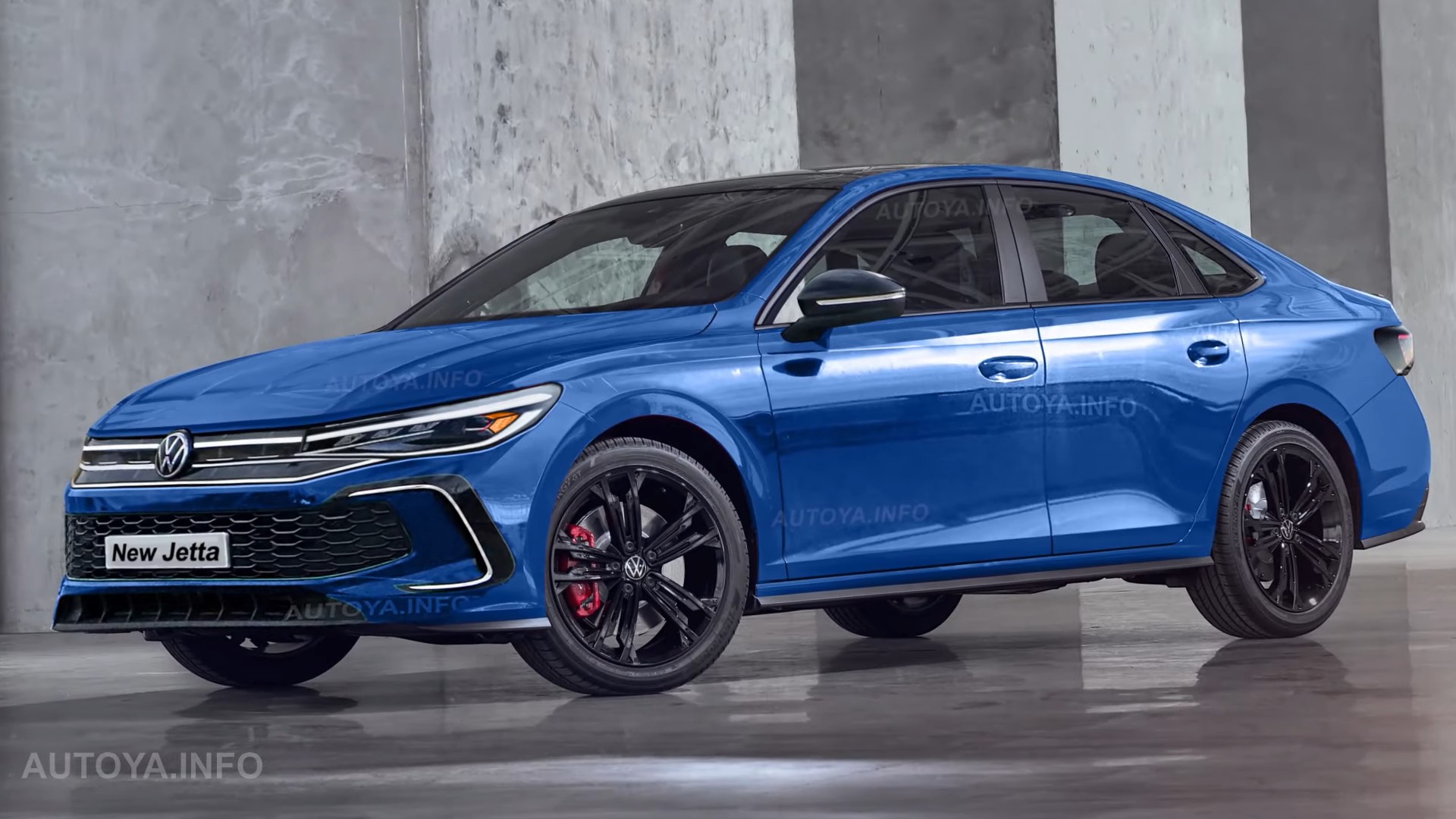
When Volkswagen dropped a massive 4.0-liter W8 engine into the unassuming B5.5 Passat chassis in the early 2000s, the automotive landscape was entirely unprepared. Marketed as an audacious executive express, the Volkswagen Passat W8 was an engineering flex designed to nudge VW into the luxury territory traditionally dominated by Audi, BMW, and Mercedes-Benz. Today, this forgotten powerhouse remains an intriguing unicorn for enthusiasts willing to tolerate its legendary maintenance quirks.
Underneath its subtle bodywork lay a bespoke powertrain that served as a technological testbed for the Volkswagen Group's more extravagant ventures, including the W12 engines found in the Bentley Continental GT and Volkswagen Phaeton. While it didn't conquer the sales charts during its brief production run from 2002 to 2004, it commands a cult following now. Understanding what makes this machine tick requires looking past the badge and examining the complex engineering choices that make it both brilliant and deeply frustrating.
The Engineering Behind the W8 Engine
The defining characteristic of the Passat W8 is its compact, layout-defying powerplant. Rather than using a conventional inline or V-configuration, Volkswagen engineered a narrow-angle W-engine layout. Two narrow 15-degree VR4 cylinder banks were mated to a common crankshaft at a 72-degree angle, creating a compact block that could fit transversely or longitudinally into a mid-sized engine bay.
This 4.0-liter naturally aspirated unit produced 275 horsepower at 6,000 rpm and 273 lb-ft of torque from a flat plateau starting at 2,750 rpm. Power was channeled through Volkswagen's trademark 4MOTION permanent all-wheel-drive system, utilizing either a six-speed manual transmission—a rare find treasured by purists—or a five-speed Tiptronic automatic. As highlighted in detailed coverage by Reuters, the implications are widespread.
The engine architecture achieved an exceptionally smooth idle and a distinctive exhaust note that sounded less like a standard family sedan and more like a refined exotic. Yet, packing eight cylinders into such a tight space created severe packaging and thermal management challenges that directly impacted long-term reliability.
Performance and Real-World Driving Dynamics
Out on the open road, the Passat W8 punched well above its weight class, though its character differed from modern forced-induction cruisers. Weighing nearly 3,800 pounds due to the heavy iron-block-and-alloy combination up front, the car felt planted and secure, especially in adverse weather conditions thanks to the mechanical Torsen-based 4MOTION system.
Zero to sixty miles per hour arrived in roughly 6.5 seconds for the manual variant, a respectable figure for a mid-size sedan in 2003. Acceleration was linear and relentless rather than neck-snapping, pulling smoothly through the rev range with a cultured howl.
However, fuel economy was a noted weakness. Real-world fuel consumption hovered stubbornly around 16 to 18 mpg in mixed driving, and enthusiastic runs dropped that figure into the low teens. Combined with a relatively small fuel tank, frequent stops at the gas station became a routine part of ownership.
Known Weaknesses and Common Mechanical Failures
The primary reason the Passat W8 depreciated so drastically is its formidable maintenance ledger. Because the engine bay is packed to maximum capacity, routine service operations often require putting the car into "service position"—removing the entire front bumper, headlights, and radiator support—just to access basic ancillaries.
Camshaft Adjuster and Timing Chain Wear
The most notorious issue affecting the W8 engine is premature failure of the variable cam adjusters and internal timing chain guides. The engine uses a complex multi-chain setup located at the rear of the block, facing the firewall. When the internal lubrication screens clog or the adjusters fail, it triggers timing faults (codes P0011 and P0021), rough idles, and a distinct rattling noise. Repairing this requires pulling the entire engine and transmission assembly out of the car, leading to labor bills that can easily exceed the total market value of the vehicle.
Automatic Transmission Torque Converter Issues
Models equipped with the five-speed Tiptronic automatic transmission frequently suffer from premature torque converter failure. Symptoms include transmission slip, fluid leaks, harsh engagement, and diagnostic trouble codes P0740 or P0741. Rebuilding or replacing the automatic unit is a specialized task that demands deep pockets.
Coolant Mixing and Heater Core Blockage
The cooling system requires strict adherence to factory fluid specifications. Mixing incompatible coolants creates a chemical reaction that forms a thick sludge, rapidly clogging the heater core and causing cabin heating failures. Flushing the system requires patience and precise bleeding procedures to avoid localized hot spots in the aluminum block.
Peripheral Gremlins
Beyond the heavy mechanical items, the W8 shared standard B5.5 platform vulnerabilities. Water ingress from clogged under-windshield plenum drains can flood the cabin floorboards, soaking the comfort control module housed beneath the driver's carpet. Furthermore, interior trim pieces like the sun visors—equipped with integrated garage door opener buttons—are known to structurally disintegrate over time, with replacement parts commanding exorbitant sums.
Buying and Owning a Passat W8 Today
Finding a Volkswagen Passat W8 on the used market requires extreme selectivity. Clean examples with documented service histories are exceedingly rare. When evaluating a prospective purchase, prioritize the following steps:
- Audit the Service Binder: Walk away from any vehicle lacking comprehensive maintenance records. A gap in the service history usually signals an impending financial disaster.
- Inspect Cold Start Behavior: Always start the car stone cold. Listen closely for any chain rattle or valve train clatter during the first thirty seconds of operation.
- Verify Transmission Engagement: Test drive both hard and soft throttle applications to check for flare, hesitation, or shuddering from the torque converter.
- Check the Footwells: Feel the carpets beneath the driver and passenger seats for dampness, which indicates compromised plenum drains and electrical risks.
For collectors or dedicated wrenchers who can perform their own labor, a well-maintained W8 offers an unmatched sleeper experience. For daily-driver duties on a budget, it remains a high-risk venture. To explore how Volkswagen approached this era of platform sharing, review the historical archives at Car and Driver.
Frequently Asked Questions
How many Volkswagen Passat W8 models were built?
Production numbers are scarce, but total global output is estimated to be around 11,000 units across both sedan and wagon body styles, with only a small fraction exported to North America.
Is the manual transmission version significantly better than the automatic?
Yes. The six-speed manual variants are vastly preferred by enthusiasts because they avoid the chronic torque converter failures associated with the Tiptronic automatic and unlock more responsive power delivery.
Can a standard mechanic service a Passat W8 engine?
Most general repair shops turn away W8 models due to the lack of specialized tooling and the extreme tightness of the engine bay layout. Servicing typically requires an independent specialist experienced in complex Volkswagen-Audi Group mechanics.
What cars are similar to the Passat W8 in spirit?
Contemporary alternatives include the Audi S6 (C5 generation) featuring a 4.2-liter V8, the BMW 540i (E39), and the Mercedes-Benz E430 (W210), all of which offered executive V8 performance wrapped in conservative styling.



