When you're exploring the world of fortified wines, Madeira and Sherry often land in the same conversation. Both are historical styles fortified with grape spirit, and both can range from bone-dry to intensely sweet. However, they come from completely different parts of the world, use distinct grape varieties, and undergo contrasting aging processes that give them unique flavor profiles and incredible longevity.
At a glance, Sherry hails from the chalky soils of southern Spain and relies on the dynamic solera fractional blending system, while Madeira comes from a rugged Portuguese island off the coast of Africa and is purposely heated and exposed to oxygen, making it practically indestructible. Understanding how these two fortified heavyweights diverge helps you pick the right bottle for sipping or cooking.
Geographic Origins and Terroir
Geography dictates the foundational characteristics of both wines.
- Sherry: Produced exclusively within the "Sherry Triangle" in Andalusia, Spain, encompassing Jerez de la Frontera, Sanlúcar de Barrameda, and Puerto de Santa María. The region features albarriza, a porous, chalky white soil that absorbs rare rainfall and locks moisture into the roots during scorching summers.
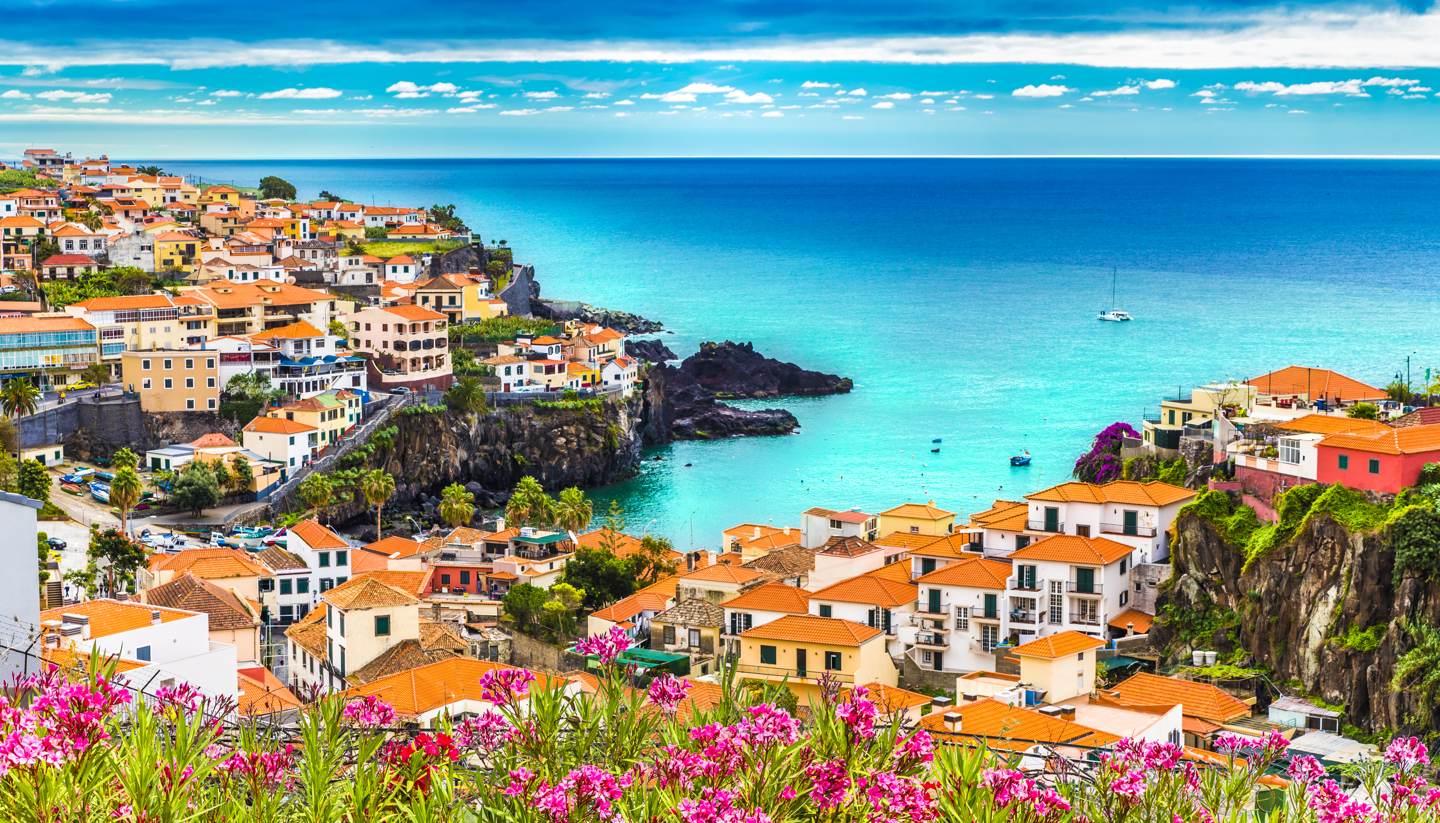
- Madeira: Produced on the Portuguese volcanic island of Madeira, situated in the Atlantic Ocean. Steep terraced vineyards, high humidity, and volcanic soils create a completely different viticultural environment.
Grape Varieties and Styles
The grapes used in each region determine the baseline sugar levels and structural acidity of the final wine.
Sherry Grapes and Styles
Sherry relies primarily on three grape varieties:
- Palomino: The workhorse grape for dry styles. It yields a neutral base wine that allows the aging process to shine.
- Pedro Ximénez (PX): Sun-dried grapes that produce intensely sweet, dark, syrupy wines packed with raisin and fig notes.
- Moscatel: Used to create aromatic, naturally sweet dessert sherries.
Sherry styles span a wide spectrum based on how they mature. Fino and Manzanilla age under a protective layer of yeast called flor, keeping them fresh, pale, and dry. Amontillado starts under flor before the yeast dies off, exposing the wine to oxygen for a nutty, amber-colored profile. Oloroso is fortified higher to prevent flor growth entirely, resulting in a rich, dark, oxidative style.
Madeira Grapes and Styles
Madeira uses specific noble grape varieties that traditionally dictate sweetness levels from driest to sweetest:
- Sercial: The driest style, offering high acidity, crisp citrus notes, and a sharp, nutty finish.
- Verdelho: Medium-dry, featuring smoky notes coupled with bright acidity.
- Bual (Boal): Medium-rich, displaying dark caramel, coffee, and dried fruit flavors.
- Malvasia (Malmsey): The sweetest style, luscious and thick with notes of chocolate, honey, and spice.
Winemaking and Aging: Solera vs. Heat
The most dramatic difference between the two lies in how they are aged and stabilized.
Sherry utilizes the solera system, a nursery of tiered oak barrels. Younger wine is periodically blended into older casks, ensuring consistent flavor profiles year after year. No single vintage dominates a traditional Sherry, as it represents a continuous marriage of multiple years.
Madeira takes the opposite approach through deliberate heat exposure, mimicking the conditions of historic sea voyages where barrels crossed the equator. Modern producers use either estufagem (warming tanks heated by serpentines of hot water for at least three months) or canteiro (storing casks in warm attics for decades). This process bakes the wine, caramelizing the sugars and oxidizing the liquid completely. Because Madeira is already heat-damaged and oxidized by design, an open bottle can last for months—or even decades—on a shelf without spoiling.
You can learn more about regional winemaking standards through the Jerez Regulatory Council.
Culinary Uses and Food Pairing
Because of their divergent flavor profiles, Sherry and Madeira play distinct roles in the kitchen and at the dining table.
Dry Sherries like Fino or Manzanilla act as exceptional partners for tapas, salted almonds, olives, and fresh seafood due to their crisp, salty bite. Richer styles like Oloroso or PX complement roasted meats, blue cheeses, and rich chocolate desserts.
Madeira brings immense depth to pan sauces, gravies, and reductions. A splash of Bual or Verdelho transforms a mushroom pan sauce or beef stew. When served on its own, chilled Sercial pairs nicely with light appetizers, while sweet Malmsey pairs with fruit tarts, nuts, or hard cheeses.
Common Mistakes to Avoid
When buying or storing these fortified wines, enthusiasts often run into a few common pitfalls:
- Treating open Sherry like regular wine: Unopened dry Sherry keeps well for a short time, but once opened, styles like Fino lose their fresh character within days if left unrefrigerated. Store open bottles in the fridge and consume them quickly.
- Assuming all fortified wine is sweet: Many beginners assume Sherry and Madeira are dessert wines. In reality, styles like Sercial Madeira and Fino Sherry are bone-dry.
- Storing Madeira in dark, cold cellars: Madeira thrives on heat and temperature fluctuation. Keeping it in a cold, damp cellar misses the point of its heat-treated maturation.
Frequently Asked Questions
Can I substitute Madeira for Sherry in a recipe?
In a pinch, yes, but expect a flavor shift. Madeira brings a distinct caramelized, nutty sweetness with high acidity, whereas Sherry can range from crisp and yeasty to intensely syrupy. Match the sweetness level of the recipe if you swap them.
Why does Madeira last so long after opening?
Madeira undergoes extreme heating and oxidation during production. Because it is already baked and oxidized, exposure to air after opening doesn't degrade the liquid, allowing an open bottle to last for months.
Is Port the same thing as Madeira and Sherry?
No. While all three are fortified wines, Port originates from the Douro Valley in Portugal, is made from red grapes, and is fortified during fermentation to retain natural residual grape sugar, making it fruitier and heavier than most Sherries or Madeiras.
Which wine is better for beginners?
If you prefer crisp, dry profiles, try a chilled Fino Sherry. If you enjoy rich, sweet dessert flavors with notes of caramel and fig, try a Malmsey Madeira or a Pedro Ximénez Sherry.