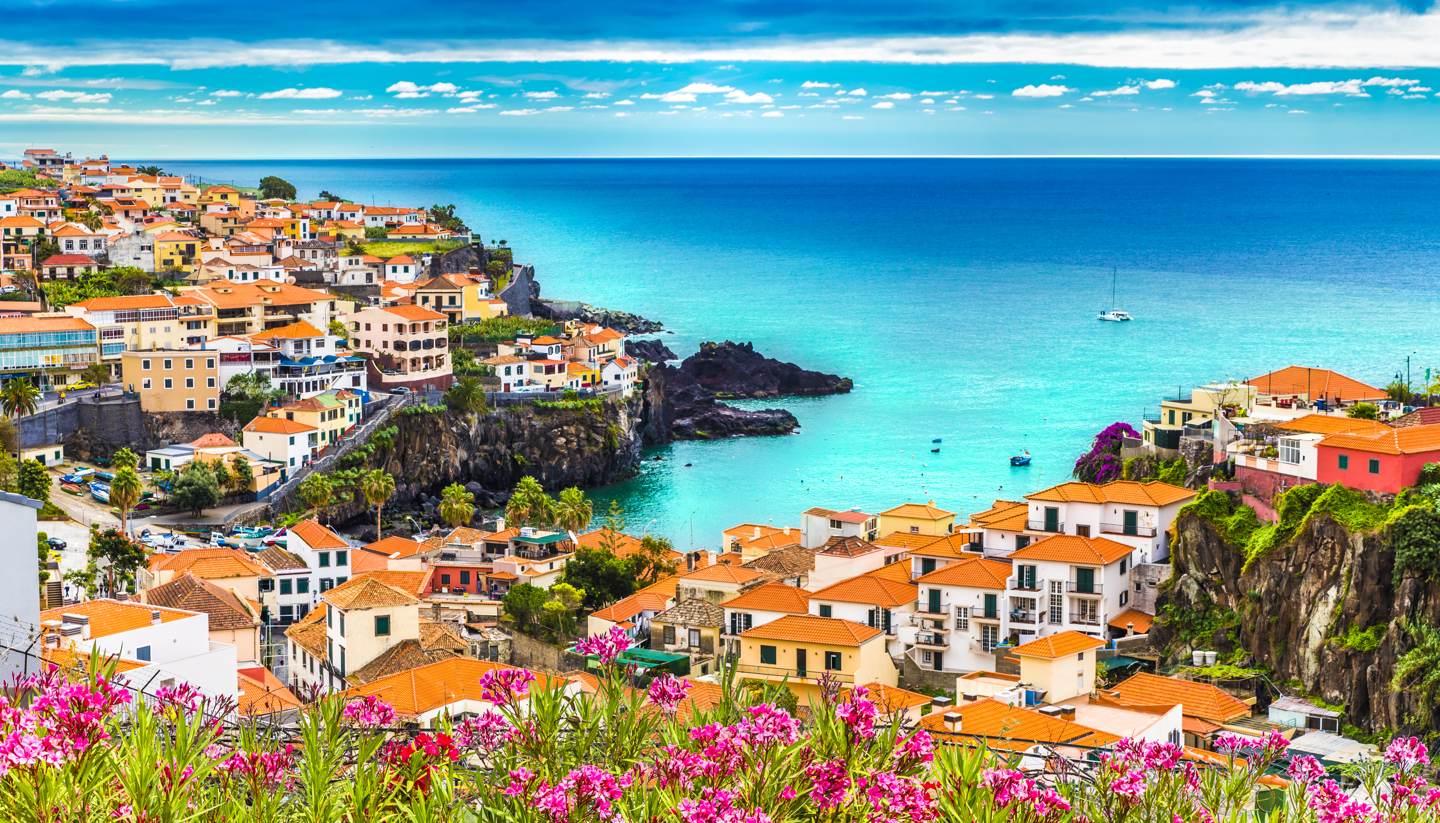
El Puerto de Santa María is the driving force behind fino sherry and the maritime heartbeat of the Jerez Sherry Triangle. While neighboring towns claim administrative fame, El Puerto acts as the physical and atmospheric engine where Atlantic winds, chalky albariza soils, and historic bodegas unite. It's a coastal city where winemaking isn't just an agricultural export—it's the architecture, the local diet, and the rhythm of daily life.
To understand why this Andalusian port earned its reputation, you have to look past standard wine tourism. El Puerto combines maritime humidity with precise cask-aging chemistry, creating the biological environment necessary for flor—the yeast blanket that gives fino its legendary saline bite. This guide breaks down the geography, history, winemaking mechanics, and cultural fabric that anchor El Puerto de Santa María at the center of the sherry world.
The Geography and Terroir of El Puerto
The city sits on the banks of the Guadalete River, spilling directly into the Bay of Cádiz. This coastal positioning is the primary reason El Puerto's sherries taste distinct from those produced further inland in Jerez de la Frontera.
- Atlantic Maritime Influence: Cool, humid westerlies known as poniente blow off the ocean, sweeping moisture directly into the cathedral-like cellars. This constant marine humidity feeds the flor yeast inside the barrels year-round.
- Albariza Soil Mechanics: Surrounding vineyards feature albariza, a dazzling white soil composed of up to 40% active limestone, clay, and marine fossils. During scorching Andalusian summers, this soil forms a hard crust that locks moisture underneath, while reflecting intense sunlight back onto the Palomino grape bunches.
- River Navigation: The Guadalete River historically allowed merchant ships to dock right at the bodega doors, transforming El Puerto into an international shipping hub long before modern railways existed.
History: From Phoenician Trade to British Merchants
Viticulture in the Bay of Cádiz dates back over 3,000 years to the Phoenicians. However, El Puerto's modern identity was shaped by centuries of shifting maritime trade and international commerce.
Following the Reconquista in the 13th century, Christian monarchs granted special trading privileges to the port. By the 17th and 18th centuries, British demand for fortified wines skyrocketed. Merchants from England, Ireland, and France established permanent residence in El Puerto, capitalizing on its deep-water access to ship large quantities of sherry across the Atlantic and toward Northern Europe.
Unlike inland towns that focused solely on bulk production, El Puerto developed sophisticated port infrastructure and massive maturation warehouses. These historic cellars were built with high ceilings, thick stone walls, and unpaved dirt floors designed to be watered down manually to regulate temperature and humidity.
The Winemaking Engine: Palomino, Flor, and Solera
Making authentic fino requires absolute precision. The process begins with the Palomino Fino grape, harvested in late August when sugar levels are balanced and acidity remains crisp.
After fermentation, base wines are classified and fortified with neutral grape spirit to roughly 15% to 15.5% ABV. This specific alcohol threshold kills off unwanted bacteria while creating an ideal survival environment for flor—indigenous strains of Saccharomyces yeast that form a thick, blanket-like layer over the top of the wine inside partially filled oak casks.
The yeast consumes residual sugars, glycerin, and alcohol, releasing compounds that impart green almond, yeast, and briny notes. To maintain consistency year after year, producers rely on the solera system, a fractional blending method.
- Criaderas and Solera: Barrels are stacked in tiers. The bottom tier (solera) holds the oldest blend ready for bottling. A fraction of wine is drawn from these casks and replaced with younger wine from the tier directly above (criadera), continuing up to the youngest tier.
- Dynamic Aging: Because no cask is ever emptied completely, a single bottle contains microscopic traces of every vintage the bodega has produced across decades, preserving a continuous house style regardless of annual weather fluctuations.
Beyond fino, El Puerto's bodegas also master oxidative styles like Oloroso, Amontillado, and rich Pedro Ximénez sweet wines, proving the local cellars can support both biological and oxidative aging techniques.
Cultural Fabric and Culinary Pairing
In El Puerto, wine dictates the culinary calendar. The local seafood culture exists in direct symbiosis with the local cellar output.
Traditional tapas bars serve ice-cold fino alongside tortillitas de camarones (crispy shrimp fritters) and freshly fried pescaíto frito. The high acidity and sharp, saline minerality of a proper fino cut cleanly through the oils of fried seafood, refreshing the palate between bites.
Local festivals, most notably the annual Spring Festival (Feria de Primavera), revolve around the consumption of fino en rama—unfiltered sherry drawn straight from the cask during the spring season when the flor is at its most active.
Common Misconceptions About Sherry
Many modern consumers misunderstand how sherry is produced and consumed. Clearing up these errors helps explain why El Puerto's style is so unique.
- Sherry is not always sweet: The vast majority of wine produced in El Puerto de Santa María is completely dry. Fino and Manzanilla contain virtually zero residual sugar.
- It doesn't improve in the bottle: Unlike fine red Bordeaux or vintage Port, sherry is bottled fully matured and ready to drink. It degrades rapidly once opened and should be treated more like a delicate white wine.
- It isn't just for older demographics: A new wave of global mixologists utilizes dry fino and amontillado in modern craft cocktails, leveraging their complex umami profiles.
Frequently Asked Questions
What is the difference between Fino from El Puerto and Fino from Jerez?
While both use Palomino grapes and the solera system, El Puerto's coastal proximity creates higher relative humidity inside the bodegas. This encourages a thicker, more active flor layer, often resulting in a slightly rounder, more intensely saline profile compared to the sharper, drier finos produced further inland.
Can you visit the historic bodegas in El Puerto de Santa María?
Yes. Many historic bodegas located throughout the city center offer daily guided tours, historic cellar walks, and structured tastings paired with local tapas.
How long does an opened bottle of Fino last?
Because fino is aged biologically under yeast, it oxidizes quickly once unsealed. Store an opened bottle tightly corked in the refrigerator and consume it within three to five days for optimal flavor.
Why is the soil called albariza?
Albariza gets its name from the Latin word albus, meaning white. It is a unique marl soil containing high concentrations of calcium carbonate, which helps retain precious winter rainfall beneath the surface during scorching Andalusian summers.