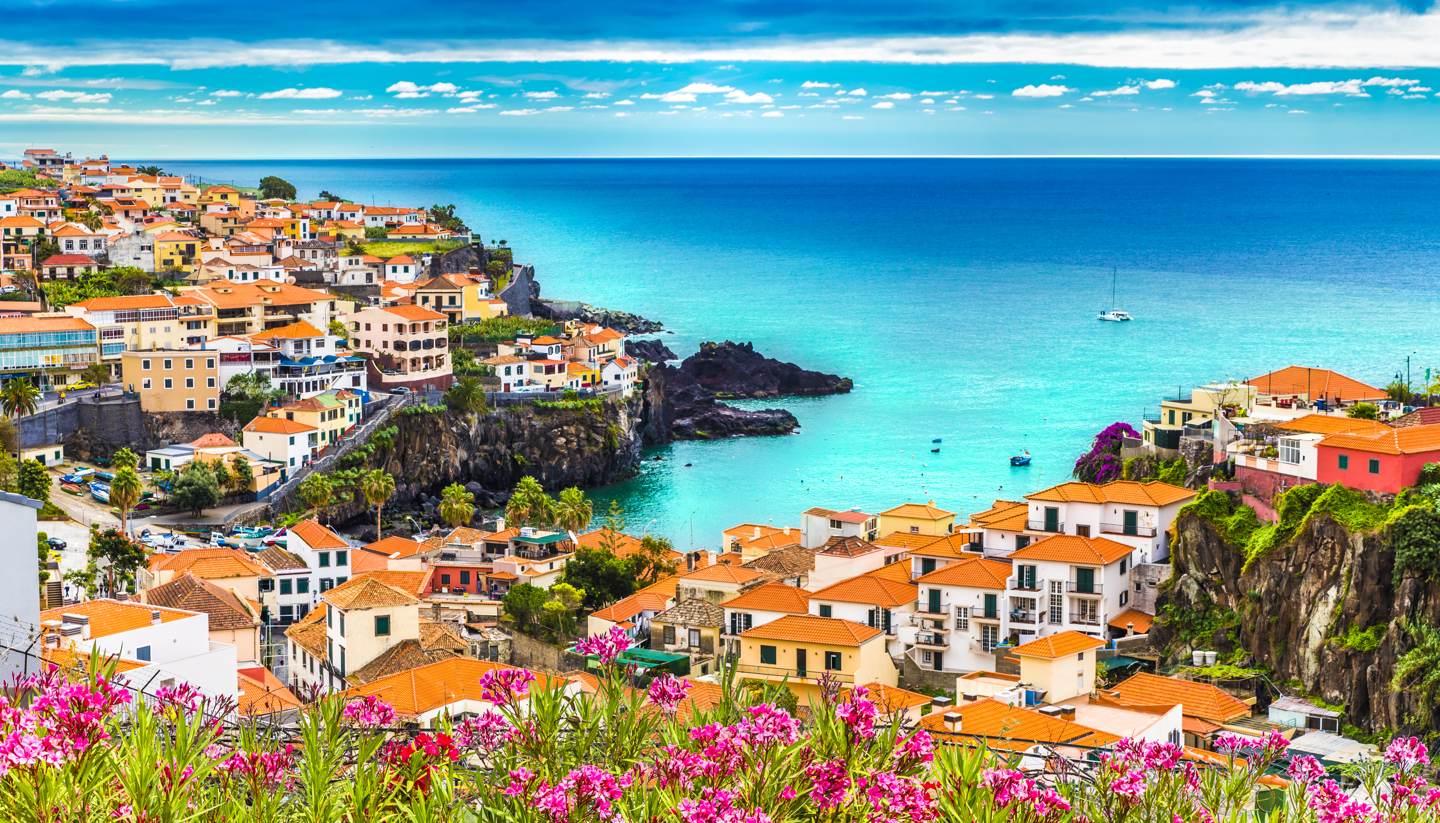
Madeira is a fortified wine produced on the Portuguese volcanic island of the same name, located in the Atlantic Ocean off the coast of Morocco. It's famous for an indestructible nature that lets opened or sealed bottles survive for decades—and sometimes centuries—without spoiling. While most wines degrade rapidly after opening due to oxidation, Madeira thrives on it.
The wine’s remarkable resilience stems from an accident of maritime trade. During the Age of Discovery, ships carrying Portuguese wine to the East Indies crossed the equator twice. Sailors noticed that the intense heat and constant motion transformed the liquid, baking it into a rich, complex beverage rather than turning it into vinegar. Producers eventually replicated this process intentionally, creating a style of wine that doesn't just endure time—it demands it.
The Geography and Terroir of the Madeira Archipelago
The island of Madeira is a steep, volcanic peak rising sharply from the Atlantic floor. Viticulture here is a strenuous, manual affair. Vineyards are planted on narrow, terraced ledges called poios, carved into steep cliffsides that overlook the ocean.
The volcanic soil is rich in basalt and organic matter, providing excellent drainage while imparting a distinct mineral backbone to the grapes. Because the island features microclimates ranging from humid subtropical coastal zones to cool, misty mountain peaks, different grape varieties thrive at varying altitudes.
Sunlight is intense, and rainfall can be erratic, forcing vines to dig deep root systems to find moisture. This stress concentrates sugars and acids in the fruit, establishing the high natural acidity that serves as the backbone for Madeira's legendary longevity.
From Maritime Accident to Deliberate Craft
In the 15th and 16th centuries, Portuguese explorers established Madeira as a vital provisioning stop for ships bound for the Americas, Africa, and India. Standard table wines spoiled quickly in the humid, rolling holds of wooden ships. To prevent spoilage, winemakers added neutral grape spirit to fortify the wine, raising the alcohol content to around 17% to 20% ABV.
Merchants soon noticed that unsold casks returning from round-trip voyages to India tasted vastly superior to wine that stayed behind in damp island cellars. The combination of intense tropical heat and rhythmic ocean sloshing accelerated chemical reactions, turning the wine dark, nutty, and exceptionally stable.
By the 18th century, shipping wine solely to age it—known as a vinho da roda or round-trip wine—became a status symbol. When ocean voyages became too fast with the advent of steamships, producers had to invent ways to replicate shipboard conditions on land, giving rise to modern production methods.
Inside the Aging Methods: Estufagem vs. Canteiro
To recreate the baking heat of a ship's hold, modern Madeira producers use two primary aging techniques: estufagem and canteiro.
The Estufagem Process
The estufagem method accelerates the aging of younger, commercial blends. Stainless steel vats equipped with inner coils circulate hot water, maintaining temperatures between 45°C and 50°C (113°F to 122°F) for a minimum of three months. This controlled baking caramelizes sugars, oxidizes compounds, and stabilizes the wine quickly. After heating, the wine undergoes a mandatory resting period (estufagem rest) before bottling.
The Canteiro Method
Reserved for premium and single-vintage Madeiras, the canteiro method relies entirely on natural heat. Producers store oak casks in the warm top floors of island lodges, where sunlight beats down year-round. The wine ages passively for decades, losing volume through evaporation—known as the angel's share—while concentrating flavors. No artificial heat is used. Canteiro wines develop profound complexity, offering notes of dried fig, walnut, orange peel, and toffee.
The Four Noble Grapes of Madeira
Madeira production relies on four primary grape varieties, traditionally associated with distinct sweetness levels ranging from bone-dry to lusciously sweet.
- Sercial: The driest and most acidic style. It yields pale, piercing wines with aromas of lemon peel, almonds, and smoke. It's typically served chilled as an aperitif.
- Verdelho: Medium-dry with a smoky, honeyed profile. It balances zesty acidity with richer notes of dried herbs and citrus marmalade.
- Bual (Boal): Medium-rich and dark amber. It delivers decadent aromas of roasted coffee beans, caramel, raisins, and dark chocolate.
- Malvasia (Malmsey): The sweetest and most unctuous style. It boasts a thick, velvety texture loaded with molasses, burnt sugar, and roasted nuts.
Why Madeira Never Dies
The secret to Madeira's near-immortality lies in its chemical processing. During the heating phase, the wine undergoes forced oxidation and controlled Maillard reactions—the same browning process that happens when searing meat or baking bread.
Because the wine has already been oxidized and exposed to heat during production, oxygen holds no terror for it. When you open a bottle of Madeira, it won't spoil on the counter or even over several months. You can cork it, push it to the back of a cabinet, and return to it a year later with zero degradation in flavor.
According to the Jancis Robinson Wine Glossary, this resilience makes historic Madeiras from the 19th and early 20th centuries still remarkably vibrant and drinkable today.
Culinary Uses and Modern Appreciation
Beyond sipping, Madeira is a powerhouse in the kitchen. Its high acidity and residual sugar balance rich proteins, making it an ideal deglazing agent for pan sauces accompanying game, steak, or pork chops.
For a classic pairing, match a dry Sercial with salted almonds or sharp goat cheese. Pair a rich Bual or Malmsey with blue cheese, dark chocolate tarts, or pecan pie.
Despite its historical prestige—celebrated by figures like Thomas Jefferson and featured in the toasts of the American founding fathers—Madeira remains underappreciated by casual wine drinkers who confuse it with cheap cooking sherry. Collectors, however, prize its indestructible nature, frequently trading rare 19th-century vintages at high-end auction houses like Christie's Wine Auctions.
Frequently Asked Questions
Does Madeira wine go bad after opening?
No. Because Madeira is subjected to heat and oxygen during production, it is already fully oxidized. An opened bottle can be stored at room temperature for months without losing its flavor or structure.
Is all Madeira sweet?
No. Madeira spans a wide spectrum of sweetness levels. Sercial and Verdelho are dry to medium-dry styles, while Bual and Malmsey are medium-sweet and sweet, respectively.
How long can an unopened bottle of Madeira last?
An unopened bottle of quality Madeira can last for decades, and older vintage bottles can easily survive for a century or more if stored in a cool, dark place.
Can I use grocery store cooking Madeira to drink?
You shouldn't. Supermarket cooking Madeira is heavily salted and stabilized with preservatives. True drinking Madeira is an artisanal fortified wine meant for sipping or high-end culinary applications.


