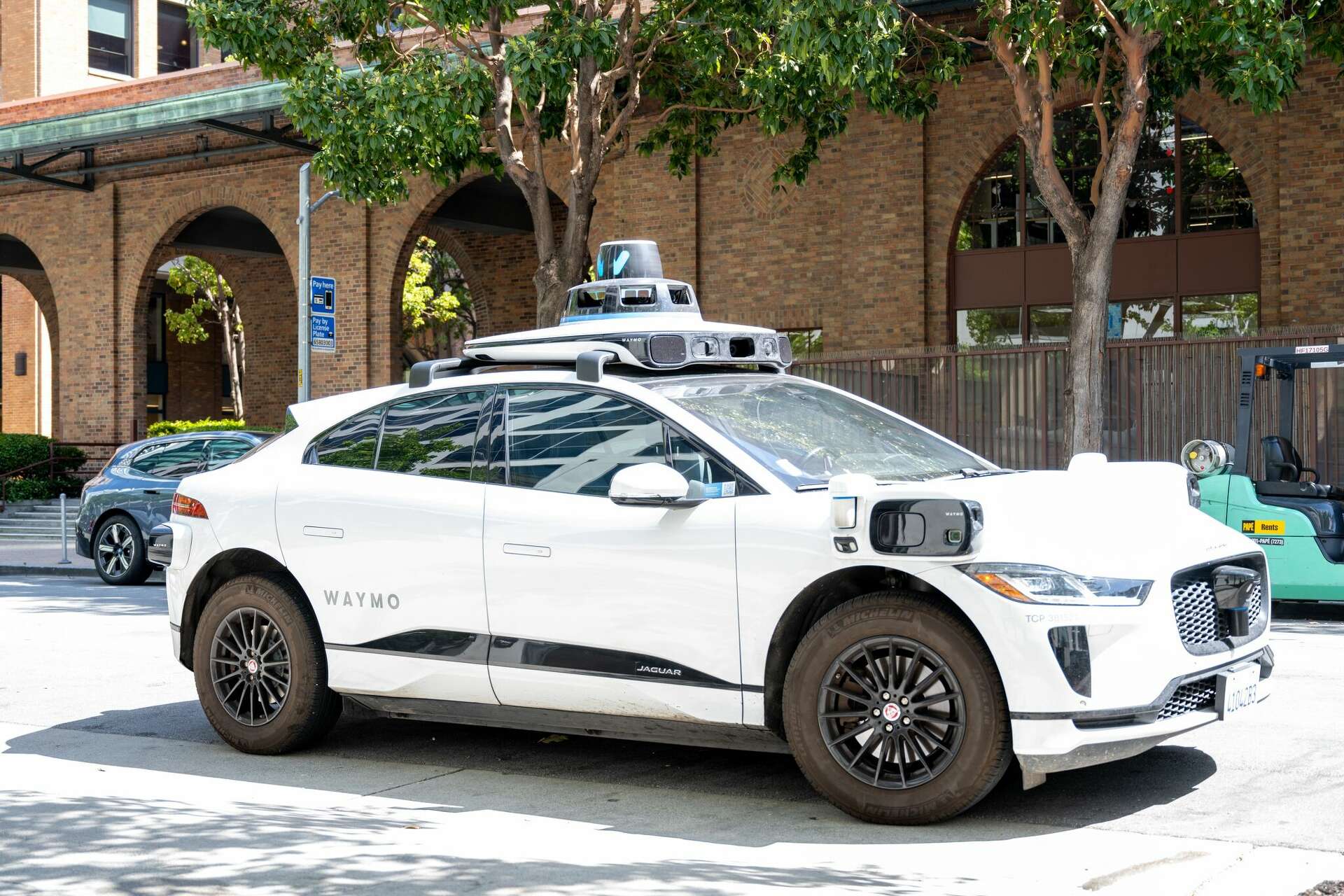
Operating light detection and ranging systems after sunset changes the physical rules of environmental sensing. Because active optical sensors rely on photon time-of-flight, shifting from glaring midday sunlight to pitch black introduces unexpected operational dynamics. Let's look at how nighttime conditions genuinely alter LiDAR performance, what engineering hurdles remain, and why darkness isn't the silver bullet some assume it is.
Unlike passive camera arrays that starve for photons in the dark, LiDAR uses active illumination. It fires near-infrared laser pulses—commonly at 905 nanometers or 1550 nanometers—and measures the return time to map surroundings in three dimensions. While removing ambient solar radiation eliminates the blinding glare of a low sunset, nighttime brings unique atmospheric and physical complications that test sensor limits.
The Physics of Light Detection in Darkness
Operating sensors without ambient sunlight removes one major headache: photon shot noise caused by solar radiation flooding the detector. During peak daylight, sensors must filter out massive amounts of ambient background light to isolate their own returning laser echoes. At night, this background noise drops to near zero, which theoretically improves the signal-to-noise ratio.
Yet, lower ambient light doesn't automatically mean cleaner data. In urban and rural night driving, sensors encounter stark contrast shifts. Headlights from oncoming vehicles, streetlamps, and reflective road signs create intense localized infrared signatures that can temporarily saturate sensitive avalanche photodiodes or silicon photomultipliers.
Atmospheric conditions also play a distinct role after dark. As ground temperatures drop, moisture condenses into fog, mist, or low-lying haze. Laser pulses strike these suspended water droplets, creating backscatter. Without sunlight to heat and quickly dissipate local moisture pockets, nighttime fog banks trap infrared light close to the emitter, blinding the receiver with a wall of white noise.
Range, Resolution, and Target Reflectivity
A common misconception is that LiDAR systems shoot further in the dark because detectors can crank up their gain without fear of solar saturation. In practice, maximum range depends heavily on target reflectivity, which doesn't change based on the clock.
- Low-Reflectivity Objects: Dark asphalt, unpainted pedestrians wearing black clothing, and wet rubber absorb or scatter near-infrared light poorly. At night, drivers and autonomous systems rely entirely on active illumination to spot these hazards.
- Retroreflective Surfaces: Road signs, license plates, and safety markings bounce light directly back to the source. At night, these surfaces create blinding return spikes that can dwarf weaker returns from surrounding non-reflective objects.
- Beam Divergence: As laser pulses travel outward, they spread. Over long distances at night, returning photons disperse so thinly that weak targets register as background noise rather than solid obstacles.
Automotive engineers must balance eye-safety regulations with range requirements. Human eye safety standards (governed by IEC 60825-1) strictly limit the peak power of 905nm lasers, forcing manufacturers to innovate with wider wavelengths like 1550nm, which allows higher power output without damaging retinas.
How Sensor Fusion Mitigates Nighttime Shortcomings
Because standalone LiDAR encounters challenges with atmospheric backscatter and low-reflectivity targets in the dark, modern autonomous stacks rely heavily on sensor fusion. Combining active optical rangefinders with thermal infrared cameras and traditional radar creates a multi-layered perception safety net.
Thermal cameras detect the heat signatures of pedestrians and animals instantly, bypassing the need for external illumination or high target reflectivity. Meanwhile, millimeter-wave radar cuts straight through dense fog and heavy rain where laser pulses fail. LiDAR provides the precise centimeter-level spatial geometry, while radar and thermal sensors handle velocity and biological heat detection.
Transitioning between these sensor modalities happens in milliseconds. When a LiDAR unit encounters heavy particulate scatter in a nighttime snowstorm, the perception software down-weights the point cloud data and relies more heavily on radar occupancy grids.
Common Nighttime LiDAR Pitfalls
Deploying laser-based sensing systems in nocturnal environments exposes several subtle engineering traps that developers often overlook.
- Assuming Zero Ambient Noise: Ignoring infrared interference from urban lighting grids, security cameras, and opposing vehicle headlights can corrupt point clouds.
- Neglecting Thermal Drift: Rapid nocturnal temperature drops cause microscopic thermal contraction in mechanical spinning LiDAR units, misaligning optics and skewing calibration.
- Over-Reliance on Specular Reflection: Wet pavement acts like a mirror at night, reflecting laser pulses away from the receiver rather than back to it, making wet roads appear as bottomless voids to poorly positioned sensors.
Frequently Asked Questions
Does nighttime improve LiDAR resolution?
No. Nighttime does not change the physical firing rate, angular resolution, or beam divergence of the laser emitter. While it reduces solar background noise, resolution remains tied to the hardware specifications of the scanner.
Why do some LiDAR systems use 1550nm lasers at night?
Wavelengths around 1550nm operate in a band that is safer for human eyes at higher power levels, allowing engineers to increase laser output for longer range detection without exceeding regulatory safety thresholds.
Can LiDAR see through total darkness?
Yes, because LiDAR generates its own light via laser pulses, it does not require ambient light to map objects. It performs the same physical distance calculations in pitch blackness as it does at noon.
How does rain affect LiDAR differently at night?
Nighttime temperature drops often cause condensation to linger longer as fog or mist. When laser pulses hit suspended droplets, backscatter creates false-positive returns close to the sensor, reducing effective range.