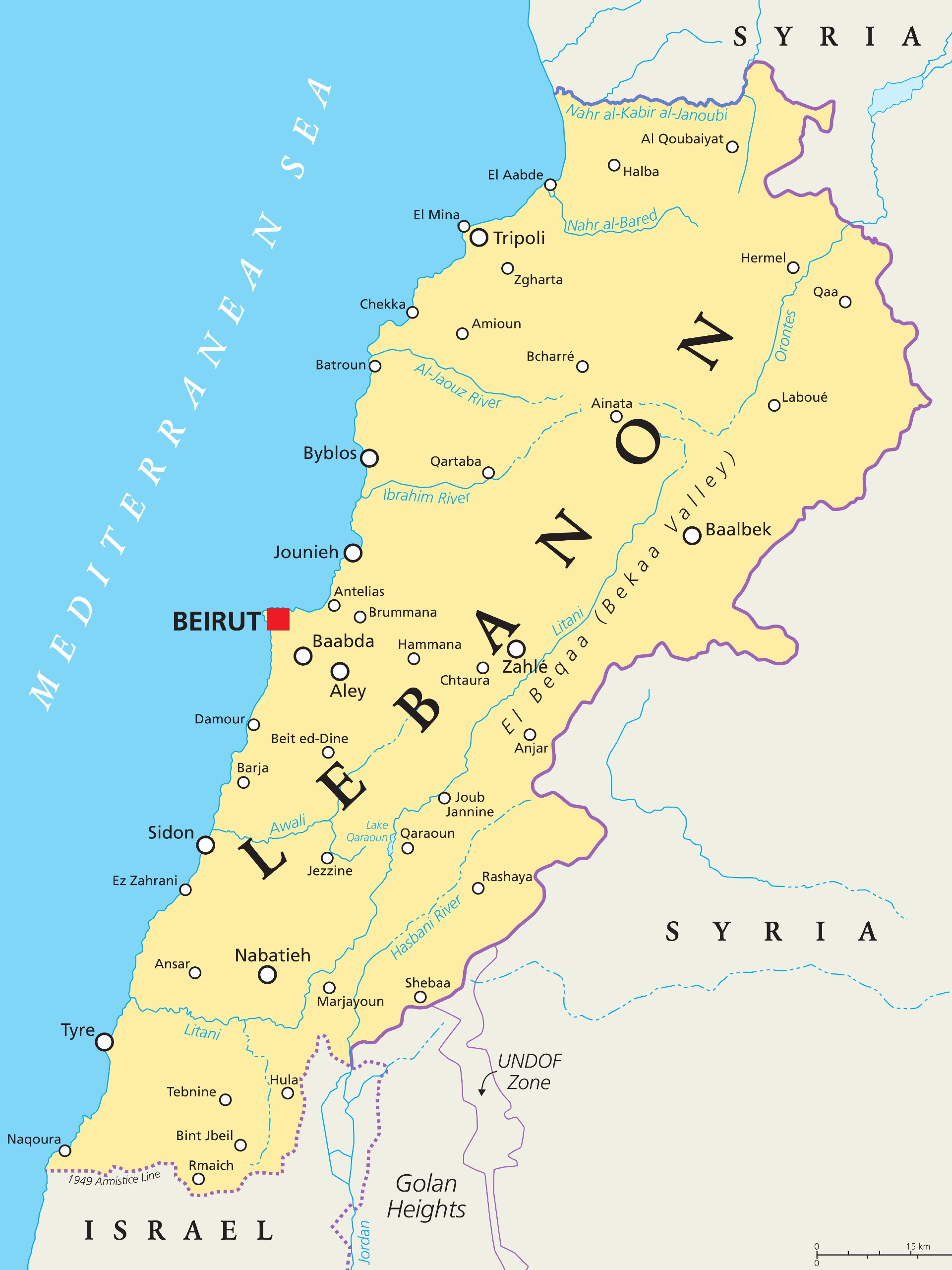
The relationship between Lebanon and Iran shapes the modern Middle East in profound ways. At the center of this connection sits a web of political strategy, historical alignment, and ideological ties that stretch back decades. While official diplomatic channels exist between Beirut and Tehran, the true axis of their partnership operates through non-state actors, regional proxy networks, and shared geopolitical ambitions. Understanding this dynamic requires looking past surface-level diplomacy and examining how strategic interests intersect across a fractured Lebanese state.
Historical Roots and Ideological Shifts
Before the 1979 Islamic Revolution, Iran under the Pahlavi dynasty maintained traditional diplomatic and commercial ties with Lebanon, which functioned as a cosmopolitan hub for the Levant. However, the establishment of the Islamic Republic under Ayatollah Ruhollah Khomeini transformed Tehran's foreign policy objectives. Iranian leadership sought to export its revolutionary ideology across the region, identifying Lebanon's marginalized Shia population as fertile ground for ideological alignment.
The Lebanese Civil War of 1975 to 1990 served as the primary crucible for this partnership. Amidst Israeli military interventions and domestic sectarian conflict, the Islamic Revolutionary Guard Corps (IRGC) deployed operatives to the Beqaa Valley in 1982. Their mission was to train, finance, and organize disparate local Shia militias into a cohesive fighting force. This effort culminated in the formation of Hezbollah, which grew from a clandestine guerrilla movement into a dominant political and military institution within Lebanon.
The Role of Hezbollah as the Strategic Bridge
Hezbollah functions as the cornerstone of the Lebanon-Iran relationship. Tehran provides extensive financial assistance, advanced military hardware, and tactical guidance to the group, cementing an alliance that transcends traditional state-to-state relations. For Iran, Hezbollah acts as an invaluable asset in its regional deterrence strategy, often referred to as the "Axis of Resistance."
This arrangement grants Tehran significant leverage within Lebanese domestic politics and regional power struggles. When Lebanon faces economic collapse or political paralysis, Iranian influence expands to fill institutional vacuums. Hezbollah's dual identity—operating simultaneously as a political party inside Lebanon's parliament and as an armed wing aligned with Iranian foreign policy—creates a complex governance challenge for the Lebanese state. Sovereignty becomes fragmented, as military decisions and major foreign policy stances are often aligned with Tehran's strategic interests rather than official Lebanese government directives.
Economic Dimensions Under Sanctions
Economic ties between Lebanon and Iran have evolved under the heavy weight of international sanctions placed on Tehran. As Lebanon plunged into a severe financial crisis following the 2019 economic collapse, traditional Western and Gulf state financial support dwindled. In response, proposals emerged for direct trade agreements, including Iranian fuel shipments delivered to Lebanon to alleviate chronic electricity shortages.
While these transactions provide temporary relief to parts of the Lebanese population, they deepen Lebanon's financial isolation from Western banking systems and international monetary institutions like the International Monetary Fund. Critics inside Lebanon argue that these economic lifelines tie the country closer to Tehran's orbit, complicating prospects for structural reforms and international bailouts. Commerce remains constrained by secondary sanctions, meaning formal bilateral trade figures are modest compared to the vast political and security investments involved.
Regional Repercussions and Future Outlook
The Lebanon-Iran alliance extends far beyond bilateral affairs, directly influencing regional stability. Israeli security officials monitor the northern border closely, viewing the military buildup of Iranian-backed forces as a persistent strategic threat. Periodic escalations and full-scale conflicts demonstrate how deeply Lebanon is integrated into wider regional confrontations involving Iran, Israel, and various regional actors.
Looking ahead, the trajectory of this relationship depends on internal developments within both nations. Domestic protests in Iran over economic hardship and governance, combined with ongoing demands for governance reform in Lebanon, create persistent uncertainty. Yet, the foundational security architecture linking Tehran to Beirut remains resilient, ensuring that their partnership will continue to dictate the balance of power in the Levant.
Frequently Asked Questions
How does Iran fund its influence in Lebanon?
Iran channels financial support primarily through the Islamic Revolutionary Guard Corps, directing funds to allied political entities, social welfare organizations, and military wings like Hezbollah. This support has adapted over time to circumvent international banking sanctions.
What impact does the Lebanon-Iran relationship have on Lebanese sovereignty?
Critics argue that the strong alliance diminishes state sovereignty by empowering a heavily armed non-state actor that operates outside the direct control of the Lebanese Armed Forces and official government ministries.
Are there economic benefits for Lebanon in partnering with Iran?
While Iranian fuel shipments and trade proposals offer short-term relief during severe energy crises, they often complicate Lebanon's relations with Western donors and financial institutions required for long-term economic recovery.
How do other Middle Eastern nations view this alliance?
Gulf Arab states and Western governments view the deep ties with concern, frequently categorizing the partnership as a primary vehicle for expanding Iranian hegemony and destabilizing neighboring states through proxy warfare.



