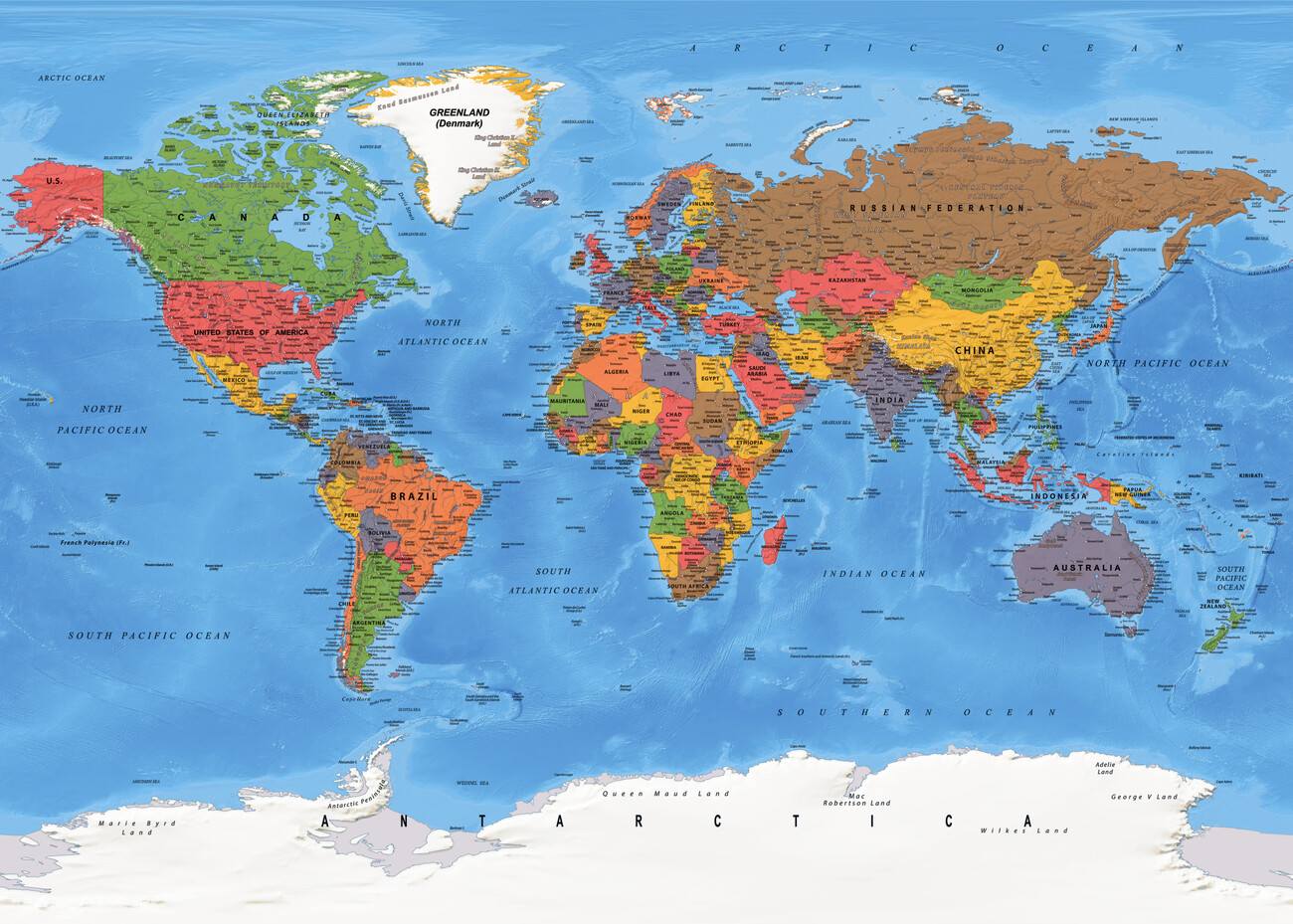
The phrase World War 3 often evokes images of scorched earth, nuclear sirens, and immediate total devastation. Headlines frequently lean into this anxiety, treating global conflict as an inevitable ticking clock rather than a complex web of economic, political, and technological pressures. When examining whether the international system is hurtling toward a third global conflagration, the reality is far more nuanced than simple doom-saying. Modern state competition isn't playing out in massive trench networks across Europe; instead, it's fragmented into regional proxy wars, severe economic fragmentation, and advanced cyber operations that test the limits of international law.
Evaluating the possibility of a systemic global war requires looking past sensationalized media claims and analyzing structural shifts in power, supply chain vulnerabilities, and nuclear deterrence. The global security architecture is under intense strain, but understanding why great powers still fear direct military engagement clarifies the true nature of contemporary geopolitical risk.
The Shift from Total War to Multi-Domain Fragmentation
Traditional world wars were defined by direct, industrialized military clashes between major industrial powers fighting for total territorial dominance. Today, major powers avoid direct military engagement because the costs of mutual destruction are absolute. Instead, geopolitical friction has migrated into gray-zone conflicts—actions that cross beneath the threshold of conventional war.
This environment relies heavily on multi-domain competition. Nations compete through economic coercion, technological blockades, and information operations designed to destabilize rivals from within. According to the World Economic Forum Global Risks Report, geoeconomic confrontation and state-based fragmentation have replaced simple territorial invasion as the primary drivers of international instability.
- Economic Statecraft: Tariffs, sanctions, and export controls on advanced semiconductors have become primary weapons of statecraft.
- Hybrid Warfare: Sabotage of undersea communication cables, infrastructure attacks, and GPS jamming allow states to inflict massive economic damage without triggering formal military retaliation.
- Information Operations: Coordinated social media campaigns erode public trust in democratic institutions and stoke domestic polarization within rival nations.
Key Flashpoints Driving Global Friction
While gray-zone tactics dominate day-to-day competition, several geographic flashpoints carry the severe risk of spiraling into wider state-on-state confrontations. Each of these regions involves overlapping interests between nuclear-armed actors, making miscalculation a dangerous possibility.
The European Security Architecture
The ongoing war in Ukraine has fundamentally altered European security calculations. What began as a localized invasion has forced a massive militarization of the European continent, reviving fears of direct clashes between NATO and Russian forces. The risk here lies in accidental escalation—such as stray munitions crossing borders or misidentified aircraft—which could force alliance-wide military responses under Article 5 commitments.
Middle Eastern Instability
The Middle East remains one of the most volatile regions globally, characterized by multi-party proxy conflicts involving state militaries and non-state armed groups. Direct confrontations between regional actors and external powers risk drawing in broader international coalitions, severely disrupting global energy markets and maritime trade routes through critical chokepoints like the Bab el-Mandeb strait and the Strait of Hormuz.
Indo-Pacific Strategic Competition
Long-term strategic competition in the Indo-Pacific centers on maritime territorial claims, freedom of navigation, and technological dominance. While direct conflict is actively deterred by deep economic interdependence between major trading nations, naval friction and disputes over critical supply chains keep regional tension elevated.
Why Economic Interdependence Serves as a Brake
A primary reason a traditional global war hasn't materialized lies in the architecture of modern capitalism. During the 20th century, global empires operated with relatively isolated or autarkic economic systems, making the economic cost of total war easier to absorb. Today, complex global supply chains bind potential adversaries tightly together.
Consider the semiconductor industry. Advanced microchips designed in Western nations are manufactured in East Asia, packaged globally, and integrated into products worldwide. If a total war were to break out, the complete collapse of these supply networks would plunge every combatant nation into immediate economic depression. Financial markets, sovereign debt holdings, and corporate supply lines create a high-stakes prisoner's dilemma where total conflict guarantees mutual economic suicide.
The Erosion of Nuclear Arms Control
Even though economic ties discourage total war, the erosion of traditional guardrails introduces volatile risks. The breakdown of legacy arms control agreements, such as the lapsing of major bilateral nuclear treaties between the United States and Russia, removes crucial transparency measures.
Furthermore, the risk of regional nuclear proliferation is rising. When smaller states doubt the reliability of security guarantees from major superpowers, they face incentives to develop independent nuclear deterrence capabilities. This dynamic increases the structural complexity of international security, reducing the margin for error during regional crises.
Common Misconceptions About Global Conflict
Conversations surrounding modern warfare often stumble over outdated assumptions. Recognizing these mistakes prevents misplaced panic and focuses attention on actual security threats.
- Assuming War Looks Like the 20th Century: Expecting massive troop deployments and clear battle lines ignores how modern states fight using algorithms, economic sanctions, and proxy militias.
- Treating Alliances as Static: International alignments are increasingly transactional rather than ideological. Nations frequently cooperate on specific economic issues while competing fiercely in security domains.
- Ignoring Domestic Pressures: Foreign policy decisions are often driven by domestic political survival rather than grand imperial designs. Leaders facing internal economic strain sometimes lean into external nationalism to consolidate power.
Frequently Asked Questions
Are we closer to a global war now than during the Cold War?
While ideological polarization is high, the structural guardrails look different. The Cold War featured two heavily armed, economically isolated blocs. Today's multipolar world is held back by deep economic interdependence, though the risk of accidental escalation through cyber warfare and regional proxies remains severe.
What role does artificial intelligence play in modern conflict?
Artificial intelligence accelerates decision-making cycles, automates logistics, and enhances cyber defense and offense. The primary danger involves algorithmic miscalculation or automated retaliation systems executing actions faster than human diplomats can de-escalate.
How do economic sanctions impact global stability?
Sanctions weaponize the global financial system. While they offer an alternative to military force, overusing them can drive targeted nations to build alternative financial networks, ultimately fragmenting the global economy into competing blocs.
Can regional conflicts be contained indefinitely?
Not necessarily. When international organizations struggle to enforce diplomatic resolutions, local wars risk spilling over through refugee crises, supply chain shocks, and the opportunistic intervention of external powers looking to weaken rivals.



