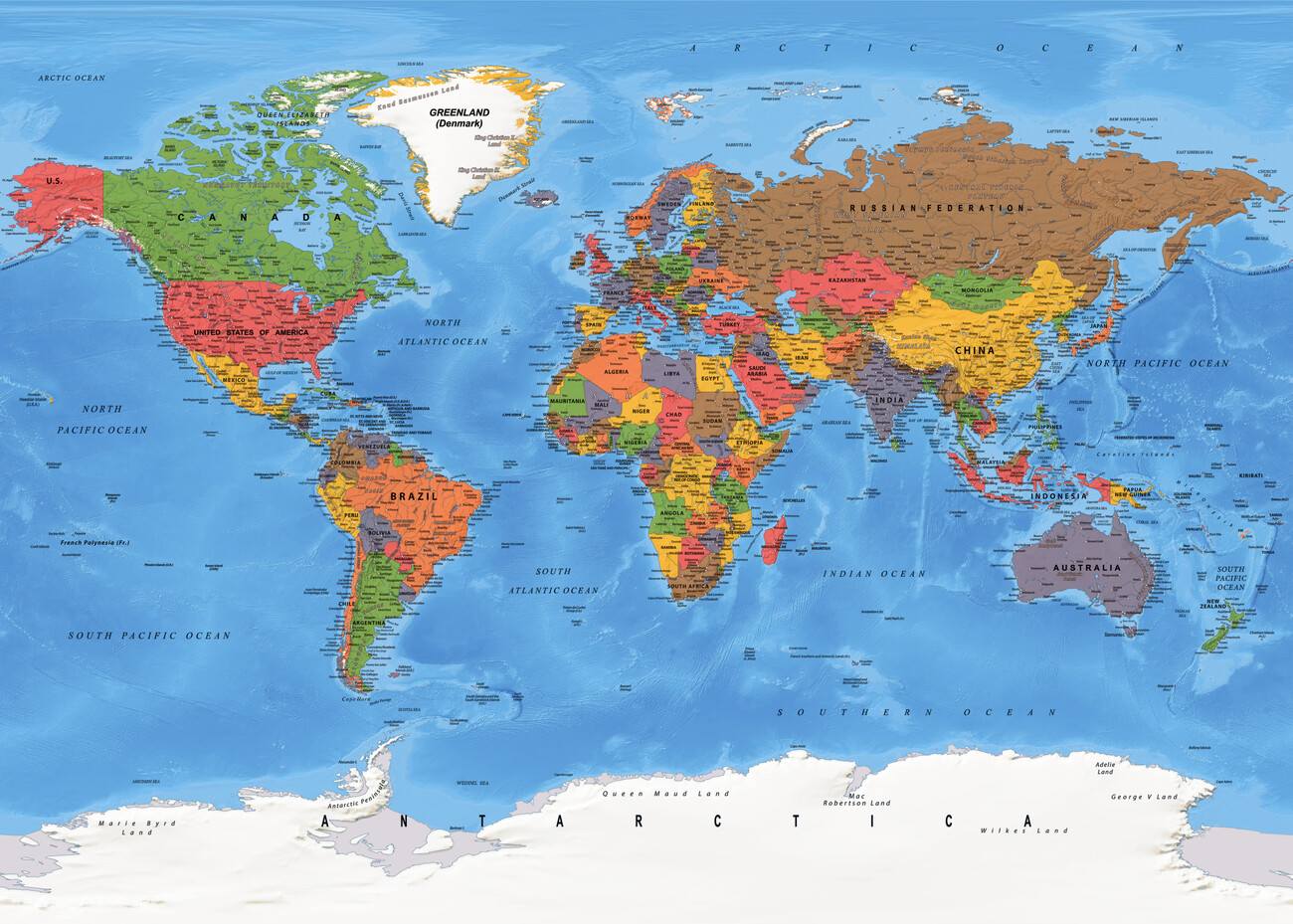
The international order is moving away from unipolar dominance toward a fractured, multi-polar distribution of power. If you look at major assessments like the CEOWORLD Magazine Power Rankings and evaluations from the Global Peace Index, influence no longer flows through military might alone. Economic scale, technological adoption, and flexible alliances now dictate which states shape global stability. Traditional superpowers maintain top positions, but middle powers are expanding their leverage at an unprecedented rate.
The Pillars of Modern Global Influence
Assessing national power requires looking beyond raw gross domestic product or troop counts. Comprehensive influence relies on four interconnected pillars: economic scale, military capability, diplomatic networks, and cultural soft power.
States that excel in only one category often struggle to convert it into lasting geopolitical outcomes. For instance, a nation with a massive military but weak economic integration will find its coercive options limited during peacetime trade disputes.
- Economic Scale and Trade Networks: Control over critical supply chains, technology manufacturing, and financial systems provides immediate leverage. Economic gravity pulls neighboring and partner states into cooperative frameworks.
- Military Readiness and Deterrence: Operational capability, logistics, and technological sophistication determine a state's ability to protect its borders and project stability abroad.
- Alliances and Institutional Reach: Collective security agreements and multilateral ties multiply a state's diplomatic weight, allowing middle powers to punch well above their weight class.
- Soft Power and Information Reach: Cultural exports, educational institutions, and technological standards shape global aspirations and reinforce formal state authority.
Superpower Dynamics: The US, China, and Emerging Challengers
The United States retains the top position in global power rankings, anchored by deep capital markets, unmatched alliance networks like NATO, and preeminent technological innovation. Yet, its margin of dominance is narrowing.
China continues to challenge this position through massive industrial capacity, dominance in critical mineral processing, and infrastructure investments across the Global South. The strategic competition between Washington and Beijing defines global supply chain shifts and trade policy.
At the same time, regional heavyweights are refusing to align permanently with either camp. India leverages its immense workforce and strategic autonomy to maintain strong ties across opposing blocs. Middle powers like Turkey, Brazil, Indonesia, and South Africa exercise growing independence, mediating regional conflicts and forging bilateral trade deals outside traditional Western-led institutions.
The Decline of Global Stability
While influence is dispersing among more capitals, overall global stability has experienced a sustained decline. The Global Peace Index highlights consecutive years of deterioration in peacefulness worldwide, driven by rising militarisation and persistent regional conflicts.
Economic fragmentation compounds these security risks. The return of aggressive tariff policies and trade protectionism has fractured integrated markets. Nations are prioritizing national resilience over cost efficiency, leading to near-shoring, friend-shoring, and increased defensive spending.
Common Misconceptions About Power Rankings
When analyzing global influence reports, observers frequently fall into predictable analytical traps:
- Equating defense spending with actual influence: Budgets matter, but how efficiently a state translates capital into operational readiness and technological edge determines true military weight.
- Ignoring middle powers: Focusing exclusively on the US-China rivalry misses the reality that regional actors frequently block or alter major international resolutions.
- Treating soft power as secondary: Cultural and technological attractiveness creates enduring alliances that transactional diplomacy cannot easily buy or break.
Frequently Asked Questions
Which country ranks highest in global power and influence?
The United States consistently ranks at the apex of global influence indexes, driven by a combination of economic depth, military capabilities, and extensive alliance networks.
How do modern rankings measure national power?
Modern indexes evaluate dozens of indicators spanning economic scale, military readiness, diplomatic ties, technological advancement, and cultural soft power rather than relying on a single metric.
Why are middle powers gaining more influence?
A multi-polar international order allows regional leaders—such as India, Brazil, and Indonesia—to navigate between major superpowers, securing favorable trade terms and mediating regional issues independently.
What is the primary driver of declining global stability?
Rising geopolitical friction, increased militarization, ongoing regional conflicts, and the fragmentation of global trade networks are the primary factors behind declining international stability.



