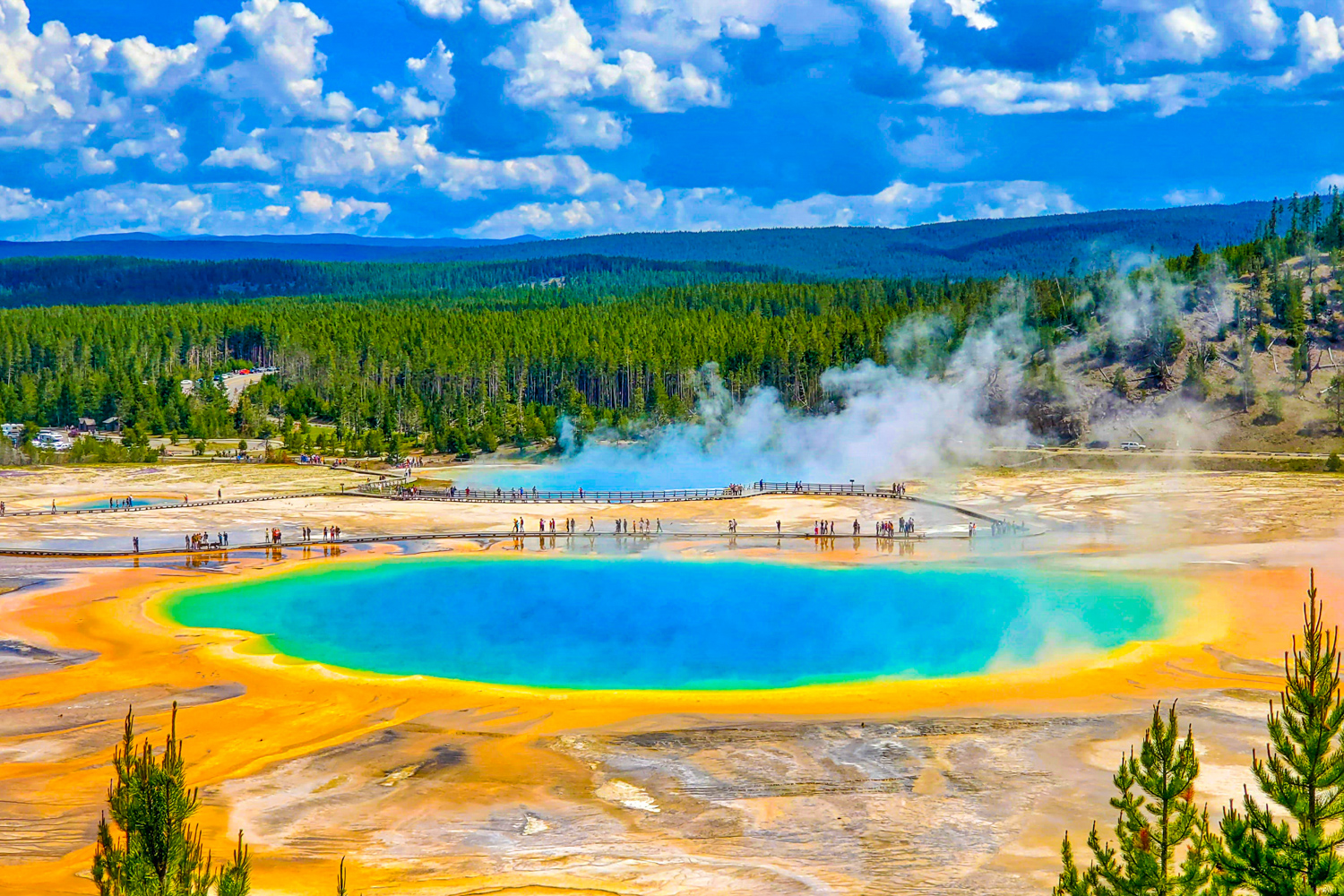
Karst processes shape distinct and fragile terrain through the chemical dissolution of soluble bedrock like limestone, dolomite, and gypsum. When slightly acidic rainwater absorbs carbon dioxide from the atmosphere and soil, it forms a weak carbonic acid solution that slowly eats away at rock fractures over thousands of years. This hidden underground erosion creates networks of caves, subterranean rivers, and surface depressions that constantly alter the landscape beneath our feet.
Understanding how these geological systems function is vital for managing groundwater resources and preventing infrastructure damage from sudden sinkholes. Because water flows rapidly through underground channels without the natural filtration found in sandy aquifers, pollutants spread quickly across vast distances. If you don't account for these subsurface dynamics when building roads or zoning residential areas, you risk catastrophic structural failures and contaminated water supplies.
The Chemistry Behind Bedrock Dissolution
The foundation of any karst system rests on simple chemical reactions between water, carbon dioxide, and carbonate rock. Rainwater picks up carbon dioxide as it filters through organic-rich topsoil, creating carbonic acid. When this acidic water reaches underground cracks in limestone formations, it reacts with calcium carbonate.
This reaction converts solid rock into soluble calcium bicarbonate, which the flowing water then carries away. Over millennia, this continuous movement widens microscopic fractures into major conduits, cave systems, and underground drainage basins.
- Carbon dioxide absorption occurs rapidly in rich forest soils.
- Acidic moisture targets natural joints and bedding planes in the rock.
- Dissolved minerals travel downward, leaving empty voids behind.
Without this chemical foundation, surface water would simply run off into standard river basins instead of plunging into a complex subsurface network. The speed of dissolution depends heavily on water temperature, flow velocity, and the concentration of dissolved carbon dioxide.
Surface Features and Landforms
Surface karst topography features distinct landforms that signal active underground erosion. Sinkholes, or dolines, represent the most common surface indicator, ranging from shallow bowl-shaped depressions to steep-sided collapse features. These forms emerge when underground cavities grow too large to support the weight of the overlying soil and rock.
Another prominent surface feature is the disappearing stream, where a surface river or creek flows directly into an underground opening called a swallow hole. The water vanishes from the surface entirely, reemerging miles away at a major karst spring.
- Karren: Small grooves and ridges carved into exposed rock by trickling rainwater.
- Uvalas: Large compound sinkholes formed by the coalescence of multiple smaller depressions.
- Poljes: Massive flat-floored valleys surrounded by steep limestone walls.
These landscapes look calm from a distance, but they hide an active plumbing system that constantly shifts and evolves. Recognizing these surface cues helps civil engineers avoid unstable building zones.
Subterranean Ecosystems and Caves
Beneath the surface lies a dark, nutrient-poor environment that hosts highly specialized organisms. Cave systems carved by karst processes shelter blind fish, translucent crustaceans, and specialized bacteria that survive without sunlight. These subterranean habitats rely entirely on organic debris washed in from the surface during heavy rains.
Stalactites, stalagmites, and flowstones decorate these underground chambers through mineral precipitation. As mineral-rich water drips from cave ceilings, it releases carbon dioxide into the air, leaving microscopic rings of calcite behind.
- Stalactites hang downward from cave roofs.
- Stalagmites build upward from the cave floor.
- Columns form when both formations eventually meet.
Growth rates vary widely based on drip rates and climate conditions. A single stalactite can take thousands of years to grow just a few inches, making these fragile environments exceptionally vulnerable to human disturbance.
Hydrogeology and Groundwater Vulnerability
Karst aquifers behave completely differently than standard porous rock aquifers. Water moves through wide underground pipes and fissures at high speeds, sometimes traveling miles in a single day. This rapid flow bypasses the slow filtration process that normally traps bacteria, heavy metals, and chemical runoff.
Communities relying on karst groundwater face unique contamination challenges. A chemical spill or agricultural runoff entering a sinkhole can pollute municipal drinking wells miles away within hours.
- Identify high-risk recharge zones using surface mapping.
- Monitor spring water turbidity and chemical changes after storms.
- Restrict heavy industrial activities near known swallow holes.
For more details on protecting underground water resources, read the U.S. Geological Survey Karst Hydrogeology Overview. Managing these resources requires strict land-use regulations and continuous monitoring of contaminant levels.
Common Management Mistakes
Developers and local planners often make critical errors when building near dynamic limestone terrain. Treating karst land like standard stable ground frequently leads to severe structural damage and environmental disasters.
- Ignoring subsurface mapping: Relying solely on surface soil tests without running geophysical surveys.
- Altering natural drainage: Directing parking lot runoff into local sinkholes, which accelerates collapse risks.
- Overpumping wells: Lowering the water table, which removes the buoyant support keeping underground caverns stable.
Avoiding these missteps requires specialized engineering and comprehensive geological assessments before any major construction begins. You must treat every square foot of karst terrain as an active, interconnected system.
Frequently Asked Questions
What causes a sinkhole to open suddenly?
Sinkholes usually open when underground water washes away supporting sediment or when a hidden cave roof becomes too thin to hold the weight above it. Heavy rains or broken water pipes often trigger the final collapse.
Can you build safely on karst terrain?
Yes, but it requires detailed site investigations, specialized foundation designs, and careful management of surface water runoff to prevent unexpected ground movement.
How fast does water move through a karst aquifer?
Water can travel through underground karst conduits at speeds ranging from hundreds of feet to several miles per day, depending on the size of the channels and local rainfall volume.
Why is karst groundwater easily polluted?
Unlike sandy aquifers that filter out impurities slowly, karst systems feature open channels and large fractures that transport pollutants quickly without natural filtration.
What is the difference between a stalactite and a stalagmitic column?
A stalactite hangs from the ceiling of a cave, while a stalagmite grows upward from the floor. When they grow together, they form a solid column connecting top to bottom.