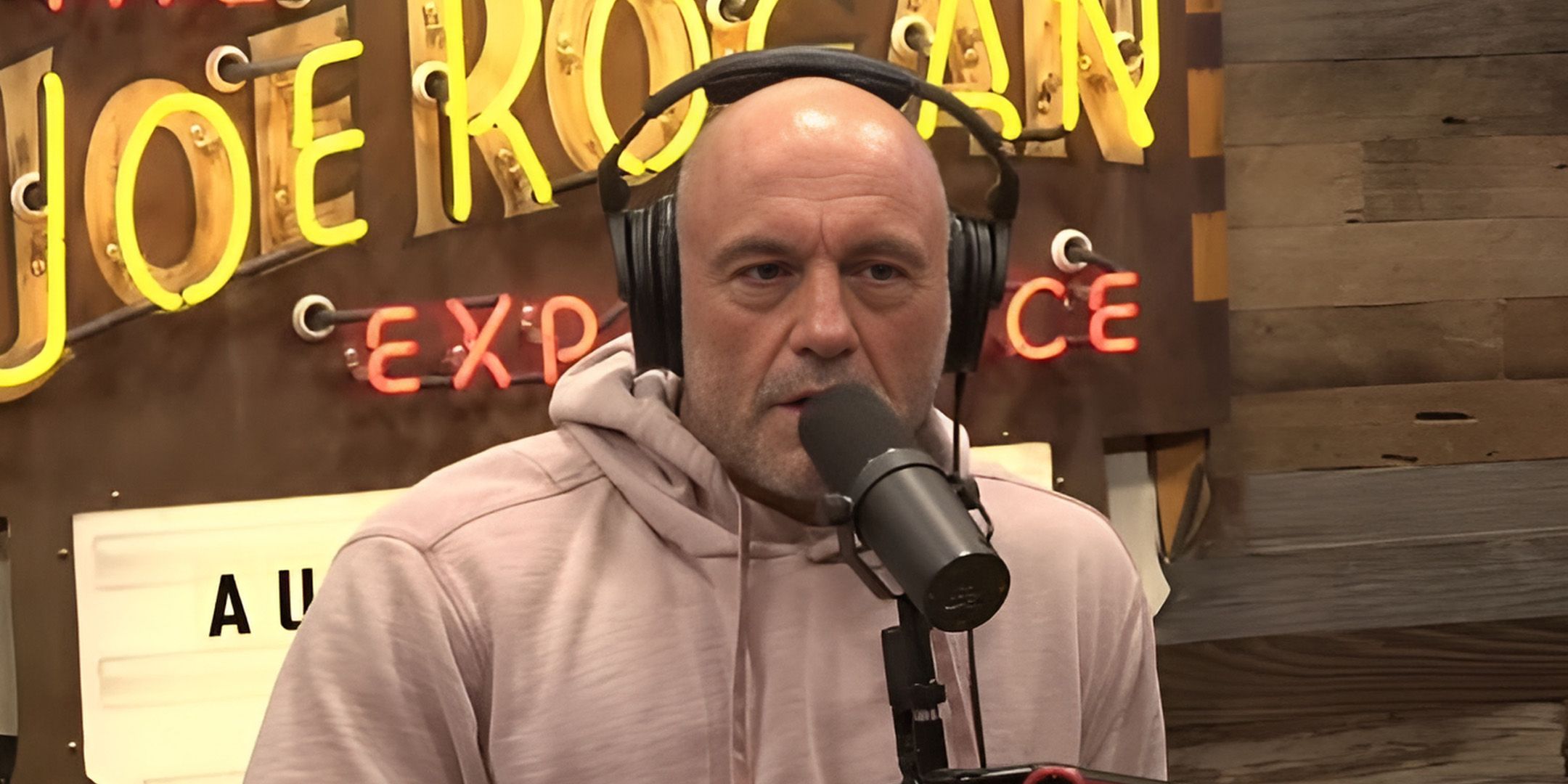
Dimethyltryptamine (DMT) occupies a singular space in modern cultural discourse, largely thanks to its frequent exploration on The Joe Rogan Experience. Across hundreds of episodes featuring neuroscientists, ethnobotanists, and adventurers, the podcast has helped shift DMT from an obscure countercultural taboo into a mainstream topic of scientific curiosity.
While mainstream media often focuses on the shock value of intense trips, the conversation surrounding DMT touches on deeper questions about human consciousness, neurology, and the structural limits of ordinary perception. Examining what happens when the brain encounters this powerful tryptamine requires separating subjective storytelling from empirical neuroscience.
The Phenomenology of the DMT Experience
When users smoke or vaporize N,N-DMT, the onset is almost instantaneous. Within seconds, ordinary waking reality dissolves, replaced by hyper-dimensional geometries, rapid shifts in perspective, and encounters with autonomous entities.
These descriptions share striking cross-cultural and cross-demographic similarities. Users frequently report visiting structured spaces, interacting with non-human intelligences, and processing vast amounts of information at speeds that defy normal cognitive processing. Additional reporting by Bloomberg highlights related views on the subject.
- Rapid Onset: Effects begin within fifteen to thirty seconds, peaking sharply before tapering off entirely within fifteen to twenty minutes.
- The Breakthrough: A colloquial term for a high-dose experience where the user's ego completely detaches from their physical body and ordinary environment.
- Entity Encounters: Independent intelligences—often described as tricksters, guides, or mechanical beings—frequently populate these visions.
Joe Rogan often emphasizes how jarring this transition is, noting that it forces a total reassessment of what the human brain is capable of generating. Rather than viewing these visions as simple hallucinations, guests like neurobiologist Dr. Andrew Gallimore suggest that the brain under DMT is simply tuned to a different channel of information processing.
What the Science Says: Neurology and Pharmacology
Pharmacologically, N,N-DMT is a simple molecule structurally similar to serotonin and melatonin. It acts primarily as a non-selective agonist at serotonin receptors, particularly the 5-HT2A receptor subtype, which is implicated in the action of classic psychedelics like psilocybin and LSD.
Researchers studying the neural correlates of psychedelics have found that these compounds dramatically disrupt the brain's default mode network (DMN). The DMN is responsible for ego maintenance, self-reflection, and filtering out sensory input to keep humans focused on immediate survival. When the DMN goes offline, the strict boundaries between self and world collapse.
"The brain functions largely as a reducing valve, filtering out vast amounts of environmental and internal data to keep everyday life manageable. Psychedelics wide open that valve."
Clinical interest has grown significantly. Researchers at institutions like Imperial College London and Johns Hopkins are mapping how short-acting tryptamines affect neuroplasticity. While much of the heavy lifting in clinical trials focuses on psilocybin for treatment-resistant depression, intravenous DMT trials led by pioneers like Dr. Rick Strassman have provided controlled environments to measure physiological and psychological responses.
Endogenous DMT and the Myth of the Pineal Gland
A persistent talking point in pop-culture psychedelic lore—frequently revisited on Rogan's podcast—is the claim that the human pineal gland manufactures massive amounts of DMT during dreams, birth, and death.
While trace amounts of endogenous DMT have indeed been detected in the rat brain and human microdialysis samples, the clinical reality is more modest than internet lore suggests. The pineal gland produces melatonin and regulates circadian rhythms; its capacity to synthesize quantities of DMT sufficient to trigger transcendent visual states remains unproven in humans.
Neuroscientists point out that the human brain is entirely capable of generating profound altered states—including lucid dreams, near-death visions, and hypnagogic states—through endogenous neurochemical shifts without requiring massive surges of exogenous or pineal-derived DMT.
Comparing N,N-DMT and 5-MeO-DMT
Discussions about DMT often conflate two distinct chemical compounds: N,N-DMT and 5-Methoxy-N,N-DMT (5-MeO-DMT). While both are powerful tryptamines, their subjective effects and chemical profiles differ markedly.
- N,N-DMT: Typically found in ayahuasca brews or smoked as a crystal. Characterized by high-definition visual geometry, complex narratives, and distinct entity encounters.
- 5-MeO-DMT: Found in synthetic preparations and the venom of the Sonoran Desert toad (Bufo alvarius). Characterized less by visual geometry and more by an overwhelming sense of white light, ego dissolution, and an infinite, formless unity with the universe.
Joe Rogan has spoken extensively about his experiences with 5-MeO-DMT, describing it as an ego-shattering event that bypasses the "cartoon realms" of N,N-DMT and leads straight to a sensation of cosmic annihilation and rebirth. Legal frameworks treat both substances strictly; in the United States, they remain Schedule I controlled substances with no recognized federal medical use.
Frequently Asked Questions
Is DMT physically addictive?
No. Classic psychedelics like DMT do not stimulate the brain's dopamine reward pathways in the manner characteristic of addictive substances. Tolerance builds almost instantly, making immediate re-dosing ineffective.
Can DMT cause lasting psychological harm?
While physiologically safe in terms of toxicity, high-dose psychedelics can trigger psychological distress, anxiety, or unmask underlying vulnerabilities in individuals with personal or family histories of psychotic disorders. Integration and proper set and setting are critical.
What is the difference between smoking DMT and drinking ayahuasca?
Smoking N,N-DMT delivers a rapid, fifteen-minute blast of intense sensory data because the compound is quickly metabolized by monoamine oxidase enzymes in the gut and liver. Ayahuasca combines plant sources containing DMT with an MAO inhibitor (MAOI), allowing the compound to remain active orally for hours with a slower, more sustained rollout.
Why do so many people see the same entities?
Researchers attribute recurring motifs—such as mechanical elves, geometric operators, or reptilian guides—to shared human neurological architecture, cultural archetypes, and the brain's pattern-recognition software attempting to make sense of chaotic sensory input.
