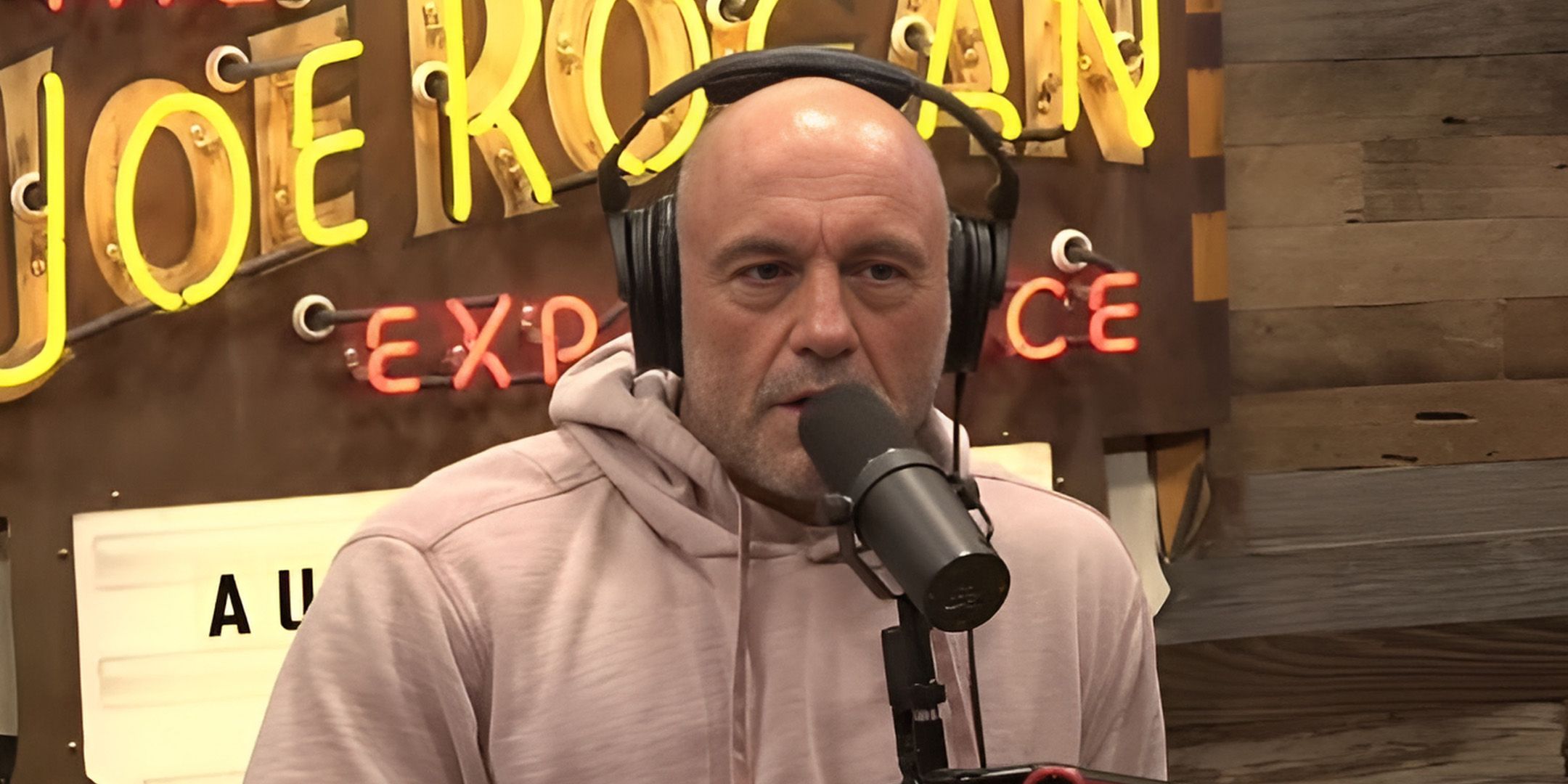
The DMT experience stands as one of the most polarizing and fascinating subjects in modern pop culture, largely propelled into the mainstream through endless discussions on The Joe Rogan Experience. Dimethyltryptamine—often dubbed the spirit molecule—induces a short, intensely powerful psychedelic state that bridges hard biochemistry with mystical encounters. When people talk about this phenomenon, they aren't just discussing a chemical reaction in the brain; they're exploring reports of alternate dimensions, autonomous entities, and profound spiritual awakenings that challenge our baseline understanding of reality.
To understand why this topic captivates millions, we have to look past the sensationalized stories and examine the intersection of clinical research, ancient traditions, and modern commentary. Dr. Rick Strassman, a clinical associate professor of psychiatry, launched the modern scientific conversation with his pioneering government-approved clinical trials in the early 1990s. His work, later popularized by the documentary DMT: The Spirit Molecule hosted by Joe Rogan, laid the groundwork for how society talks about endogenous compounds, brain chemistry, and the architecture of human consciousness.
The Science of Dimethyltryptamine
At a molecular level, N,N-Dimethyltryptamine is a simple tryptamine structurally similar to serotonin and melatonin. It occurs naturally in a wide array of plant species and has been detected in trace amounts in the bodily fluids of mammals. Strassman’s seminal research at the University of New Mexico aimed to map how exogenous DMT affects human subjects under strict clinical controls.
Participants in these trials reported rapid-onset visual and auditory hallucinations, extreme alterations in time perception, and the sensation of leaving the physical body entirely. Unlike classic psychedelics like psilocybin or LSD, which can last for hours, a smoked or intravenous dose of DMT typically peaks within minutes and resolves completely in under half an hour. This abrupt transition leaves users trying to integrate a massive volume of visual and psychological data in a compressed timeframe.
Neuroscientists study these mechanisms to learn how the brain constructs everyday reality. If a simple chemical shift can completely dissolve the ego and generate complex, high-definition internal worlds, our normal waking consciousness is likely just a heavily filtered version of a much broader sensory spectrum.
Spirituality, Entities, and Parallel Realities
Beyond the pharmacology, the cultural footprint of the DMT experience is defined by recurring narrative themes. Across thousands of independent accounts, users report breaking through into distinct, highly structured realms populated by independent intelligence. These entities—often described as mechanical elves, jester-like guides, or alien physicians—frequently communicate with the traveler, imparting bizarre information or a profound sense of cosmic order.
Joe Rogan and various guests on his podcast, including researchers like Strassman and Andrew Gallimore, frequently analyze these encounters through historical and anthropological lenses. Many cultures have utilized plant-based brews like ayahuasca—which combines DMT-containing plants with monoamine oxidase inhibitors—for centuries in shamanic rituals. These traditions view the visions not as hallucinations generated by a malfunctioning brain, but as literal windows into spiritual dimensions inhabited by non-human intelligence.
- The Breakthrough: A sudden transition from geometric patterns to an entirely immersive, independent landscape.
- The Entities: Autonomous beings that interact with, examine, or sometimes warn human visitors.
- The Afterglow: A lasting sense of interconnectedness, reduced fear of death, and ontological shock.
Common Misconceptions and Risks
Because the topic occupies a strange space between fringe lore and serious neuropsychiatry, myths abound. One common misconception is that the human pineal gland releases a massive flood of DMT at the moment of birth and death to ease the transition. While Strassman originally hypothesized this as a poetic explanation for near-death experiences, definitive biochemical proof in living human brains remains scarce.
Another risk involves underestimating the psychological weight of the experience. The intensity of a high-dose breakthrough can lead to severe ontological shock—a state of disorientation where a person struggles to reconcile their everyday worldview with what they witnessed. Navigating these spaces requires careful preparation, stable psychological health, and integration practices to process the aftermath.
- Acknowledge Set and Setting: Even short-acting compounds demand a safe, quiet, and grounded environment.
- Avoid Hyper-Fixation on Lore: Treating every subjective trip report as absolute physical truth can detach individuals from practical reality.
- Prioritize Integration: Give yourself weeks or months to process the psychological insights rather than chasing successive experiences.
Frequently Asked Questions
Is DMT naturally produced in the human body?
Trace amounts have been detected in various animal tissues, but scientists are still mapping the exact synthesis pathways and physiological functions of endogenous DMT in humans.
How long does a typical experience last?
When administered intravenously or smoked, the peak occurs within two minutes, with total duration lasting roughly fifteen to thirty minutes. Ayahuasca ingestion lasts much longer, often up to six hours.
Why do so many people see similar entities?
Researchers attribute common visual motifs and entity encounters either to shared neurobiological wiring in the human visual cortex or to genuine features of an unexplored dimension of consciousness.
Can anyone legally access DMT for research or therapy?
Clinical research is expanding slowly in regulated academic settings, but the substance remains a Schedule I controlled substance in many jurisdictions, making recreational use illegal and unregulated.