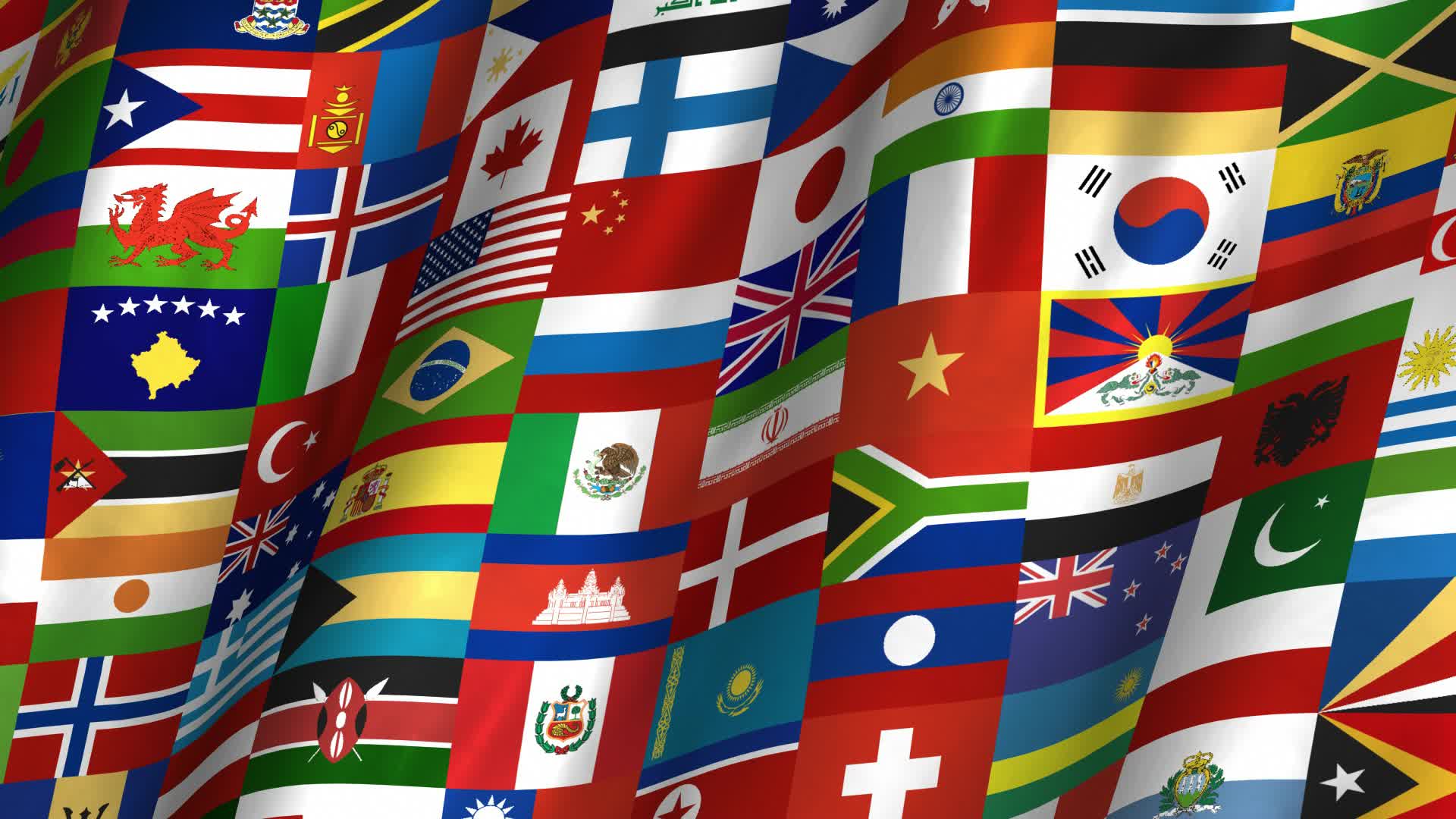
National flags using green, white, and red span multiple continents, each design carrying unique historical and cultural weight. If you've ever looked at a tricolor or a banner featuring these three specific hues and wondered which nation it belongs to, you aren't alone. Sorting out flags with similar color palettes can get confusing, especially when layouts shift between vertical bands, horizontal stripes, or distinct emblems.
Several sovereign nations feature green, white, and red prominently as their primary national colors. Understanding how to tell them apart requires looking past the colors themselves and examining stripe orientation, proportions, and central symbols.
Major Countries with Green, White, and Red Flags
Distinguishing between these flags comes down to their geometric arrangement. Some use vertical bars, while others rely on horizontal stripes or unique background divisions.
Italy
The Italian national flag, commonly known as the Tricolore, features three equally sized vertical bands of green, white, and red, with green positioned at the hoist side. Adopted in its modern form after the abolition of the monarchy in 1946, its design draws direct inspiration from the French tricolor. While the Italian Constitution defines the flag layout, popular tradition associates green with hope, white with faith, and red with charity.
Mexico
At a glance, Mexico's flag looks similar to Italy's because it also uses vertical bands of green, white, and red. However, two major factors set it apart: its official proportions and its central emblem. Mexico's flag features a 4:7 aspect ratio (making it longer than Italy's standard 2:3 layout) and features the national coat of arms right in the center of the white stripe. That emblem depicts a golden eagle perched on a prickly pear cactus while devouring a snake, a direct nod to the foundational legend of Tenochtitlan.
Hungary
Hungary utilizes a horizontal tricolor consisting of red, white, and green stripes stacked from top to bottom. The modern arrangement solidified during the 1848 republican independence movements. In this configuration, red symbolizes strength, white stands for faithfulness, and green represents hope or the country's pasturelands and mountains.
Bulgaria
Bulgaria also uses horizontal bands, but arranges them in a white, green, and red order from top to bottom. First adopted after the country gained de facto independence following the Russo-Turkish War, the white stripe represents peace and freedom, the green stripe highlights agricultural wealth, and the red stripe stands for the courage of the nation.
Iran
Iran’s flag features equal horizontal bands of green, white, and red, but includes heavy symbolic detailing. The center of the white band contains the national emblem in red, which represents the word "Allah". Additionally, stylized text reading "Allahu Akbar" (God is Greatest) is written 22 times along the inner edges of the green and red stripes.
Lebanon
Unlike simple striped banners, Lebanon's flag features a wide white horizontal band sandwiched between two narrower red bands. A prominent green cedar tree sits squarely in the center. The cedar represents eternity, resilience, and steady moral strength, drawing from the historic forests of Lebanon referenced throughout ancient texts.
Historical Context and Color Symbolism
Vexillologists look at how these color combinations developed over time. In many Western European traditions, green, white, and red represent liberty, equality, and national awakening, mirroring ideas popularized during the Enlightenment and the French Revolution.
In the Middle East and North Africa, these shades often align with pan-Arab color movements or distinct religious and historical milestones. For example, Algeria's flag splits vertically into green and white halves, overlaid with a red crescent and star to signify the nation's predominant faith alongside historic sacrifices for independence.
According to historical archives maintained by the International Federation of Vexillological Associations, national flag designs undergo strict legal standardization to ensure precise color shades and geometric ratios are maintained globally.
Common Mistakes When Identifying These Flags
Mixing up national banners happens easily when people rely on color alone rather than layout.
- Italy vs. Mexico: Mistaking one for the other is common because both use vertical green, white, and red stripes. Always look for the Mexican coat of arms or check if the flag looks noticeably elongated.
- Hungary vs. Bulgaria: Both use horizontal tricolors, but Hungary places red at the top, while Bulgaria starts with white.
- Overlooking Emblems: Banners like Iran, Lebanon, and Mexico integrate complex centerpieces that completely alter the visual identity of the flag.
For further reference on international symbols and flag protocols, you can consult guidelines provided by the Government of Canada flag etiquette or similar official cultural resources.
Frequently Asked Questions
Which country introduced the green, white, and red tricolor first?
Italy's tricolor, inspired by the French model, was first adopted by the Cispadane Republic in 1797, setting a precedent for vertical tricolors in Europe.
Do any other flags use these exact three colors without stripes?
Yes. Burundi uses a white diagonal saltire dividing red and green fields, featuring three red stars at its center. Madagascar uses a vertical white band at the hoist with horizontal red and green bands stacked next to it.
Why do so many flags look similar?
Common historical alliances, shared colonial histories, and regional design influences often lead countries to adopt similar color combinations to signal shared values like peace, hope, and freedom.
Are flag proportions legally protected?
Yes. Sovereign nations specify exact length-to-height ratios in their national constitutions or statutory laws to prevent incorrect manufacturing.