Growing a Ficus benjamina variegata bonsai blends horticultural patience with striking interior design. This weeping fig variant features delicate green-and-white marbled leaves and fine branching habits, making it an exquisite miniature tree for bright indoor spaces. However, variegated cultivars demand more precise light and watering routines than their solid green counterparts due to lower chlorophyll levels in the white leaf margins.
To keep your miniature tree healthy, maintain a stable indoor environment with bright, indirect light, and water only when the top inch of soil feels dry. Variegated weeping figs drop leaves rapidly when stressed by sudden drafts, overwatering, or low humidity, making consistency the absolute key to success.
Understanding Ficus Benjamina Variegata
The Ficus benjamina, commonly known as the weeping fig, is native to tropical and subtropical regions of Asia and Australia. When miniaturized into a bonsai, it develops a woody trunk, aerial root systems, and a dense canopy of small, variegated leaves.
Why Variegation Changes Plant Care
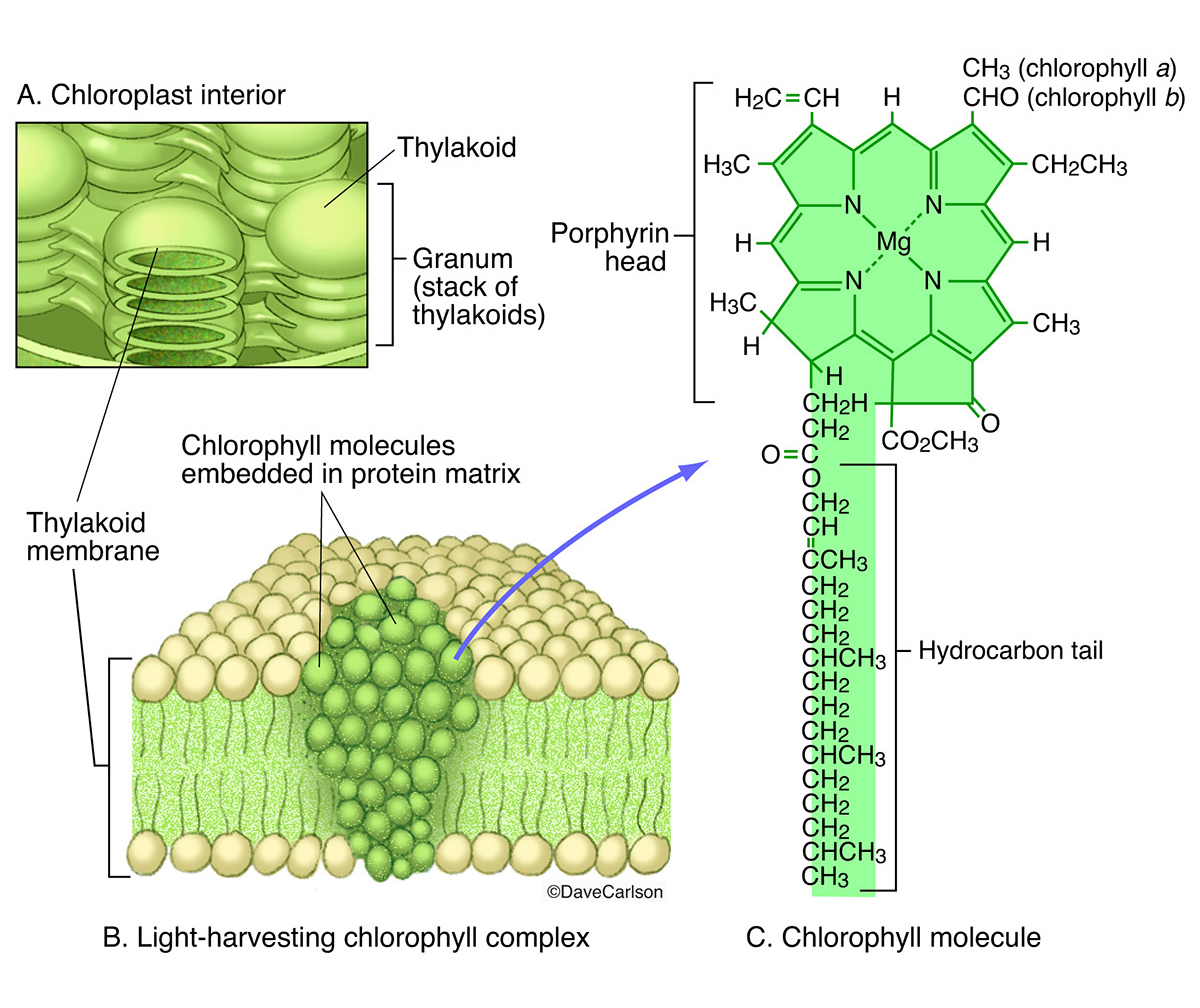
The white or cream-colored patches on the leaves lack chlorophyll. Because chlorophyll is the pigment plants use to convert sunlight into energy, variegated leaves produce less food per square inch than solid green leaves. This biological reality dictates your care strategy: For another look on this story, see the latest update from Reuters.
- Higher Light Requirements: Your tree needs significantly more ambient light to thrive than a standard green ficus.
- Slower Growth Rate: Energy production is reduced, meaning the plant grows at a more measured pace and recovers more slowly from aggressive pruning.
- Sensitivity to Scorch: While needing high light, intense, direct midday sun can burn the delicate white portions of the leaves, causing brown patches.
For authoritative botanical background on the species, you can read more about the genus at the Royal Botanic Gardens, Kew.
Essential Care Requirements
Mastering the core environmental conditions prevents the most common beginner pitfalls, such as sudden leaf drop and root rot.
Light and Placement
Place your tree within three feet of a south- or west-facing window where it receives bright, indirect sunlight for at least six hours a day. North-facing windows rarely provide enough energy for variegated foliage, leading to faded colors and weak branch development. If natural light is lacking, supplement with a high-output LED grow light for 10 to 12 hours daily.
Watering Techniques
Overwatering is the primary cause of bonsai mortality. Before adding water, test the soil moisture with your finger or a wooden chopstick inserted two inches deep. If soil clings to the wood or feels damp, wait.
When watering, soak the container thoroughly until water runs freely through the drainage holes. Never let the pot sit in a saucer of standing water, as stagnant moisture suffocates the roots.
Humidity and Temperature
Originating in tropical zones, this plant thrives in humidity levels above 50 percent. Indoor heating during winter drops household humidity drastically, causing leaf drop. Set the pot on a pebble tray filled with water, ensuring the bottom of the pot stays above the water line, or run a nearby humidifier. Maintain ambient temperatures between 65 and 80 degrees Fahrenheit, and shield the tree from cold drafts, air conditioning vents, and sudden temperature drops.
Soil, Repotting, and Fertilization
A successful bonsai relies on a specialized root environment because standard potting soil holds too much moisture and packs down too tightly.
The Ideal Soil Mix
Standard potting soil suffocates bonsai roots. Mix a custom substrate designed for tropical bonsai using equal parts akadama, pumice, and lava rock. This inorganic blend provides superior drainage while retaining microscopic moisture pockets around fine feeder roots.
When and How to Repot
Young specimens require repotting every two years in early spring before new buds swell. Mature trees can go three to four years between root work.
- Lift the tree gently from its container.
- Comb out the outer root ball to untangle circling roots.
- Prune away up to one third of the root mass, focusing on thick anchor roots while preserving fine hair roots.
- Secure the tree into its fresh bonsai pot using anchoring wire threaded through the drainage holes.
Feeding Schedule
Feed your tree during the active growing season from mid-spring through early autumn. Use a balanced, water-soluble organic fertilizer diluted to half strength every two weeks. Stop fertilizing entirely during the dormant winter months when growth slows down.
Pruning and Shaping
Pruning transforms a standard houseplant into an artistic miniature tree, maintaining proportion and encouraging back-budding.
Maintenance Pruning
As new shoots extend during spring and summer, they produce long stems with oversized leaves. Pinch back new shoots once they develop four to six leaves, leaving two leaves on the stem. This forces the plant to ramify, creating denser branching patterns and smaller leaf sizes over time.
Structural Pruning
Perform major structural cuts in late winter just before spring growth begins. Remove crossing branches, inward-growing shoots, and any branches that block the primary trunk line. Seal large pruning cuts with bonsai wound paste to prevent sap loss and fungal entry.
Wiring Guidelines
Wiring allows you to position branches artistically. Wrap anodized aluminum or annealed copper wire around branches at a 45-degree angle. Check the wires every four to six weeks during the growing season; because ficus trunks and branches expand rapidly, wire can bite into the bark and leave permanent scars if left too long.
Common Problems and Troubleshooting
Even experienced growers encounter challenges with weeping figs. Here is how to diagnose and fix them.
Sudden Leaf Drop
Ficus benjamina drops leaves as a dramatic protest against sudden environmental changes. Moving the tree to a new room, shifting its light levels too fast, or exposing it to a cold draft triggers mass leaf shedding. Identify the recent change, fix it, and leave the tree in a stable location; it will recover and push out new growth once it adjusts.
Pests
Indoor bonsai are vulnerable to pests, particularly spider mites and scale insects. Spider mites thrive in dry indoor air, leaving fine webbing under the leaves. Wipe foliage down with a mild insecticidal soap solution or neem oil spray, repeating every seven days until the infestation clears. For general plant health guidelines, consult resources provided by the Royal Horticultural Society.
Frequently Asked Questions
Why are the variegated leaves turning completely green?
Insufficient light causes leaves to revert. If the plant lacks adequate sunlight, it produces more chlorophyll to compensate, resulting in greener foliage and loss of the white margins. Move the tree to a brighter location.
How often should I water my ficus bonsai?
Watering frequency depends on ambient temperature, humidity, and pot size. Instead of following a strict calendar, check the soil daily and water thoroughly only when the top inch dries out.
Can I keep this bonsai outdoors?
You can move it outdoors during summer once nighttime temperatures consistently stay above 60 degrees Fahrenheit. Introduce it to direct outdoor sun gradually over two weeks to prevent leaf scorch, and bring it back indoors before autumn temperatures drop.
Why is sticky sap dripping from the leaves?
Sticky residue usually indicates a sap-sucking pest infestation, such as scale insects or aphids. Inspect the undersides of leaves and stems closely, then treat the plant with insecticidal soap.