Proteins drive nearly every cellular process in living organisms. Understanding what elements make up proteins reveals how simple chemical building blocks organize into complex biological machines. At their foundation, proteins are polymers constructed from chains of amino acids. These amino acids dictate how a protein folds, interacts with other molecules, and performs its specific cellular duties.
The Core Elemental Quartet
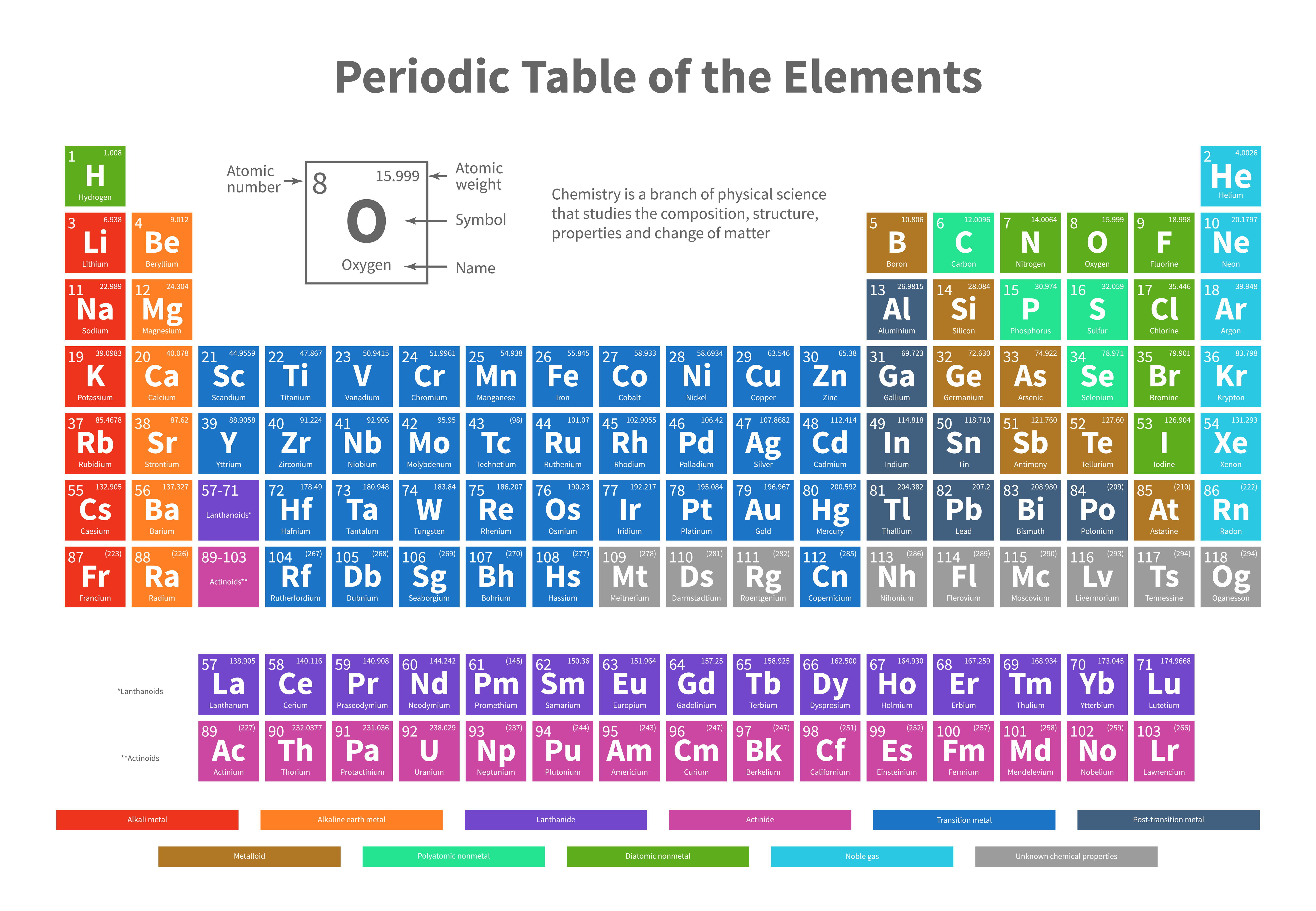
Every standard protein in living cells relies on four primary chemical elements: carbon, hydrogen, oxygen, and nitrogen. Together, these elements make up over 99 percent of a protein's total mass and form the structural backbone of every single amino acid.
Carbon Backbones
Carbon serves as the central framework for all organic molecules, including proteins. Carbon atoms possess a tetravalent nature, meaning they form four stable covalent bonds simultaneously. This capability allows carbon atoms to link together into stable chains, branched structures, and complex rings. Without carbon forming the primary skeletal backbone, the structural diversity required for proteins would be chemically impossible.
Hydrogen and Oxygen Roles
Hydrogen atoms outnumber every other element in a protein structure by a wide margin. They attach along carbon chains and side chains, filling out the atomic volume of the molecule.
Oxygen atoms primarily reside within two functional groups:
- The carboxyl group found on every amino acid backbone.
- Hydroxyl groups present in specific side chains like serine and threonine.
These oxygen atoms actively form hydrogen bonds within the protein chain, directly stabilizing the folded three-dimensional shape required for proper biological function.
Nitrogen as the Differentiating Element
Nitrogen separates proteins from other biological macromolecules like carbohydrates and lipids. Each amino acid contains an amino group featuring a central nitrogen atom bonded to hydrogen. During protein synthesis, this nitrogen atom forms the covalent peptide bond linking adjacent amino acids together into a growing polypeptide chain.
Essential Secondary and Trace Elements
While the core quartet builds the foundational skeleton, secondary and trace elements introduce specialized chemical reactivity that basic organic molecules cannot achieve on their own.
Sulfur and Disulfide Bridges
Sulfur appears in specific amino acids, most notably cysteine. Cysteine molecules contain a thiol group ending with a sulfur atom. When two cysteine residues fold close to one another within a protein structure, they form a covalent bond called a disulfide bridge.
These sulfur-based links act like molecular staples. They lock protein loops into place, providing structural resilience against high temperatures and harsh chemical environments. Extracellular proteins, such as keratin and antibodies, rely heavily on these sulfur cross-links to maintain their integrity.
Metals and Metalloproteins
Many proteins incorporate metal ions to perform advanced catalytic tasks or transport vital molecules. These metallic elements do not form the standard amino acid backbone, but instead coordinate tightly with specific amino acid side chains.
- Iron: This metal sits at the heart of hemoglobin, the protein responsible for oxygen transport in vertebrate blood. Held inside a specialized organic ring structure, the iron atom reversibly binds oxygen in the lungs and releases it in active tissues.
- Zinc: Zinc acts as an essential cofactor for hundreds of enzymes, including those responsible for DNA replication and metabolic regulation. It helps stabilize structural motifs known as zinc fingers, which allow proteins to bind directly to DNA strands.
- Copper: Copper ions facilitate electron transfer reactions, playing a crucial role in cellular respiration within mitochondrial pathways.
The Influence of Aqueous Environments
Proteins do not exist in an atomic vacuum. They fold and function inside a watery cellular interior. While water molecules are not chemically bound into the primary amino acid sequence, water dictates how proteins achieve their final three-dimensional conformation.
The hydrophobic effect drives non-polar amino acid side chains into the interior of the protein, away from surrounding water molecules. Meanwhile, polar and charged side chains remain on the outer surface, interacting directly with the aqueous environment.
This dynamic interplay with water molecules ensures that proteins maintain the flexibility required to bind targets, catalyze reactions, and change shape when signaled.
Frequently Asked Questions
What are the main elements that make up proteins?
Proteins consist primarily of carbon, hydrogen, oxygen, and nitrogen. Sulfur is also a major structural element found in specific amino acids like cysteine, while various trace metals assist with specialized protein functions.
How do elements determine a protein's function?
The specific sequence of amino acids—dictated by an organism's genetic code—determines how the protein folds. This folding is controlled by the chemical properties of the underlying atoms, such as hydrogen bonding and sulfur cross-linking, which create active sites tailored for specific biochemical tasks.
What role does nitrogen play in proteins?
Nitrogen forms the amino group attached to the central carbon of every amino acid. It is an essential component of the peptide bonds that link amino acids together into long, functional chains.
Are metals considered part of a protein?
Metals are not part of the standard 20 amino acid building blocks, but many proteins incorporate metal ions like iron, zinc, or copper as essential cofactors to carry out reactions or transport molecules.