Proteins are large, complex macromolecules built from linear chains of smaller monomers called amino acids. Every protein in your body—from the hemoglobin carrying oxygen in your red blood cells to the actin and myosin fibers enabling muscle contraction—is constructed from a standard toolkit of just 20 amino acids. Understanding what proteins are composed of requires looking past the basic chemical formula to see how atomic bonds, side chains, and four distinct structural tiers dictate biological function.
At the chemical level, every standard amino acid shares a uniform backbone structure. This consists of a central carbon atom, known as the alpha carbon, bonded to four distinct groups: a hydrogen atom, an amino group containing nitrogen and two hydrogens, a carboxyl group containing carbon, oxygen, and hydrogen, and a variable side chain commonly designated as the R-group. While the amino and carboxyl groups remain uniform across all amino acids, the R-group varies drastically in size, electrical charge, and polarity. These unique chemical properties dictate how different parts of a protein interact with water, other amino acids, and surrounding molecules within the cell.
The Role of Amino Acids and Peptide Bonds
Proteins do not form by random accumulation; they assemble through precise cellular instructions encoded in DNA. During translation, ribosomes link individual amino acids together via covalent chemical bonds known as peptide bonds. This linkage forms through a condensation reaction, where the carboxyl group of one amino acid reacts with the amino group of an adjacent amino acid, releasing a single molecule of water in the process.
This continuous chain of covalently linked amino acids forms a polypeptide backbone. The sequence in which these amino acids appear is known as the primary structure of the protein. Even a single substitution in this sequence can alter molecular behavior, as seen in genetic disorders like sickle cell anemia, where a single amino acid change in hemoglobin causes red blood cells to deform.
The Four Levels of Protein Structure
Once a polypeptide chain forms, it folds into a functional three-dimensional shape. Biologists categorize this folding into four distinct levels:
- Primary Structure: The unique, linear sequence of amino acids connected by peptide bonds along the polypeptide chain.
- Secondary Structure: Localized folding patterns stabilized by hydrogen bonds between the backbone atoms. The two most common forms are the alpha-helix, which resembles a coiled spring, and the beta-pleated sheet, which forms folded, accordion-like layers.
- Tertiary Structure: The overall three-dimensional shape of a single protein molecule. This conformation is driven by interactions between amino acid R-groups, including ionic bonds, hydrogen bonds, hydrophobic interactions, and strong disulfide bridges between sulfur atoms.
- Quaternary Structure: The assembly of multiple folded polypeptide chains, known as subunits, into a single functional protein complex. Hemoglobin, for instance, requires four separate subunits to successfully transport oxygen.
If you want to explore the experimental methods researchers use to map these complex conformations, the National Institutes of Health Protein Data Bank offers extensive structural archives of biological macromolecules.
Common Misconceptions About Protein Composition
Many people assume that dietary protein is used directly by human tissues in its consumed form. In reality, your digestive system breaks down dietary proteins into individual amino acids and small dipeptides or tripeptides using enzymes like pepsin and trypsin in the stomach and small intestine. Once absorbed into the bloodstream, your cells reassemble these free amino acids into brand-new human proteins tailored to your specific physiological needs.
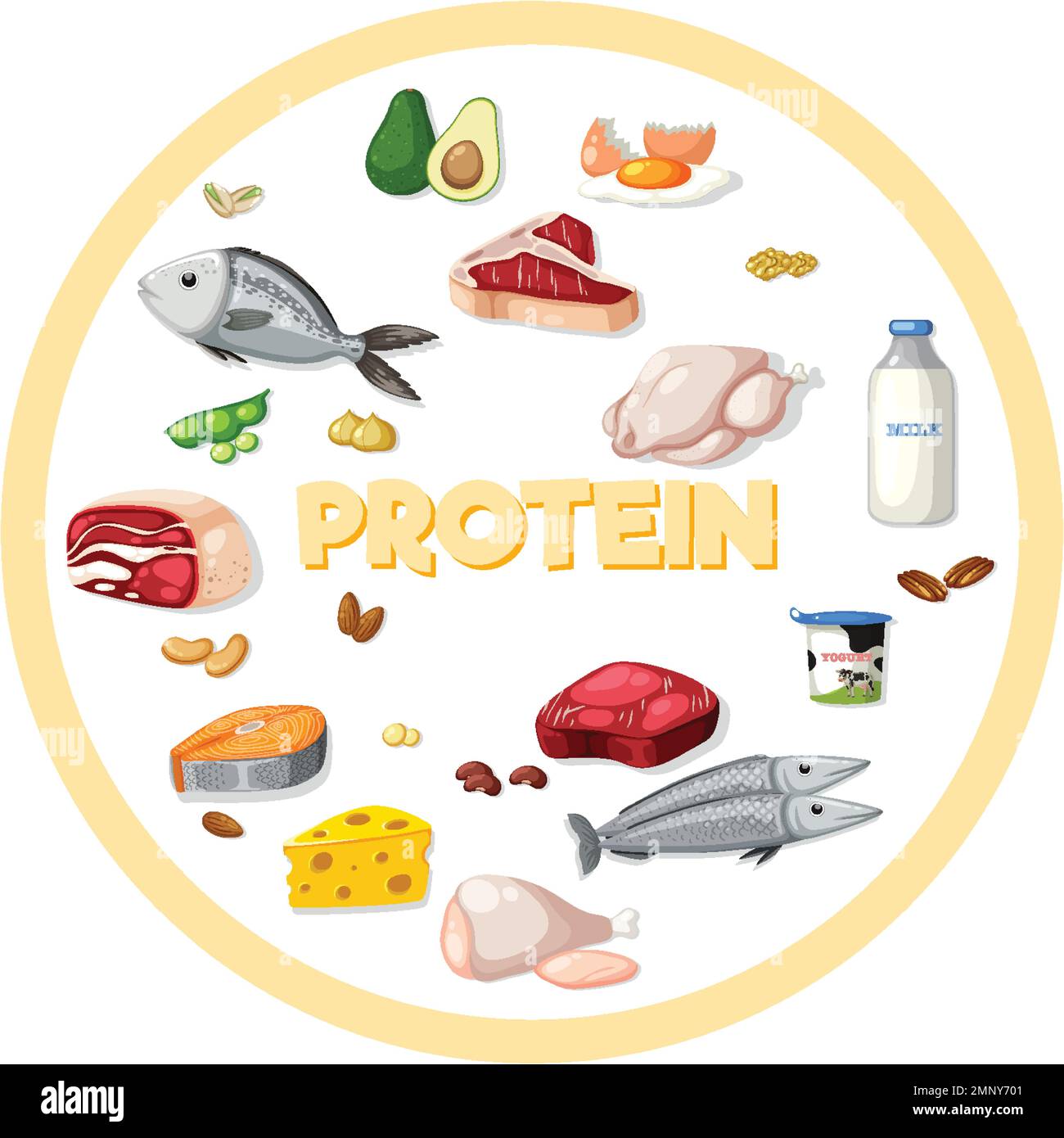
Another frequent point of confusion is the distinction between essential and non-essential amino acids. Out of the 20 standard amino acids, the human body can synthesize 11 on its own. The remaining 9 are classified as essential amino acids because human metabolic pathways cannot manufacture them; you must acquire them directly through diet. Animal sources typically provide complete proteins containing all nine essential amino acids, while most plant sources must be combined to ensure adequate intake of every necessary component. To learn more about daily nutritional requirements and dietary guidelines, consult the U.S. Department of Agriculture Nutrition Guidance.
Frequently Asked Questions
What elements make up the chemical composition of proteins?
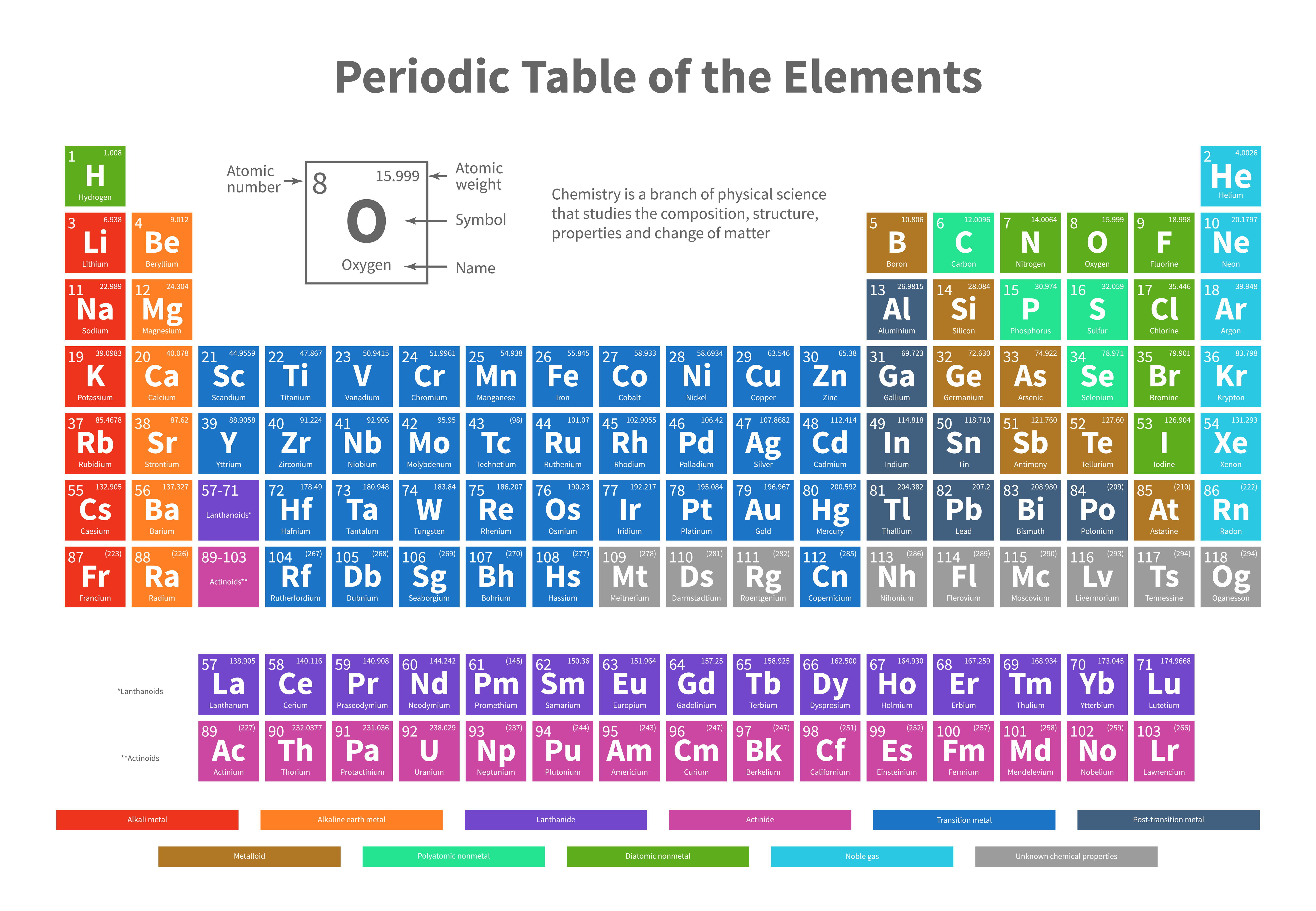
Proteins are composed primarily of five elemental atoms: carbon, hydrogen, oxygen, nitrogen, and sulfur. Many specialized proteins also incorporate trace minerals such as iron, magnesium, or phosphorus as functional cofactors.
How many amino acids are required to form a protein?
While short chains of amino acids are called peptides or polypeptides, a functional protein typically consists of 50 or more amino acids folded into a stable three-dimensional structure. Some structural proteins contain thousands of linked amino acid residues.
What causes a protein to denature?
Denaturation occurs when external stressors like high heat, strong acids, or heavy metals disrupt the hydrogen bonds and non-covalent interactions holding a protein together. This unwinds the tertiary and secondary structures, rendering the protein biologically inactive.
Are all proteins made from the same 20 amino acids?
While 20 standard amino acids are encoded by the standard genetic code across nearly all living organisms, rare non-standard amino acids like selenocysteine and pyrrolysine are incorporated into specific specialized proteins through unique cellular mechanisms.