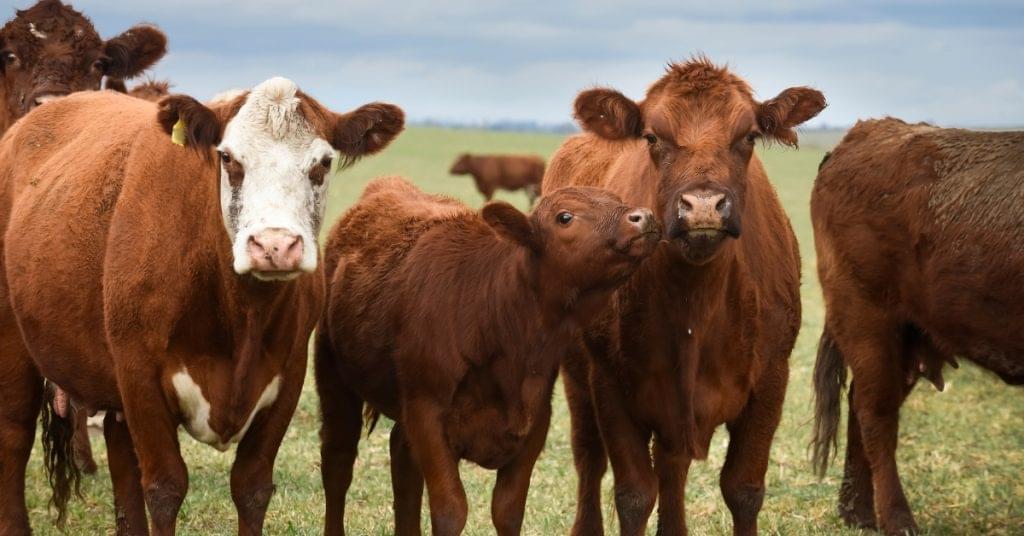
You'll often find cattle prods used on ranches and farms to guide large animals safely through chutes, pens, and transport trailers. These handheld devices deliver a brief electrical charge that encourages movement when animals stall or crowd. While critics view them as harsh, experienced handlers treat them as a backup tool for managing massive livestock without putting human workers in dangerous spots.
Understanding how these devices work requires looking past the myth and examining the actual electrical engineering, animal behavior science, and modern welfare standards. You'll get a clearer picture of how modern ranches operate when you look at the mechanics, types, safety protocols, and regulations surrounding these common agricultural implements.
How Cattle Prods Work
At its core, a cattle prod uses a step-up transformer powered by a battery or direct electrical source to generate high voltage combined with very low amperage. This specific combination creates an unpleasant physical sensation that startles the animal into moving forward, without causing severe tissue damage or lasting trauma.
The voltage pushes the electrical charge through the animal's thick hide and coat, while the restricted amperage keeps the current at a safe level. Think of it like walking across a carpet on a dry winter day and touching a metal doorknob. You experience a sharp, startling jolt of static electricity that makes you pull your hand back instantly. Cattle prods apply a similar principle to prompt forward motion in stubborn animals.
Voltage Versus Amperage
When people hear numbers like 2,000 to 5,000 volts, they naturally assume the device is lethal. However, electrical safety depends entirely on amperage rather than voltage alone.
- Voltage: High voltage is necessary to overcome the natural electrical resistance of bovine skin and thick hair. Without thousands of volts, the current wouldn't even penetrate the surface.
- Amperage: Amperage is kept extremely low, usually measured in fractions of a milliamp. This ensures the shock causes localized muscle contraction and discomfort rather than cardiac arrest or severe burns.
Because the current duration is usually a fraction of a second, the animal feels a sudden muscle twitch and a startling sensation. It's designed to break a stall or pivot point, not to inflict prolonged suffering.
Main Types of Cattle Prods
Livestock operations vary in size, and different environments require different equipment. Handlers choose among several distinct styles based on their daily routine and facility layout.
Battery-Powered Handheld Units
Battery-powered models are the workhorses of pasture work and sorting pens. They typically run on standard alkaline batteries or a small rechargeable battery pack. A push-button switch activates the circuit only when the handler presses the probe tips against the animal. These units offer portability, allowing ranch hands to carry them easily on horseback or on foot without dragging cords.
Rechargeable Electronic Prods
Large feedlots and auction yards rely heavily on rechargeable lithium-ion prods. Because workers use them continuously throughout the day, rechargeable models save money on disposable batteries and provide consistent power output. They often feature an automatic shut-off safety feature that cuts power if the button stays depressed for more than a couple of seconds, preventing accidental overuse.
Fixed and Extension Prods
Some prods come attached to rigid shafts measuring anywhere from two to six feet long. These extension poles keep the handler at a safe distance from a kicking or thrashing animal. Solid fiberglass or heavy-duty plastic shafts ensure the handler doesn't accidentally conduct electricity back to their own hands, even if manure or rain wets the equipment.
Safe Handling and Animal Welfare
A cattle prod is a tool of last resort on well-managed farms. Experienced stockmen rely first on animal psychology, low-stress handling facilities, and body positioning.
Cattle have a natural balance point near their shoulder blade, known as the point of balance. Stepping in front of this point makes an animal back up, while stepping behind it drives them forward. Handlers use flags, panels, and voice commands before ever reaching for an electric prod.
When a prod is necessary, proper technique matters immensely:
- Target Areas Only: Apply the tip strictly to thick-skinned areas like the hip or rear quarters. Never use a prod near the head, udder, flanks, or genitals.
- Brief Contact: Touch the animal for a fraction of a second just to initiate movement, then remove the contact immediately. Continuous shocking causes panic, and panicked cattle bunch up, injure themselves, and refuse to move.
- Clear Paths: Ensure the animal has an open, visible path to walk toward before applying any stimulus. Trapped livestock will fight or trample fences if they have nowhere to go.
Handler Safety and Risks
Working around two-thousand-pound animals carries inherent dangers. A cow can easily crush a handler against a metal gate or deliver a lethal kick. Prods help maintain a safe working distance, but they introduce their own safety hazards if mishandled.
Operators must wear rubber-soled boots and keep their hands dry. Wet concrete floors in milking parlors or loading chutes conduct electricity easily, and slipping while holding an active prod can result in an accidental self-shock. Furthermore, rushing livestock with a prod in a tight alleyway often backfires, causing the animals to rear up or break through wooden fencing.
Regulatory bodies and agricultural extension services—such as those provided by agencies like the USDA Agricultural Research Service—emphasize proper stockmanship training to minimize both animal stress and worker injury. Modern animal welfare audits penalize operations that rely on excessive prodding, pushing ranches to invest in better-designed curved alley chutes and solid-sided handling systems that encourage natural movement without electricity.
Frequently Asked Questions
Do cattle prods cause permanent physical damage?
When used correctly for brief moments on appropriate muscle groups, they do not cause lasting physical injury or tissue burns. However, improper use, such as prolonged contact or repeated shocking of a trapped animal, causes severe stress, bruising, and muscle exhaustion.
Why do some farms ban cattle prods entirely?
Many progressive slaughterhouses and organic dairy certification programs prohibit electric prods to reduce animal stress hormones, which can negatively affect meat quality. These facilities rely instead on sorting flags, paddles with plastic streamers, and smart facility design.
Can a cattle prod seriously injure a human?
A standard agricultural livestock prod is uncomfortable and painful for a human, but it generally won't cause fatal injury to a healthy adult because of the extremely low amperage. However, the sudden shock can cause someone to lose their balance, fall off a platform, or drop a gate latch, leading to secondary injuries.
Are there alternatives to electric prods?
Yes. Livestock handlers frequently use sorting paddles, rattle paddles containing plastic beads, canvas slappers, and bright vinyl flags. These tools create visual and auditory cues that guide cattle effectively without relying on electrical current.