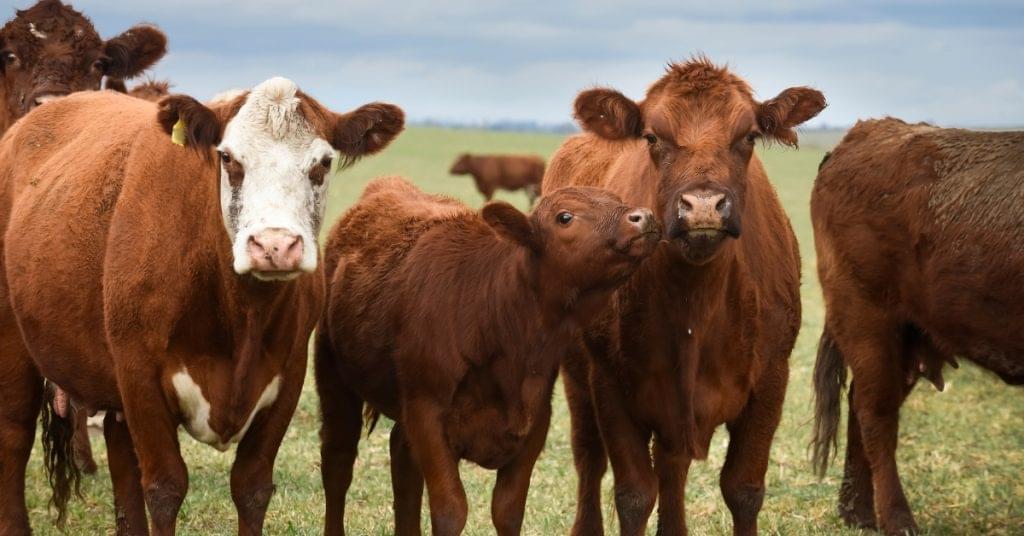
Choosing the right meat goat breed determines your herd's hardiness, growth rates, and profitability. When evaluating Boer vs Red Kalahari goats, you're looking at two premier South African breeds engineered for arid conditions, yet distinct in physical build, coat coloration, and management needs. Boer goats stand out for rapid muscle mass and high weaning weights, while Red Kalahari goats excel in intense heat tolerance, unassisted kidding, and self-sufficiency on sparse brush.
Both breeds share a common heritage in Southern Africa, developed to thrive under demanding pastoral conditions. However, understanding their subtle physiological differences helps you match the right genetics to your local climate, forage availability, and labor capacity.
Origins and Development
Both the Boer goat and the Red Kalahari goat trace their roots to South Africa, where indigenous herding traditions shaped hardy livestock capable of surviving punishing droughts and extreme temperatures.
The Boer goat was selectively bred in the early 20th century by farmers in the Eastern Cape region. Breeders crossed indigenous long-eared African goats with European and Indian breeds to create a heavy-framed animal optimized exclusively for meat production. The name originates from the Dutch word boer, meaning farmer. Formal breed standards were established in 1959 with the formation of the Boer Goat Breeders' Association of South Africa, making it one of the most standardized meat goat breeds globally.
The Red Kalahari goat—often called the Kalahari Red—was developed later in the arid Kalahari Desert region overlapping South Africa, Botswana, and Namibia. Breeders selected for solid red pigmentation, which provides natural camouflage against predators and superior protection against intense solar radiation. Unlike the strictly managed ancestry of traditional Boer stock, Kalahari Reds incorporated indigenous red goats hardened by harsh desert survival pressures, prioritizing functional traits like strong mothering instincts and parasite resistance over sheer blocky conformation.
Physical Characteristics and Conformation
Visual appraisal reveals clear distinctions in build, color pattern, and overall skeletal structure between the two breeds.
Boer goats feature a distinct white body paired with a characteristic red head and ears, sometimes featuring a white blaze down the face. They possess a heavy, muscular frame, broad heads, Roman noses, and pendulous ears. Mature bucks weigh between 240 and 300 pounds, while does typically range from 200 to 225 pounds. Their deep chests, wide backs, and heavy hams reflect intense selection for heavy carcass yield.
Red Kalahari goats feature a uniform, solid red coat ranging from light tan to deep mahogany. This solid pigmentation protects them from sunburn and skin cancers in open, treeless pastures. They possess a slightly lighter bone structure than Boers, with longer legs suited for extensive walking in search of sparse forage. Mature bucks weigh around 250 pounds, while does average 160 to 190 pounds. Their heads are clean-cut with alert ears, and their overall stance is agile and athletic.
Growth Rates and Meat Production
When evaluating carcass merit, both breeds deliver exceptional results, but they follow different growth trajectories and feed conversion efficiencies.
Boer goats are the undisputed industry standard for terminal meat production. Their high feed-to-meat conversion ratio allows kids to gain weight rapidly, often reaching market weight faster than other breeds when fed high-quality forage or grain supplements. Because of their heavy muscling and blocky frames, a Boer carcass yields a high proportion of high-value cuts like loin and leg. According to the American Boer Goat Association, structural correctness and rapid growth are primary selection indices for commercial crossbreeding.
Red Kalahari goats grow at a slightly moderate pace compared to purebred Boers, but they excel in grass-fed and extensive pasture systems. While their ultimate carcass weight is lower, their meat-to-bone ratio remains favorable, and the meat is prized for its lean texture and mild flavor. Many commercial producers cross Kalahari bucks with Boer does to combine the rapid growth of the Boer with the environmental resilience and foraging stamina of the Kalahari.
Hardiness, Climate Adaptation, and Foraging
Livestock management costs drop significantly when animals handle local weather extremes without intensive intervention.
Red Kalahari goats are exceptionally well-adapted to extreme heat, drought, and extensive grazing conditions. Their solid red skin contains high levels of melanin, protecting them from sunburn during cloudless summer days. Their longer legs and mobile upper lips allow them to cover vast distances and browse on thorny shrubs, acacia pods, and coarse grasses that other breeds ignore. Furthermore, they display high natural resistance to internal parasites and foot rot compared to heavy lowland breeds.
Boer goats handle diverse climates well, but they require better pasture management and shelter during prolonged wet or freezing conditions. Their white bodies reflect some heat, but their pink skin under white hair is susceptible to sunburn if unshaded. Boers are less inclined to travel long distances for feed, preferring to graze systematically. They demand higher nutritional inputs to maintain their heavy body mass, making them better suited for rotational grazing on improved pastures rather than harsh, rocky rangelands.
Reproduction and Maternal Instincts
Profitable goat production relies on strong kidding rates, high milk production, and attentive mothering abilities.
Red Kalahari does are renowned for exceptional maternal instincts and unassisted kidding. Because of their feral desert ancestry, they frequently kid out on pasture without human intervention, fiercely protecting their kids from predators. They possess high fertility rates, often producing twins or triplets, and produce rich milk that fuels vigorous early growth. Their pelvic structure minimizes dystocia (kidding difficulties), reducing veterinary intervention overhead.
Boer does are also excellent mothers with high milk yields, but intensive selective breeding for extreme muscling has occasionally introduced conformational challenges, such as narrower pelvic openings in hyper-typed show stock. Commercial Boer does kid reliably every eight months under good management, but high-end stud animals may require closer monitoring during parturition.
Common Mistakes in Breed Selection
- Choosing based on appearance over environment: Buying purebred Boer goats for rocky, arid rangelands with sparse brush often leads to poor performance and high supplementary feed costs. Match the breed to your forage availability.
- Ignoring parasite resistance: Assuming all meat goats share equal hardiness. Kalahari Reds generally tolerate internal parasites better in humid environments than heavily selected European-derived lines.
- Overlooking crossbreeding potential: Treating the choice as an exclusive either/or decision. Commercial producers often achieve optimal hybrid vigor by using Red Kalahari bucks on Boer-cross does.
- Neglecting shade and shelter requirements: Failing to provide adequate tree cover or run-in sheds for light-skinned Boer goats, leading to sunburn and heat stress.
Frequently Asked Questions
Which breed is better for meat production?
Boer goats provide superior growth rates and heavier carcass weights, making them the primary choice for intensive terminal meat production. Kalahari Reds offer efficient meat production in extensive, low-input pasture systems.
Can Boer and Red Kalahari goats be grazed together?
Yes. Both breeds graze harmoniously, though Kalahari Reds may range further across pastures while Boers tend to stay closer to water and supplemental feeding stations.
How do Kalahari Reds handle cold weather?
While they thrive in hot, dry climates, Kalahari Reds grow a dense winter undercoat if exposed to seasonal temperature drops, allowing them to tolerate moderate frost and cold winds provided they have dry bedding and shelter.
What is the advantage of crossing Boer and Red Kalahari goats?
Crossbreeding combines the fast growth and heavy muscling of the Boer with the superior heat tolerance, parasite resistance, and foraging stamina of the Kalahari Red, producing hardy commercial offspring.