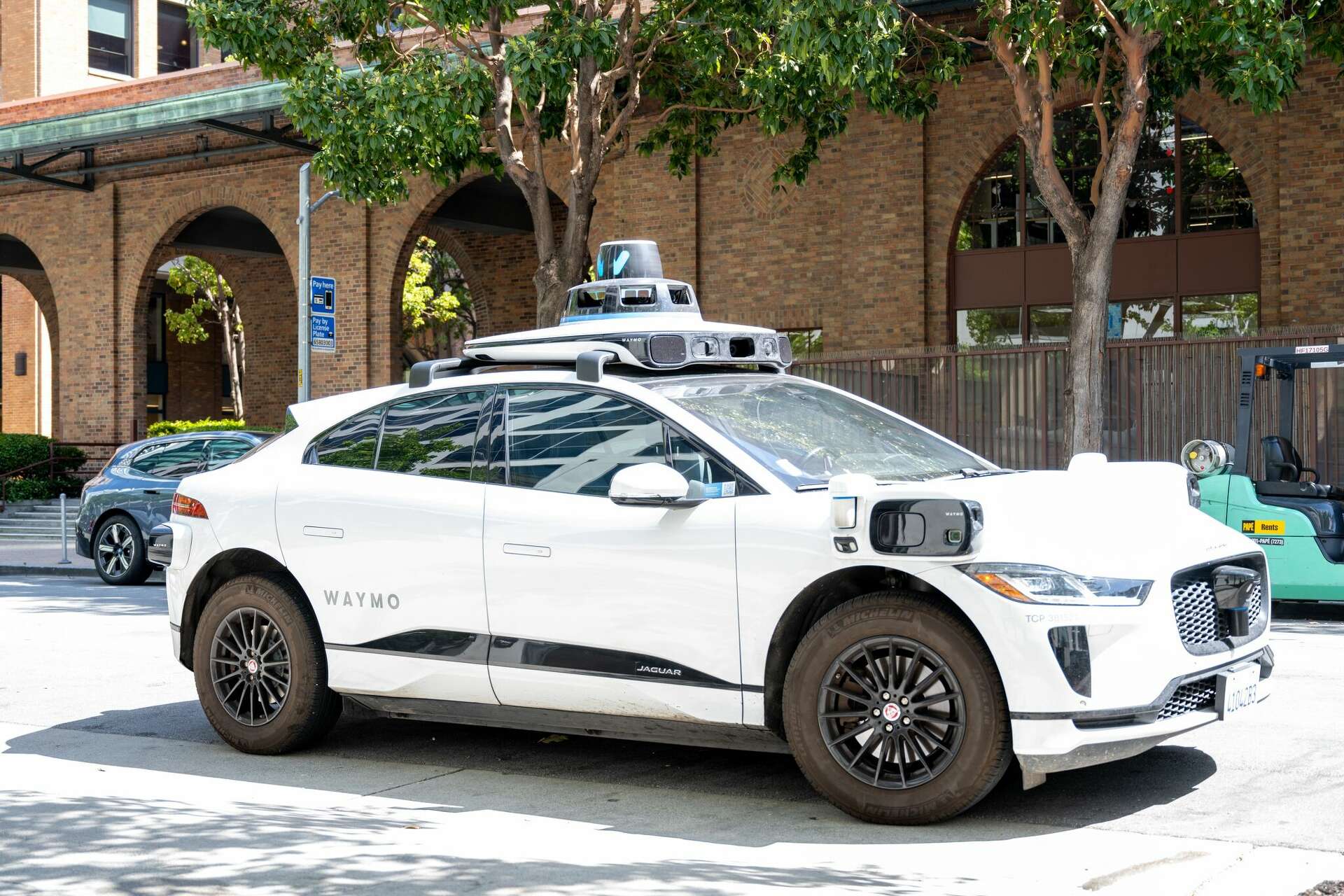
Right now, you cannot walk into a dealership or visit a website to buy a Waymo car for personal ownership. Waymo operates strictly as a commercial robotaxi service, meaning their custom-equipped Jaguar I-Pace and Zeekr vehicles belong entirely to their corporate fleet. You can ride in one using their mobile app, but you can't park one in your driveway.
This restriction isn't just about corporate greed or keeping cool tech to themselves. The reality behind autonomous vehicle sales involves staggering hardware costs, intense liability hurdles, and strict geographic software limits. Understanding why you can't buy one requires looking closely at how these vehicles function and what it would actually take to own an autonomous machine today.
Why Waymo Retains Total Fleet Control
Waymo's business model relies on ridesharing and transportation-as-a-service rather than individual vehicle sales. By keeping the cars in-house, they retain full control over maintenance, safety interventions, and software updates.
Each vehicle is packed with expensive proprietary hardware, including custom LiDAR arrays, specialized radar units, and multiple high-resolution cameras. If Waymo sold these cars directly to consumers today, the sticker price would easily clear six figures, putting them out of reach for the average buyer. More importantly, keeping the fleet centralized allows engineers to monitor sensor health and run remote diagnostics constantly.
The Technical Barriers of Private Ownership
If an individual somehow managed to acquire a retired or surplus Waymo vehicle, they wouldn't have a functional self-driving car. The magic of a Waymo isn't just the physical chassis; it's the Waymo Driver software stack.
- Geofencing Restrictions: The software only operates within heavily mapped, pre-approved urban perimeters. Take the car outside those specific boundary lines, and the autonomous system disengages.
- Remote Support Dependency: Waymo vehicles rely on remote fleet response centers to help them navigate complex construction zones, blocked lanes, or unexpected road hazards. A private owner wouldn't have access to this backstage support network.
- Maintenance Complexity: Standard mechanics cannot service the specialized sensor suites protruding from the roof and body panels. Calibration requires millimeter-level precision that only specialized facilities can provide.
Hardware Costs and the Economics of Autonomy
Building a robotaxi requires a completely different financial calculation than building a consumer car. A standard consumer vehicle sits parked about 95 percent of the time, losing value in a garage or driveway.
Waymo's fleet vehicles operate around the clock, spreading out the high initial manufacturing and sensor costs across dozens of paid rides every single day. If you bought one for personal use, the return on investment math completely breaks down. You'd be paying an exorbitant premium for advanced automation hardware that mostly sits idle while you sleep or work.
The Future of Autonomous Car Ownership
While direct consumer sales aren't happening today, the automotive landscape is shifting. Waymo has pursued strategic partnerships with traditional legacy automakers to explore how autonomous driving systems can be integrated directly into consumer-bound platforms down the road.
Instead of buying a "Waymo car," future consumers will likely buy standard vehicles from major brands equipped with licensable autonomous software packages. These future systems will operate similarly to advanced driver-assistance features, expanding outward as mapping technology and regulatory frameworks mature. Until then, your only interaction with these vehicles will happen through the passenger seat of a ride-hailing app.
Frequently Asked Questions
Can I buy a used Waymo car if they retire it?
When Waymo retires older vehicle generations, they typically decommission or recycle them rather than selling them on the open market. This policy protects their proprietary sensor technology and prevents liability issues from unauthorized modifications.
Do Waymo cars have steering wheels?
Most current commercial Waymo vehicles retain traditional steering wheels and pedals as a legacy of their donor platforms, though they operate completely without human driver intervention during standard rides.
Will Tesla's approach make personal self-driving cars available sooner?
Tesla relies on a camera-only vision approach and sells driver-assistance software directly to consumers, which differs fundamentally from Waymo's geofenced, heavy-sensor robotaxi model. However, true unsupervised autonomy for private consumer cars faces similar regulatory and liability hurdles across the board.
Can I rent a Waymo for a road trip?
No. Waymo operations are strictly restricted to designated service areas within specific metropolitan regions. You cannot take a robotaxi outside its approved geographic boundary, let alone take it on an interstate road trip.