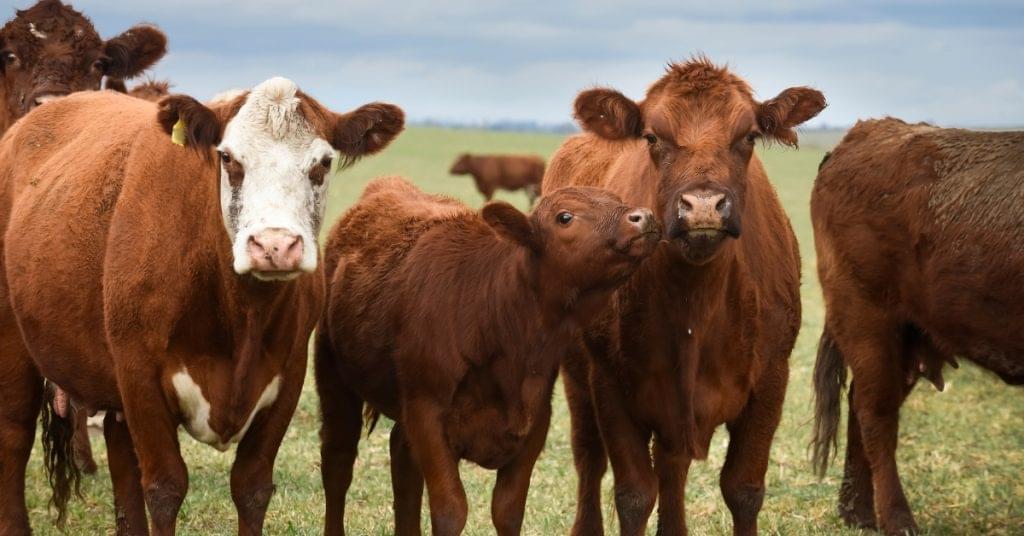
Raising premium beef cattle isn't just about turning livestock out onto a green pasture and hoping for the best. Modern cattle breeding relies on a precise mix of genetics, environmental adaptation, and inheritance patterns to produce top-tier carcasses. If you're looking to understand what makes superior livestock—such as elite Black Angus herds—you need to look at how DNA, herd management, and epigenetics interact from birth to finishing.
When we examine high-performance cattle lines, the goal is consistent marbling, structural soundness, and efficient feed conversion. Achieving this requires intentional breeding strategies that isolate desirable traits while minimizing genetic defects. Let's break down how modern producers combine genomic data with environmental management to optimize herd performance.
The Foundation of Bovine Genetics
Every high-value animal starts with its genomic blueprint. Expected Progeny Differences, commonly known as EPDs, form the bedrock of modern cattle selection. Instead of guessing how a bull or cow will perform based on physical appearance alone, breeders use EPDs to predict the genetic merit of future offspring.
Genomic testing allows producers to look directly at DNA markers associated with specific traits before investing time and money into a calf. Key traits tracked through genomic selection include:
- Carcass Merit: Predicting ribeye area, fat thickness, and intramuscular fat distribution (marbling).
- Growth Efficiency: Measuring weaning weight, yearling weight, and dry matter intake to find cattle that gain weight efficiently.
- Maternal Traits: Evaluating heifer pregnancy rates, calving ease, and milk production to sustain long-term herd productivity.
By utilizing these tools, you can stack favorable alleles across generations. This process moves cattle breeding away from trial and error toward predictable, high-yield production.
Environmental Adaptation and Phenotype Expression
Genetics load the gun, but the environment pulls the trigger. An animal with elite genetic potential will underperform if its environment induces chronic stress or nutritional deficits. Phenotype—the observable trait—is always a product of genotype interacting with environment.
Producers must calibrate their management styles to match the specific demands of their regional climate and forage availability. Heat stress, for example, reduces feed intake and lowers conception rates in European beef breeds. Selecting cattle with slick hair coats and higher heat tolerance protects profitability in southern pastures without sacrificing carcass quality.
Nutrition also dictates how well genetic potential translates into muscle and fat. Forage quality fluctuates across seasons, requiring supplemental feeding programs during critical windows like late gestation and early lactation. When you balance nutritional input with genetic capability, cattle reach their target finish weights faster and with higher grading percentages.
Inheritance Patterns and Trait Fixation
Understanding how traits pass from parents to offspring dictates the success of any breeding program. Some economically important traits have high heritability, while others are heavily influenced by environmental factors.
Traits with high heritability, such as ribeye area and mature size, respond rapidly to direct selection. If you mate high-ribeye parents, you'll see measurable improvements in the next generation. Conversely, reproductive traits like calving interval and fertility have low heritability. Improving these requires comprehensive herd health management and systematic culling rather than simple single-trait breeding.
Inbreeding depression is another major consideration. While linebreeding helps fix desirable traits, excessive concentration of the same bloodlines increases the risk of recessive genetic disorders, such as developmental duplications or arthrogryposis multiplex. Commercial producers often rely on strategic crossbreeding or heterosis—hybrid vigor—to boost hardiness, fertility, and survival rates in their commercial cow-calf operations.
Practical Steps for Herd Improvement
If you manage a herd and want to elevate your beef quality, a structured approach yields the best results. Random bull selection drains profitability through slow growth rates and inconsistent carcass grades.
- Audit Your Herd Data: Review past calving records, weaning weights, and packing plant feedback sheets to identify performance gaps.
- Invest in Proven Sires: Purchase replacement bulls with high-accuracy EPD profiles that specifically address your herd's weak points, such as calving ease or marbling.
- Implement Genomic Testing: Run DNA panels on replacement heifers to identify top-tier females early and cull low-performing animals before investing feed costs into them.
- Monitor Forage and Body Condition: Keep brood cows at an optimal body condition score of 5 or 6 to maximize reproductive efficiency and colostrum quality.
For a deeper dive into cattle performance metrics and breed standards, you can consult resources from the American Angus Association or guidelines provided by the USDA Agricultural Research Service.
Frequently Asked Questions
What is the difference between EPDs and genomic testing?
EPDs combine an animal's own performance, pedigree information, and progeny data to predict genetic merit. Genomic testing analyzes an animal's DNA directly to enhance the accuracy of those predictions, especially in young animals with no offspring yet.
How does marbling develop in beef cattle?
Marbling is the accumulation of intramuscular fat. It is heavily influenced by genetics, but nutrition during the post-weaning and finishing phases determines how effectively that genetic potential is expressed.
Why is heterosis important in commercial beef herds?
Heterosis, or hybrid vigor, occurs when crossbred animals outperform the average of their purebred parents. It typically improves traits related to fertility, survivability, and overall vitality, which directly lowers production costs.
How do environmental factors affect birth weights?
Extreme cold stress during late gestation can increase birth weights as cows mobilize energy reserves, while maternal heat stress can result in lower birth weights. Proper winter nutrition management helps prevent dystocia issues caused by oversized calves.